

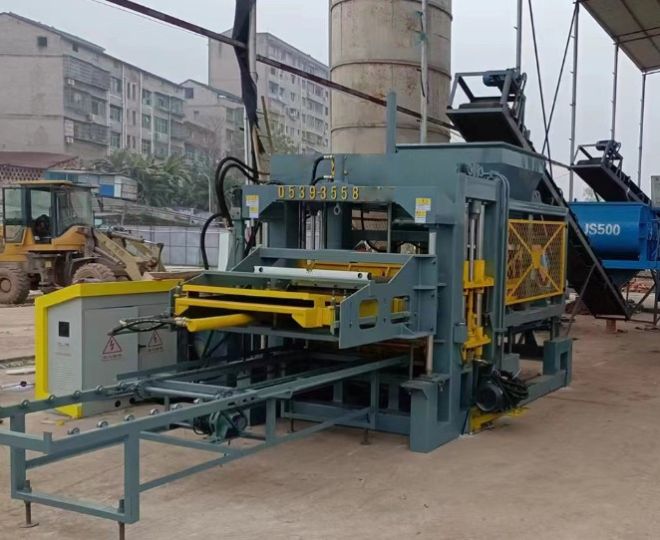
Your brick machine squeaks, rattles, and takes coffee breaks more often than your staff, turning simple jobs into epic sagas of downtime, repairs, and creative cursing on the factory floor.
Follow basic maintenance steps—cleaning, lubrication, inspections—to boost lifespan and cut breakdowns, as supported by OSHA’s equipment maintenance guidance.
🧰 Regular Cleaning Routines to Prevent Dust Buildup and Component Wear
Clean brick machines often to stop dust, mud, and cement from wearing parts. A simple daily routine keeps output stable and reduces breakdowns.
Regular care also protects your investment in lines like the QT3-20 block machine factory concrete block plant for sale and similar equipment.
1. Daily Surface and Work Area Cleaning
Remove loose sand, cement, and broken bricks from hoppers, belts, and molds at the end of each shift.
- Use air blowers or soft brushes
- Avoid high‑pressure water near electrics
- Keep the floor dry to prevent rust
2. Mold Cleaning to Protect Block Quality
Clean molds after each production run to keep edges sharp and block size accurate.
- Scrape stuck mortar gently with plastic tools
- Check vents and corners for buildup
- Apply light anti‑rust spray if idle
3. Conveyor, Hopper, and Mixer Cleaning
Focus on parts that move material, as buildup here quickly reduces capacity and causes jams.
| Part | Action | Frequency |
|---|---|---|
| Conveyor belt | Clean rollers and underside | Daily |
| Hopper | Remove caked mix | Daily |
| Mixer | Wash before hardening | Every batch |
4. Electrical Cabinet and Sensor Care
Keep dust out of control boxes and off sensors to avoid false signals and sudden stops.
- Wipe sensor lenses with a dry cloth
- Seal cabinet doors firmly
- Vacuum, do not blow, inside cabinets
🛠 Lubrication Guidelines for Moving Parts to Reduce Friction and Damage
Good lubrication lowers wear, saves energy, and keeps your brick machine running smoothly. Always follow the maker’s lube chart and use clean products.
Proper oiling supports long‑term performance of lines like the QT4-25C QTJ4-25 automatic block machine fully automatic block making machine price and similar models.
1. Set a Clear Lubrication Schedule
Plan fixed times for greasing bearings, chains, and guide rails to stop metal‑to‑metal contact.
- Daily: mold guides, vibration bearings
- Weekly: chains, sprockets, rollers
- Monthly: gearbox oil checks
2. Use the Right Grease and Oil
Choose grease grade and oil type based on speed, load, and local temperature.
| Part | Suggested Lube |
|---|---|
| Bearings | High‑temp lithium grease |
| Chains | Medium‑viscosity chain oil |
| Gearbox | Gear oil (per manual) |
3. Keep Lubrication Points Clean
Dirty grease causes fast wear. Clean nipples and ports before adding fresh lubricant.
- Wipe fittings before greasing
- Use dedicated grease guns
- Label lubricants to avoid mix‑ups
4. Monitor Lubrication Performance with Data
Track lube frequency and part life to adjust intervals and avoid over‑ or under‑lubrication.
🔍 Daily Inspection Checklist for Early Detection of Mechanical Problems
Short daily checks help you find loose bolts, leaks, and noise changes before they stop production.
Train operators to record issues and report them early for fast repair.
1. Visual and Safety Checks
Walk around the machine before starting to confirm safe and normal conditions.
- Check guards and covers
- Look for oil or water leaks
- Confirm emergency stops work
2. Mechanical and Vibration Checks
Listen for new sounds and watch for shaking while the machine runs.
| Item | Check |
|---|---|
| Bolts | Tight and not missing |
| Belts | Correct tension, no cracks |
| Vibration unit | Stable, no harsh noise |
3. Hydraulic and Electrical Checks
Confirm pressure, temperature, and signals stay inside the allowed range during work.
- Check oil level and color
- Watch pressure gauges
- Confirm sensors read correctly
🌡 Proper Operating Temperatures and Workloads to Avoid Overstress and Failures
Running at correct temperature and load prevents cracks, leaks, and fast wear on critical parts.
Control both the mix and the duty cycle to keep the line stable.
1. Monitor Hydraulic and Motor Temperatures
Watch oil and motor heat, especially in hot climates or during long shifts.
- Install clear temperature gauges
- Keep fans and coolers clean
- Stop and cool if limits are passed
2. Control Production Load and Cycle Time
Do not overload the machine with too many blocks per cycle or very wet or very dry mixes.
| Factor | Impact |
|---|---|
| Overload | High stress and heat |
| Balanced load | Stable speed and life |
3. Plan Rest Periods and Shift Patterns
Use short breaks to reduce heat buildup during peak production days.
- Schedule cooling pauses
- Rotate operators to avoid errors
- Log overload alarms
🏭 Choosing Reliable Replacement Parts, Preferably from Aichen, for Long-Term Performance
High‑quality parts cut downtime and match factory specs, especially for key wear parts like molds and hydraulic components.
Using trusted brands like Aichen supports stable quality and long machine life.
1. Match Parts to Your Exact Model
Always confirm size, material, and fit before buying; wrong parts can damage nearby components.
- Use the machine serial number
- Check drawings and manuals
- Keep a record of past parts
2. Prioritize Critical Wear Components
Stock spare molds, vibration bearings, and seals to avoid long stops during busy seasons.
| Part | Stock Level |
|---|---|
| Mold sets | 1–2 extra sets |
| Seals and hoses | Basic kit |
| Bearings | Key sizes in stock |
3. Buy from Trusted Suppliers and Systems
Combine strong parts with proven machines like the QT4-25C automatic block moulding machine hydraulic block making machine price to keep your plant reliable.
- Choose branded hydraulics and electrics
- Ask for warranty and support
- Check reviews and project cases
Conclusion
Good cleaning, smart lubrication, and simple daily checks greatly extend brick machine life and reduce unplanned stops.
Control heat and load, choose quality Aichen parts, and your plant will deliver steady, high‑quality blocks for many years.
Frequently Asked Questions about brick machine
1. How often should I lubricate my brick machine?
Follow the maker’s chart, but most plants grease key bearings daily, chains weekly, and check gearbox oil at least once every month.
2. When should I replace brick machine molds?
Replace molds when block size drifts, edges look rounded, or you see cracks or heavy wear on the mold cavity surfaces.
3. What causes most unexpected brick machine breakdowns?
Common causes are poor cleaning, lack of lubrication, running at overload, and ignoring early signs like leaks, noise changes, or vibration.


