

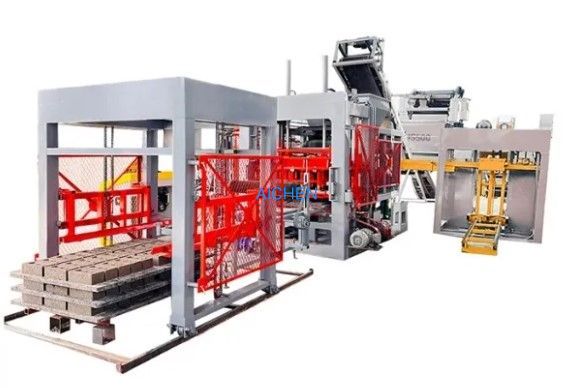
Your brick machine groans, squeaks, and throws tantrums like it’s auditioning for a drama show, while you just want it to quietly spit out perfect bricks instead of surprise repair bills.
Regular cleaning, lubrication, and inspections prevent breakdowns and keep output stable, as shown in a machinery maintenance report from OSHA.
🧰 Daily Cleaning Routines to Prevent Dust Buildup and Component Wear
Daily cleaning keeps brick machines stable, reduces breakdowns, and slows wear on molds, belts, and bearings. Clean machines also help keep block size and quality consistent.
Focus on dust, cement paste, and loose debris around the feeding, molding, and hydraulic zones. These areas clog first and can quickly raise repair costs if ignored.
1. Clear Surface Dust and Debris
Use soft brushes and low-pressure air to remove dust from panels, motors, and wiring. Avoid high-pressure water near electrical boxes to prevent short circuits and rust.
- Brush control panels and sensors
- Blow dust off motors and fans
- Sweep under conveyors and hoppers
2. Clean the Molding Area
Scrape off stuck cement from molds and vibration tables after each shift. This keeps block size accurate and protects mold corners from early damage.
| Task | Frequency |
|---|---|
| Scrape mold surfaces | Every shift |
| Check mold cavity edges | Daily |
| Wipe vibration table | Daily |
3. Keep Conveyors and Hoppers Unblocked
Remove spilled aggregate and cement from belts, rollers, and hoppers. Clean material sensors so they read levels correctly and avoid mix errors.
- Check belts for stuck stones
- Clean rollers and guides
- Brush level sensors and covers
4. Protect Electrical and Hydraulic Zones
Wipe cabinets and hydraulic units with dry cloths. Make sure ventilation slots stay open so cooling air can flow and parts do not overheat.
- Vacuum cabinet filters
- Inspect cable inlets for dust
- Clean around hydraulic tank vents
⚙️ Lubrication Schedules for Moving Parts to Reduce Friction and Damage
Correct lubrication lowers friction, noise, and energy use. It also keeps bearings, chains, and guides from failing early during heavy block production cycles.
Always follow the maker’s manual and use the same grease grades on units like the QT3-20 hollow block plant concrete block plant for sale to keep performance stable.
1. Set Weekly and Monthly Grease Points
List all bearings, chain drives, and sliding guides with clear service times. Mark each point with a tag so workers do not miss any spot.
| Component | Interval | Lubricant |
|---|---|---|
| Conveyor bearings | Weekly | Multi-purpose grease |
| Chain drives | Every 3 days | Chain oil |
| Guide columns | Weekly | Slideway oil |
2. Monitor Grease Consumption with Simple Data
Track how much grease you use each month. Abnormal use can point to hidden damage or poor sealing on key parts like mold lifting guides.
3. Avoid Over-Lubrication and Contamination
Too much grease attracts dust and forms abrasive paste. Wipe excess and always clean grease nipples before you connect the grease gun.
- Use clean rags only
- Store grease in closed containers
- Label guns for each grease grade
4. Special Care for High-Load Parts
Use high-pressure grease on vibration bearings and mold guides on systems like the QT3-20 smart block machine cement block maker machine to handle shock loads.
- Grease vibration units more often
- Check for heat after running
- Replace seals if grease leaks
🔧 Regular Inspection Checkpoints to Detect Loose Bolts and Misalignments Early
Short, steady inspections keep small faults from becoming long shutdowns. Focus on bolts, alignments, and safety parts that affect output and worker safety.
1. Check Frame and Foundation Bolts
Inspect anchor bolts and main frame joints for movement and cracks. Tighten them to the listed torque and record results in a simple log.
- Look for rust around bolt heads
- Mark bolts with paint to spot movement
- Re-check after heavy production days
2. Inspect Alignment of Molds and Feeders
Misaligned molds cause size errors and waste. Use feeler gauges and visual checks to confirm that molds, feeders, and pallets line up correctly.
| Area | Check |
|---|---|
| Mold to pallet | Even contact on all sides |
| Feeder box | Center over mold cavities |
| Conveyor tracking | Belt runs in center of rollers |
3. Review Safety Switches and Guards
Test limit switches, e-stops, and guards each week. Faulty safety parts can stop production or create avoidable risks during shift work.
- Press all e-stops and confirm stop time
- Check guards for cracks and gaps
- Confirm interlocks work on access doors
🌡️ Managing Operating Temperature and Load to Protect Motors and Hydraulics
Balanced load and correct temperature keep motors, pumps, and valves strong for many years, especially during long, hot production days.
1. Watch Motor Temperature and Current
Monitor motor surface heat and current draw. High values often mean overload, bad bearings, or blocked fans that need fast attention.
- Keep cooling fans clean
- Check vents for dust
- Log current during normal runs
2. Control Hydraulic Oil Temperature
Hydraulic oil that runs too hot breaks down faster and harms seals. Keep coolers clean, and use the right oil grade for your climate.
| Item | Target |
|---|---|
| Oil temperature | 35–55°C |
| Oil change | Every 2000–3000 hours |
| Filter check | Monthly |
3. Avoid Overloading the Machine
Do not exceed rated cycles per hour or mix capacity on units like the QT3-20 QTJ3 20 Concrete Block Machine brick machine. Overload stresses all moving parts.
- Follow cycle limits from manual
- Use correct mix moisture
- Train operators to spot overload signs
🏭 Choosing Reliable Replacement Parts from Aichen for Long-Term Machine Stability
Using quality parts keeps your brick machine close to original performance and reduces the risk of sudden failures during busy seasons.
1. Match Parts to Original Specifications
Order spares that meet or exceed original specs. Pay special attention to molds, vibration units, and hydraulic components which impact quality the most.
- Use correct steel grades for molds
- Check seal and bearing sizes twice
- Ask for material certificates if needed
2. Build a Smart Spare Parts List
Keep fast-wear parts in stock based on your yearly output. This limits downtime and lets you plan maintenance instead of reacting to failures.
| Part Type | Stock Level |
|---|---|
| Mold wear plates | High |
| Sensors and switches | Medium |
| Bearings and seals | High |
3. Use Aichen Support for Technical Matching
Work with Aichen engineers to match parts, update designs, and plan upgrades. Their support can improve output and extend machine life at the same time.
- Share real production data
- Request upgrade suggestions
- Align parts plan with service visits
Conclusion
Regular cleaning, smart lubrication, and careful inspections greatly extend brick machine life. They also keep block dimensions stable and reduce surprise downtime during peak demand.
Control temperature, avoid overload, and choose trusted Aichen parts to protect motors, hydraulics, and structures. With these habits, your brick plant stays efficient and profitable.
Frequently Asked Questions about brick making machine
1. How often should I clean my brick machine?
Clean key areas, such as molds, conveyors, and hydraulic zones, after every shift. Do a deeper cleaning weekly to remove packed dust and cement buildup.
2. When should I change hydraulic oil?
Most plants change hydraulic oil every 2000–3000 working hours. Always follow the machine manual and test oil if the system often runs hot.
3. What are early signs of misalignment?
Watch for uneven block size, abnormal vibration, belt tracking to one side, and shiny wear marks on guides and mold edges.
4. Can poor lubrication damage motors?
Yes. Bad or missing lubrication increases friction in driven parts. Motors then draw more current, overheat, and may fail much earlier.
5. Why choose original or Aichen-approved parts?
They match the machine design, fit correctly, and use tested materials. This keeps quality stable and supports safe, long-term operation.


