

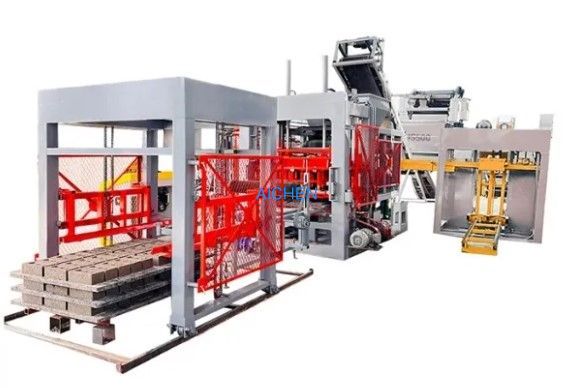
Introduction to QT6-15 Hydraulic Paver Block Machine
The QT6-15 hydraulic paver block making machine is a fully automatic, hydraulic block-making machine designed for efficient, high-output production. It is known for producing a wide variety of concrete products such as paver blocks, hollow blocks, solid bricks, and curbstones. Its robust structure, intelligent control system, and hydraulic pressure mechanism make it a top choice for manufacturers around the world.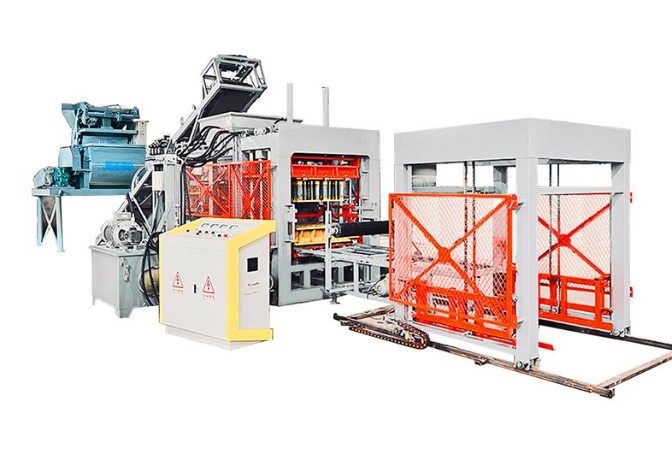
Step-by-Step: How QT6-15 block machine Produces Paver Blocks
1. Material Preparation
The first step in the process is the preparation of raw materials. These typically include:
- Cement
- Sand
- Gravel or crushed stone
- Water
- Color pigments (for colored pavers)
These materials are carefully measured and mixed using a concrete mixer to ensure uniformity and consistency.
2. Feeding the Material
Once the mixture is ready, it is fed into the hopper of the QT6-15 paver block plant. The machine uses a feeding system with ring belt to deliver the material into the mold box evenly and efficiently. The uniform distribution of the mix is crucial to achieve consistent block quality.
3. Molding Through Vibration
Unlike traditional machines that rely on hydraulic pressing, the QT6-15 uses high-frequency vibration to shape the paver blocks. Here's how it works:
- The mixed concrete is evenly distributed into the feeder car.
- Powerful vibration motors, located underneath the table, generate intense vertical vibrations.
- These vibrations cause the material to compact and settle inside the mold cavities.
4. Block Forming and Transfer
After the vibration compaction is complete:
- The mold is gently lifted with the help of the hydraulic system, while the tamper head keeps the blocks in position.
- As the mold moves upward, the finished paver blocks are released onto the pallet below.
- These newly formed pavers are then smoothly transferred to the conveyor or stacking system for the next step in the process.
5. Curing Process
The fresh paver blocks are then moved—usually by automatic stacking systems—to a curing area. Here they undergo:
- Initial curing (24-48 hours)
- Water curing (to achieve the final strength)
Proper curing is essential to enhance the durability and weather resistance of the blocks.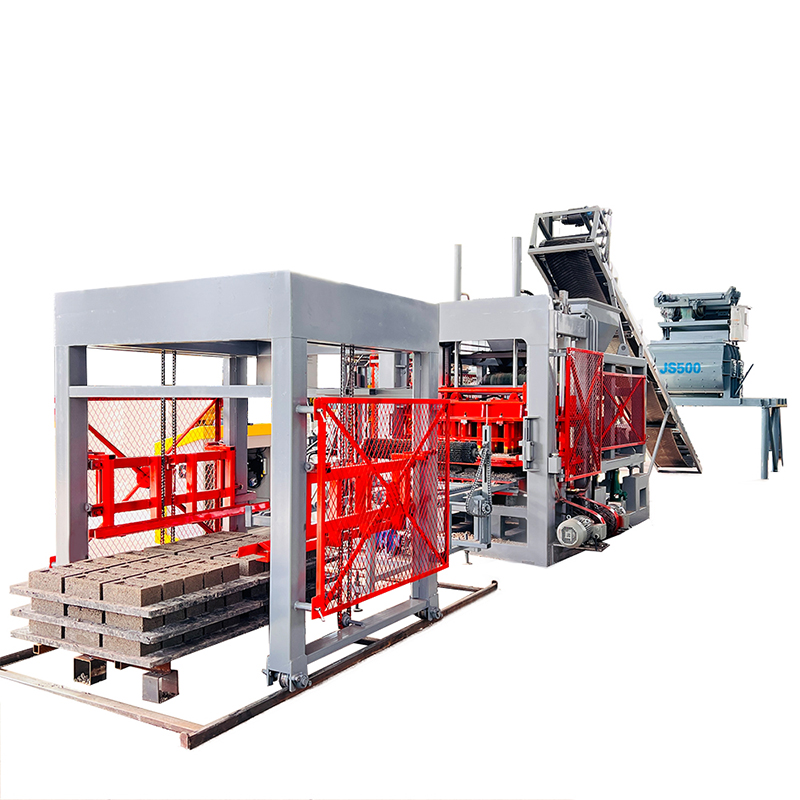
Why Choose QT6-15 block production line from Changsha Aichen Industry?
Here are some reasons why manufacturers trust the QT6-15:
- A: Automatic PLC Operation, Big Capacity, Low Labour Cost
B: Hydraulic Press, High Strength of Block and Paver
C: Its material distributing system mounted with multirow of stirring forkscan,quickly and evenly discharge.
D: Produce sizes of hollow block, solid brick, hourdis, paver and curbstone by changing molds.
E: Suitable for Large and Medium-scale Block Factory


