

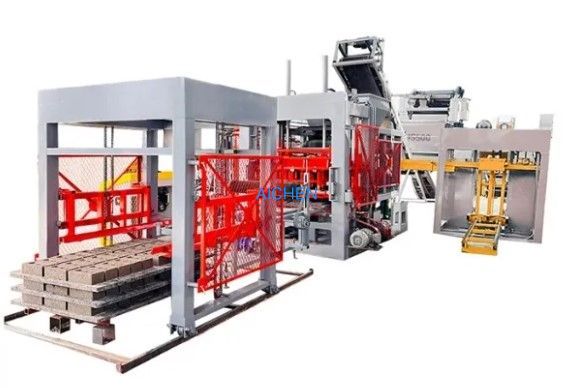
You finally got a powerful QT6-15 block machine, but now it growls, blinks, and beeps like a spaceship, and you secretly fear one wrong button might turn your fresh cement blocks into modern art.
This guide turns that chaos into control, showing clear steps for safe setup, smooth operation, and quick troubleshooting, all aligned with global machinery safety standards (OSHA machine safety report).
🧱 Overview of QT6-15 Block Machine Structure and Working Principles
The QT6-15 block machine uses a hydraulic system, vibration table, and precise molds to produce dense concrete blocks with stable size, strength, and surface quality.
With proper aggregate, water ratio, and vibration time, the QT6-15 runs efficiently, reduces waste, and supports continuous automatic production in large and small block factories.
1. Main Frame and Vibration System
The rigid frame supports the vibration table, molds, and pallet feeder. Strong vibration compacts concrete quickly and improves block density.
- Heavy-duty welded frame for long life
- High-frequency vibration motor
- Adjustable vibration time and strength
- Reduced cracking and honeycomb defects
2. Hydraulic System and Power Unit
The hydraulic station drives the pressing head and lifting cylinders. Stable oil pressure ensures uniform block height and strong compressive strength.
| Component | Function |
|---|---|
| Pump | Supplies steady oil flow |
| Valves | Control pressing speed |
| Oil tank | Cools and stores oil |
| Cylinders | Apply compacting force |
3. Molds, Pallets, and Feeding System
Interchangeable steel molds define block shape. The feed box spreads concrete into mold holes, and pallets carry blocks to the curing area.
- Fast mold change for different block sizes
- Even material spreading reduces voids
- Compatible with wooden or steel pallets
- Supports hollow, solid, and paver blocks
4. Control Panel and Automation Logic
The control cabinet manages each cycle: feeding, vibration, pressing, and demolding. Operators can adjust parameters for different mixes and products.
| Setting | Adjustment Purpose |
|---|---|
| Vibration time | Control density |
| Pressing pressure | Improve strength |
| Cycle time | Balance speed and quality |
| Alarm reset | Restore safe operation |
⚙️ Step-by-Step QT6-15 Start-Up and Shutdown Operating Procedures
Correct start-up and shutdown steps protect the QT6-15 structure, extend service life, and ensure steady block quality across long production shifts.
Train operators to follow each step, check key parameters, and record data, which helps prevent breakdowns and reduce energy and material waste.
1. Pre-Start Inspection and Preparation
Before starting, check hydraulic oil, electrical cables, emergency stops, and clean leftover concrete. Confirm aggregates and cement meet mix design.
- Inspect oil level and leakage
- Tighten loose bolts and connectors
- Test limit switches and sensors
- Remove foreign objects on the vibration table
2. Standard Start-Up Sequence
Start in a fixed order to avoid overload. Always energize controls first, then motors and hydraulic pumps, followed by test cycles without load.
| Step | Action |
|---|---|
| 1 | Turn on main power |
| 2 | Start control system |
| 3 | Run hydraulic pump |
| 4 | Run dry test cycles |
3. Stable Production Operation
During production, keep material feeding uniform, monitor block height, and adjust vibration time and pressure when mix moisture changes.
- Record hourly output and scrap rate
- Check block size every 30 minutes
- Clean feed box edges regularly
- Listen for abnormal vibration noises
4. Safe Shutdown and Cleaning
Stop the machine in reverse order. Release pressure, cut power, and clean molds, pallets, and the vibration table before concrete hardens.
| Task | Reason |
|---|---|
| Release hydraulic pressure | Protect seals |
| Clean mold surfaces | Prevent size errors |
| Remove spilled concrete | Keep motion clear |
| Lock control panel | Avoid misuse |
🛡️ Essential Safety Rules for QT6-15 Daily Operation and Maintenance
Safe QT6-15 operation depends on trained workers, clear rules, and regular checks on hydraulic, electrical, and moving parts.
Use simple routines each shift to avoid injury, downtime, and costly damage to key components such as pumps, motors, and molds.
1. Operator Training and Personal Protection
Only trained staff may run the QT6-15. Always wear safety shoes, gloves, helmets, and hearing protection near the vibration system.
- Never bypass safety switches
- Keep hands away from molds and feed box
- Use lockout tags during repair
- Report unsafe acts at once
2. Machine Guards, Sensors, and Emergency Stops
Keep all covers, limit switches, and light guards in place. Test emergency stop buttons daily to confirm they cut power correctly.
| Device | Check Frequency |
|---|---|
| Emergency stops | Every shift |
| Guard doors | Weekly |
| Limit switches | Weekly |
| Cables and plugs | Monthly |
3. Safe Maintenance and Cleaning Practices
Shut down and lock the power before maintenance. Use wooden or plastic tools to scrape concrete and avoid scratching mold surfaces.
- Release residual pressure from hoses
- Use correct lifting tools for heavy parts
- Replace worn seals and hoses in time
- Record each service in a logbook
🔧 Common QT6-15 Operating Problems, Troubleshooting Methods, and Prevention Tips
Common QT6-15 issues include uneven height, low strength blocks, oil leaks, and alarms. Fast troubleshooting protects production schedules.
Use simple checks, from mix moisture to sensor status, to find root causes and prevent the same fault from happening again.
1. Uneven Block Size and Surface Defects
Height differences often come from bad feed, low vibration, or worn molds. Check material level in the feed box and mold wear.
| Symptom | Cause | Action |
|---|---|---|
| Height variation | Uneven filling | Adjust feed stroke |
| Chips on edges | Demold too fast | Slow lift speed |
| Honeycombs | Low vibration | Increase vibration time |
2. Low Strength or Cracked Blocks
Low strength comes from wrong mix, too much water, short curing, or insufficient pressing pressure. Check water-cement ratio and curing time.
- Use tested mix designs
- Control moisture of sand and gravel
- Keep steady vibration and pressure
- Follow proper curing schedule
3. Hydraulic and Electrical Fault Alarms
Hydraulic alarms indicate low oil, clogged filters, or overheating. Electrical faults often relate to loose cables or sensor misalignment.
| Alarm Type | Quick Check |
|---|---|
| Low pressure | Oil level, pump noise |
| Overheat | Clean oil cooler |
| Limit alarm | Sensor position, wiring |
| Motor trip | Overload, phase loss |
🏭 Why Choose Aichen QT6-15 for Stable, Safe Block Production
The Aichen QT6-15 offers strong structure, precise control, and reliable safety design, making it suitable for high-volume block plants.
Its flexible mold system and efficient hydraulic drive help you reach better quality with lower unit cost and less downtime.
1. High Output with Consistent Quality
Aichen QT6-15 keeps stable vibration and pressure, so each block leaves the mold with uniform strength, smooth surface, and accurate size.
- Fast cycle time for large orders
- Reduced scrap and rework
- Stable performance during long shifts
- Support for a wide range of block types
2. Durable Components and Low Maintenance
Key parts use thick steel and quality hydraulics. With correct oil and cleaning routines, the QT6-15 reduces unplanned breakdowns.
| Feature | Benefit |
|---|---|
| Reinforced frame | Less deformation |
| Quality seals | Fewer leaks |
| Accessible layout | Easy service |
| Spare parts support | Short downtime |
3. Integrated Product Line Options
Aichen also supplies related models like the QT4-25C smart block machine cement block making machine price, QT3-20 automatic concrete block making machine hydraulic block making machine price, and QTJ425 automatic concrete block making machine QT425B block machine price to suit different capacities.
Conclusion
The QT6-15 block machine delivers strong productivity, high block quality, and safe operation when used with proper procedures and regular maintenance.
By following clear start-up, shutdown, and safety routines, you can cut downtime, reduce waste, and build a stable, profitable concrete block production line.
Frequently Asked Questions about QT6-15 Block machine
1. What daily checks are needed before starting the QT6-15?
Check hydraulic oil level, look for leaks, confirm emergency stops work, inspect cables, clean molds and the table, and ensure correct materials are ready.
2. How often should hydraulic oil be changed?
In normal conditions, change hydraulic oil every 6–12 months, or sooner if the oil becomes dark, smells burnt, or test results show contamination.
3. Can one QT6-15 machine produce multiple block types?
Yes. By changing molds and adjusting mix, vibration, and pressure settings, the QT6-15 can produce hollow blocks, solid blocks, and various pavers.
4. What skills do QT6-15 operators need?
Operators should understand the control panel, basic concrete mix rules, safety rules, and be able to detect unusual sounds, leaks, or alarm messages.
5. How can I improve QT6-15 production efficiency?
Use a stable mix design, keep feeding steady, maintain molds and hydraulics, train workers, record key data, and adjust parameters based on block quality feedback.


