

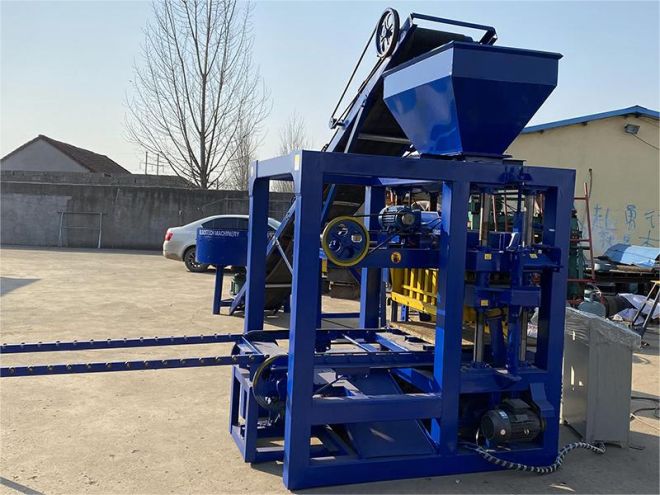
Tired of scrolling through endless QT4-24 specs, feeling like you need an engineering degree just to buy a block machine—and still worrying you’ll pick a noisy, brick-breaking diva instead of a reliable workhorse?
This QT4-24 Block Making Machine Ultimate Buyer Guide 2026 cuts through the confusion, explains key performance data in plain language, and follows proven industry standards from reports like UNIDO’s manufacturing equipment guidelines so you can invest with confidence.
🧱 Key Technical Specifications of QT4-24 Block Making Machine 2026
The 2026 QT4-24 block making machine offers stable performance, low energy use, and easy operation for new and growing block factories worldwide.
Its simple structure, reliable vibration system, and strong frame help you produce quality concrete blocks with low running cost and quick return on investment.
1. Main Machine Parameters
The QT4-24 uses a compact design with strong steel, ideal for small to medium block plants.
- Molding cycle: about 24–28 seconds
- Power: around 13–16 kW (depending on configuration)
- Vibration mode: table vibration
- Control: simple electric control panel
2. Vibration and Compaction System
The strong vibration motor packs concrete tightly, giving blocks good density and strength.
| Item | Feature |
|---|---|
| Vibration force | High frequency, stable output |
| Concrete feeding | Uniform, reduces hollow defects |
| Block surface | Smooth, sharp edges |
3. Mold Design and Changeover
QT4-24 supports fast mold change, so you can shift from hollow blocks to pavers in a short time.
- Thick mold plates for long life
- Easy alignment and locking system
- Support for custom block sizes
4. Control, Safety, and Automation Level
The machine uses an easy control panel with clear buttons and safety covers on moving parts.
- Simple training for new workers
- Manual and semi-auto cycles
- Emergency stop and limit switches
⚙️ QT4-24 Production Capacity, Output Types, and Block Size Flexibility
QT4-24 fits investors who need flexible production, from standard hollow blocks to solid bricks and simple pavers.
By changing molds and mix design, you can match local building codes and market demand without buying a new machine.
1. Typical Hourly Capacity
Below chart shows typical output per hour under normal working conditions.
2. Common Block Types
QT4-24 covers most popular block types for housing and small projects.
| Type | Main Use |
|---|---|
| Hollow block | Walls, partitions |
| Solid brick | Load-bearing walls |
| Simple paver | Yards, paths |
3. Adjustable Block Sizes
You can order molds for different sizes to match local standards or special projects.
- Standard 400×200×200 mm hollow blocks
- Smaller partition blocks
- Custom paver thickness and shapes
4. Matching QT4-24 with Other Lines
Use QT4-24 with mixers, stackers, and smaller manual machines for full plant planning.
- Entry-level support: QT320 QTJ3 20 concrete block maker manual concrete block making machine
- Upgrade path: QT3-20 automatic concrete block making machine hydraulic block making machine price
- Paver focus: QT4-25C automatic paver machine block making machine suppliers
🏭 Site Requirements, Power Needs, and Installation Considerations for QT4-24
Plan a flat, strong yard, stable power supply, and enough curing space before ordering the QT4-24 block making machine.
Good site planning cuts labor costs and keeps production smooth from the first day of operation.
1. Factory Layout and Ground Conditions
Keep the machine on level concrete floor with clear material and block flow.
- Minimum working area: about 300–500 m²
- Separate raw material, production, and curing zones
- Good drainage to avoid mud and standing water
2. Power, Water, and Material Storage
Stable three-phase power and clean water improve block quality and reduce machine failures.
| Item | Recommendation |
|---|---|
| Power supply | Match rated kW, stable voltage |
| Water | For mixing and cleaning only |
| Storage | Covered sand, gravel, cement |
3. Installation, Testing, and Training
Follow the supplier’s layout, wiring, and test steps carefully before mass production.
- Check bolt tightness and lubrication before first run
- Run empty tests, then wet tests with concrete
- Train workers on safety, mold change, and cleaning
🔧 Daily Maintenance, Wear Parts, and Longevity Tips for QT4-24 Operation
Regular cleaning, lubrication, and parts checks keep QT4-24 running stable and extend its working life.
Simple daily tasks prevent major failures and protect your profit over many years of block production.
1. Daily and Weekly Maintenance Tasks
Set clear routines for workers at the start and end of each shift.
- Clean concrete from molds, hopper, and frame
- Check oil level in gearboxes and vibration motors
- Inspect cables and control buttons
2. Key Wear Parts to Watch
Plan stock for common spare parts to avoid long downtime.
| Part | Tip |
|---|---|
| Molds | Replace when corners round or size changes |
| Vibration pads | Check for cracks, replace in pairs |
| Bearing and belts | Listen for noise, tighten or change early |
3. Operating Tips for Long Service Life
Good operation habits protect the machine and improve block quality.
- Use proper mix ratio and do not overload the feeder
- Avoid running with loose bolts or strange noise
- Schedule annual full inspection by skilled technician
🏅 Why Aichen QT4-24 Stands Out in 2026 Market Selection
Aichen QT4-24 offers a strong balance of price, capacity, and reliability, ideal for new investors in 2026.
Its proven design, wide mold options, and solid after-sales support make it a safe choice in a crowded market.
1. Cost-Performance Advantage
Compared with fully automatic lines, QT4-24 keeps investment low while still giving high output and stable quality.
- Fast payback in many regions
- Low spare parts and service cost
- Simple electrical system easy to repair
2. Flexibility for Different Markets
Aichen offers mold and layout suggestions based on your local block size and building standards.
| Market Need | QT4-24 Solution |
|---|---|
| Housing blocks | Standard hollow molds |
| Small projects | Solid bricks and small blocks |
| Simple paving | Basic paver molds |
3. Service, Training, and Upgrade Path
Aichen gives guidance on installation, training, and future upgrades to larger automatic lines.
- Remote support and spare parts supply
- Operator manuals and videos
- Clear roadmap to semi-auto and full-auto systems
Conclusion
The QT4-24 block making machine in 2026 is a smart choice for new and growing block factories. It offers good capacity, flexible molds, and low running cost.
With correct site planning, daily care, and solid support from Aichen, you can run stable production and build a strong local block brand.
Frequently Asked Questions about QT4-24 Block making machine
1. How many workers do I need to run QT4-24?
Most plants need 3–5 workers: one at the mixer, one at the machine, and others for pallet moving, curing, and stacking.
2. Can QT4-24 use local sand and stones?
Yes, you can use most local sand and aggregate if they are clean and graded. Your supplier will help test and set the right mix ratio.
3. How long does mold for QT4-24 usually last?
With proper concrete mix and cleaning, molds often last 80,000–120,000 cycles. Life depends on block type, cement content, and operator care.
4. Is QT4-24 suitable for both urban and rural projects?
Yes. Its compact size and simple structure fit small rural yards, while its capacity serves urban housing blocks and small developers.
5. How soon can I start production after installation?
After wiring, testing, and short worker training, most users start stable production within 2–3 days of final installation and setup.


