

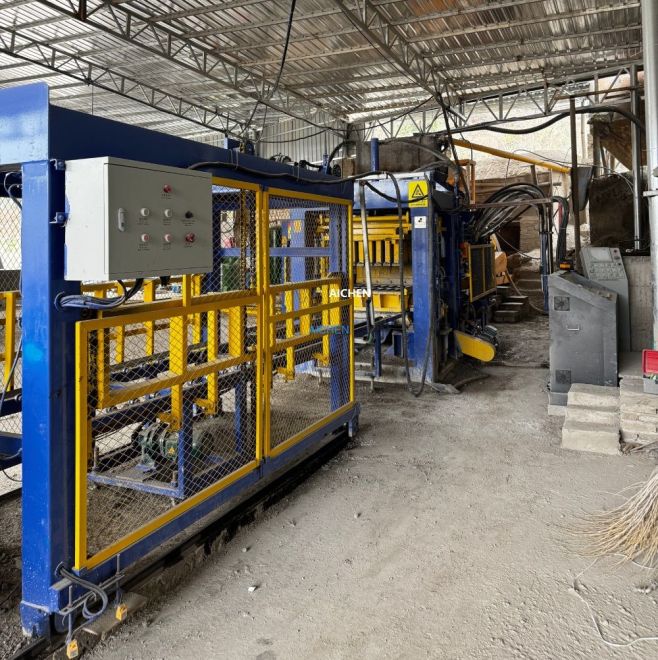
Choosing a QT8-15 concrete block production line can feel like dating apps for machines: too many options, confusing specs, and you just hope the one you pick doesn’t ghost you mid-project.
This guide simplifies capacity, automation, and cost so you choose confidently, backed by real performance data and industry standards from ISO concrete machinery guidelines.
🧱 Key Technical Specifications of the QT8-15 Concrete Block Production Line
The QT8-15 concrete block production line offers high output, stable operation, and flexible mold changes. It suits medium to large factories seeking reliable performance and low labor cost.
By understanding its core specifications, you can compare it with models like the QT4-25C automatic paver machine block making machine suppliers and choose the right capacity for your market.
1. Main Machine Power and Hydraulic System
The QT8-15 uses a strong hydraulic system and optimized vibration to form dense blocks. Power sizing affects speed, stability, and long-term durability.
- Total installed power: typically 40–45 kW
- Hydraulic pressure: about 21–25 MPa
- Vibration form: table and mold vibration combined
- Cooling and filtration protect valves and seals
2. Pallet Size and Molding Area
Pallet and molding sizes define the maximum block size and number of pieces per cycle. Larger pallets support more blocks with each press.
| Item | Typical Value |
|---|---|
| Pallet size | ≈ 950 × 900 mm |
| Max molding area | ≈ 900 × 880 mm |
| Pallet material | Wood, PVC, or bamboo-plastic |
3. Supported Block Types and Mold Change
QT8-15 supports hollow blocks, solid bricks, pavers, and curbs. You can upgrade product lines without buying a new machine.
- Standard hollow blocks
- Solid bricks and interlocking bricks
- Colored paver blocks with face-mix units
- Fast mold change with guided alignment pins
4. Power, Labor, and Space Requirements
Plan power supply, labor, and floor space early. This ensures your QT8-15 line runs smoothly from day one.
| Factor | Typical Requirement |
|---|---|
| Operators | 3–5 persons per shift |
| Power supply | 380V / 50Hz (customizable) |
| Workshop area | ≥ 300–500 m² |
⚙️ Core Components and Workflow of a Modern QT8-15 Block Plant
A modern QT8-15 line includes batching, mixing, forming, curing, and stacking. Each step affects block strength, surface finish, and overall efficiency.
Understanding the workflow helps you organize raw materials, labor, and forklift routes, and compare with models like the QT4-25C smart block machine cement block making machine price.
1. Aggregate Batching and Cement Weighing
Accurate batching yields stable strength and reduces cement waste. Automatic weighing systems store multiple recipes for different products.
- Automatic hopper batching for sand, gravel, and stone dust
- Cement scale with settable ratios
- Water dosing controlled by PLC
- Recipe memory for several mix designs
2. Mixing, Feeding, and Vibration Forming
The mixer blends raw materials, then a feeder distributes mix into the mold. Strong vibration compacts materials into dense blocks.
| Stage | Main Role |
|---|---|
| Mixing | Uniform blend of cement, aggregates, and water |
| Feeding | Even fill of mold cavities to avoid honeycombing |
| Vibration + Pressing | High density, smooth surfaces, reduced voids |
3. Curing, Stacking, and Packaging Flow
After demolding, blocks move to curing. Proper stacking and curing raise strength and lower breakage during handling and transport.
- Green blocks placed on pallets or racks
- Natural or steam curing depending on climate
- Forklift or automatic stacker for efficient logistics
- Strapping and film wrapping for shipping
4. Data Tracking and Production Analysis
With simple data tracking, you can see daily output, cycle counts, and reject rates. This supports better planning and preventive maintenance.
📊 Output Capacity, Molding Cycles, and Product Quality Considerations
The QT8-15 offers fast molding cycles and consistent quality when raw materials, curing, and maintenance follow proper standards and simple, repeatable procedures.
This section explains how to balance speed, cost, and the strength of the final concrete products.
1. Typical Output Ranges and Cycle Times
Capacity depends on block size, pallet layout, and working hours. You can estimate daily production with cycle time and pieces per pallet.
| Product | Pieces / Pallet | Approx. Cycles / Hour | Daily Output (8h) |
|---|---|---|---|
| 390×190×190 mm hollow | 8 | 36–40 | ≈ 9,000–10,000 |
| Standard solid brick | 32–40 | 36–40 | ≈ 11,000–13,000 |
| Paver block | 18–25 | 35–38 | ≈ 7,000–8,000 |
2. Key Factors Affecting Block Strength and Density
Strength relies on mix design, vibration, and curing. Good control of these factors reduces cracking and maintains uniform size and weight.
- Stable cement content and water–cement ratio
- Clean aggregates with proper gradation
- Sufficient vibration time and pressure
- Controlled curing temperature and humidity
3. Quality Control and On-Site Testing Tips
Simple checks during production help you catch problems early and avoid large batches of low-quality blocks.
- Measure block size and weight by batch
- Visual check for chips, cracks, and color variation
- Drop tests and basic compression tests where possible
- Record defects and adjust mix or vibration quickly
🛠️ Maintenance, Spare Parts, and After-Sales Service from Aichen
Regular maintenance and quick access to spare parts keep your QT8-15 productive. Aichen supports users with training, manuals, and responsive service.
Good care extends machine life and protects your investment, whether you run full-automatic or semi-automatic lines.
1. Daily and Weekly Maintenance Checklist
Short, routine checks reduce unexpected stops and lower repair costs. Train operators to follow simple checklists at the start and end of each shift.
- Inspect hydraulic oil level and look for leaks
- Grease moving joints and bearings
- Check vibration motors and cable connections
- Clean sensors, limit switches, and mold surfaces
2. Common Wear Parts and Recommended Stock
Keeping key parts in stock cuts waiting time. Focus on components that face friction, impact, and frequent motion.
| Part Type | Examples | Stock Advice |
|---|---|---|
| Wear parts | Mold liners, tamper shoes, feeder blades | 1–2 extra sets |
| Hydraulic | Seals, hoses, filters | Basic kit per machine |
| Electrical | Sensors, relays, contactors | At least one spare each |
3. Aichen’s Remote Support and On-Site Service
Aichen offers remote fault diagnosis, operation guidance, and engineer visits. Clear English support documents help your team learn quickly.
- Online video support for installation and troubleshooting
- Engineer dispatch for complex issues or upgrades
- Training on operation, safety, and quality control
- Long-term supply of original spare parts
📌 Site Planning, Installation Requirements, and Safety Guidelines for QT8-15 Users
Good site planning improves material flow, worker safety, and product quality. Plan layout, foundations, and curing zones before installing the QT8-15 line.
Clear safety rules protect people and reduce damage to equipment, forklifts, and pallets.
1. Layout Planning and Material Flow Design
Arrange raw materials, mixer, main machine, and curing area to reduce forklift travel and avoid cross-traffic of people and vehicles.
- Separate cement silo from aggregate storage
- Place mixer close to main machine to reduce conveyor length
- Provide straight paths for pallet and block movement
- Reserve space for future machines like the QT3-20 automatic block machine concrete block automatic machine
2. Foundation, Power, and Utility Requirements
A solid, level foundation and stable power supply are essential. Poor foundations lead to vibration issues, misalignment, and faster wear.
| Requirement | Notes |
|---|---|
| Concrete foundation | Design according to local soil and load |
| Power | 3-phase, with enough capacity and protection |
| Water | Stable supply for mixing and cleaning |
| Drainage | Keep workshop dry and safe |
3. Operator Training and Safety Practices
Train all operators before start-up. Simple rules and clear markings reduce accidents and improve daily discipline on the production floor.
- Lock-out procedures before maintenance and mold changes
- Safe zones marked around moving parts and forklifts
- Use of helmets, gloves, and ear protection
- Regular safety drills and refresh training
Conclusion
The QT8-15 concrete block production line gives a strong balance of capacity, flexibility, and cost for growing block factories. With the right layout, maintenance, and training, it can run for many years.
By comparing specs, planning your site, and working with Aichen’s service team, you can build a stable, profitable concrete block business.
Frequently Asked Questions about QT8-15 Block making machine
1. What is the typical daily capacity of the QT8-15?
In an 8-hour shift, the QT8-15 can usually produce about 9,000–10,000 standard hollow blocks, or up to 12,000 smaller solid bricks, depending on block size and curing speed.
2. Can one QT8-15 machine produce different types of blocks?
Yes. By changing molds, you can produce hollow blocks, solid bricks, paver blocks, and curbstones. This lets you serve housing, road, and landscaping markets with one line.
3. How many workers are needed to run a QT8-15 production line?
Most plants run with about 3–5 people per shift: one main operator, one mixer operator, and 1–3 workers for pallet handling, stacking, and general tasks.
4. What raw materials can the QT8-15 use?
The QT8-15 can use sand, gravel, crushed stone, fly ash, slag, and other local materials with cement and water. Proper grading and clean materials give better strength and finishing.
5. How long does it take to install and commission the QT8-15?
After the foundation and utilities are ready, installation and commissioning usually take about 7–15 days, depending on the level of automation and the experience of your local team.


