

Staring at endless concrete block machines, you wonder if you’re buying smart tech or a very expensive metal headache. Relax—everyone’s inner engineer panics when buttons, molds, and motors start looking the same.
This 2026 Semi Automatic Concrete Block Machine Buying Guide turns confusion into clear steps, backed by real data from Mordor Intelligence’s concrete block market report, so you can choose confidently and avoid costly mistakes.
🧱 Key Components of Semi Automatic Concrete Block Machines in 2026
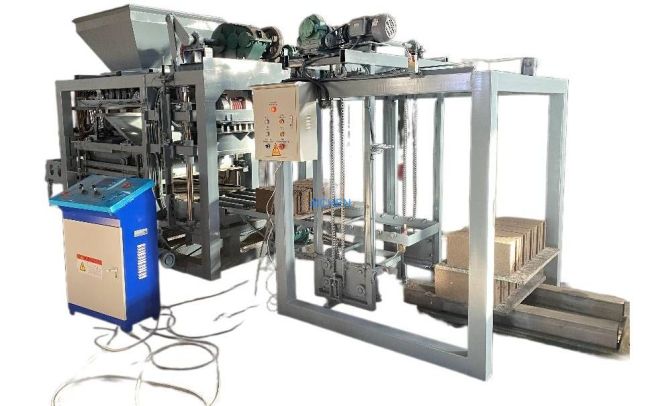
Semi automatic concrete block machines in 2026 focus on strong frames, smart vibration systems, and easy controls. These upgrades help you get stable block quality and lower costs.
When you compare models, check vibration force, mold flexibility, and feeding systems. These parts directly affect density, speed, and surface finish.
1. Main Frame and Vibration System
The frame must resist stress and keep the mold level. Modern vibration systems use adjustable frequency to pack concrete evenly into every cavity.
- Heavy-duty welded steel structure
- Adjustable vibration frequency and amplitude
- Low-noise, energy‑saving motors
2. Molds and Changeover Design
Good molds give clean edges and accurate sizes. Fast mold change lets you shift between hollow, solid, and paver blocks in minutes.
| Feature | Benefit |
|---|---|
| Heat‑treated mold plates | Longer life, less wear |
| Quick‑lock system | Faster product changeover |
3. Feeding and Mixing Interface
Stable feeding ensures each cycle fills the mold completely. In 2026, many machines sync with external mixers and belt conveyors.
- Uniform material spreader
- Adjustable feed speed
- Compatible with automatic batching lines
4. Control Panel and Sensors
Semi automatic machines use simple PLC or relay control. Clear buttons and alarms help operators manage cycles with less training time.
| Control | Function |
|---|---|
| Cycle timer | Sets vibration and press time |
| Fault alarm | Guides quick troubleshooting |
⚙️ Productivity, Cycle Time and Output Capacity: What to Compare in 2026
In 2026, buyers should compare cycle time, pallets per hour, and blocks per shift. These numbers decide real project cost and payback speed.
Look at how quickly the machine forms blocks, how many workers it needs, and how stable the daily output stays under real site conditions.
1. Typical Output Comparison
Use output data to match the machine with your project volume and plant space. Below is a simple bar chart style comparison.
2. Cycle Time and Labor Requirement
Shorter cycles raise daily output. But machines must stay simple so two to three workers can run the full line safely and smoothly.
- Target cycle time: 20–30 seconds
- Team size: 2–4 operators per shift
- Focus on low idle time between pallets
3. Matching Output to Market Demand
Do not oversize the machine. Match daily capacity to local demand so you keep the machine busy and protect your cash flow.
| Daily Demand | Recommended Machine |
|---|---|
| 1,500–3,000 blocks | Entry semi automatic |
| 3,000–5,000 blocks | Higher‑output semi automatic |
4. Sample Models to Evaluate
For small to mid‑size plants, compare models such as QT4-24 small block making machine cheap concrete block making machine and QT4-25B hollow block making equipment hollow block manual machine price to balance cost and capacity.
📏 Block Quality, Dimensional Accuracy and Strength: Crucial Evaluation Standards
Block buyers focus on strength, exact size, and clean edges. Your 2026 machine must keep these standards, even with changing raw materials.
Check sample blocks directly from trial runs before purchase. Measure, weigh, and break-test them to confirm long‑term stability.
1. Dimensional Tolerance
Good machines keep length, width, and height within narrow limits so blocks line up easily at site, saving mortar and labor.
- Measure with calipers or steel scale
- Compare to national standards
- Reject molds with warped edges
2. Compressive Strength and Density
Ask for test reports or crush a few blocks at a lab. Stable vibration gives high density and stronger walls.
| Block Type | Typical Strength (MPa) |
|---|---|
| Non‑load‑bearing hollow | 3–5 |
| Load‑bearing hollow/solid | 7.5–12.5 |
3. Surface Finish and Edge Quality
Blocks should show smooth faces and sharp corners. Poor finish often means weak vibration, bad feed, or worn molds.
- Check for cracks and honeycombs
- Inspect corners for chips
- Verify uniform color and texture
🔌 Power Consumption, Maintenance Needs and Operator Safety Considerations
Energy cost, planned maintenance, and safety rules shape your real production cost. In 2026, smart design can cut all three factors.
Look for efficient motors, simple grease points, and clear guarding so you avoid downtime and accidents.
1. Power Use and Energy Savings
Modern semi automatic machines use efficient motors and optimized vibration to lower kWh per block while keeping strength high.
- High‑efficiency IE2/IE3 motors
- Adjustable vibration time
- Option to run off peak‑hour tariffs
2. Maintenance Planning
Scheduled care keeps output stable. Choose machines with easy access to wear parts, clear manuals, and strong after‑sales support.
| Task | Interval |
|---|---|
| Grease bearings | Daily/weekly |
| Check bolts and vibration plates | Weekly |
| Inspect molds for wear | Monthly |
3. Operator Safety Features
Safety guards, emergency stops, and training guides reduce risk. Simple layouts help operators stay alert and avoid unsafe shortcuts.
- Emergency stop buttons near operator
- Guarding around moving parts
- Clear labels and warning signs
🏭 Why Aichen Semi Automatic Concrete Block Machines Suit 2026 Project Demands
Aichen machines focus on stable output, practical automation, and low running cost, fitting contractors, small plants, and growing block yards in 2026.
Their designs support easy upgrades, strong after‑sales service, and flexible molds for many block sizes and shapes.
1. Balanced Cost and Performance
Models like QT4-25B machine to make cement blocks hollow block making machine price offer high capacity while staying affordable for new investors.
- Fast payback period
- Reliable components
- Low spare‑part cost
2. Flexibility for Different Projects
One machine can produce hollow blocks, solid blocks, and pavers by changing molds, which helps you serve different clients and markets.
| Product | Use |
|---|---|
| Hollow block | Walls, partitions |
| Solid block | Foundations, load‑bearing walls |
| Paver | Roads, yards, walkways |
3. Global Support and Training
Aichen provides layout design, install guidance, and training. This support helps new plants reach target output faster with fewer mistakes.
- Online and on‑site support options
- Spare parts supply
- Operator training materials
Conclusion
When buying a semi automatic concrete block machine in 2026, focus on capacity, block quality, energy use, and safety. Test real blocks before you decide.
Choose a model that matches your current demand but can also grow with your market. With careful planning, your plant can stay profitable for many years.
Frequently Asked Questions about semi automatic concrete block machine
1. What is a semi automatic concrete block machine?
It is a machine that forms concrete blocks with automatic vibration and pressing, while operators handle pallet feeding, block stacking, and some control actions manually.
2. How many workers do I need to run one machine?
Most semi automatic lines need two to four workers per shift: one at the machine, one for pallets, and one to move fresh blocks.
3. Can one machine make different block sizes?
Yes. You can produce various sizes and shapes by changing molds. Check that the frame and vibration system match all planned products.
4. How long does a mold usually last?
With proper steel and good maintenance, molds can last 80,000–120,000 cycles or more, depending on raw materials and vibration settings.
5. What power supply do I need?
Most semi automatic machines use three‑phase industrial power. Confirm voltage and frequency with the supplier to match your local grid before ordering.


