

Introduction to Concrete Block Manufacturing
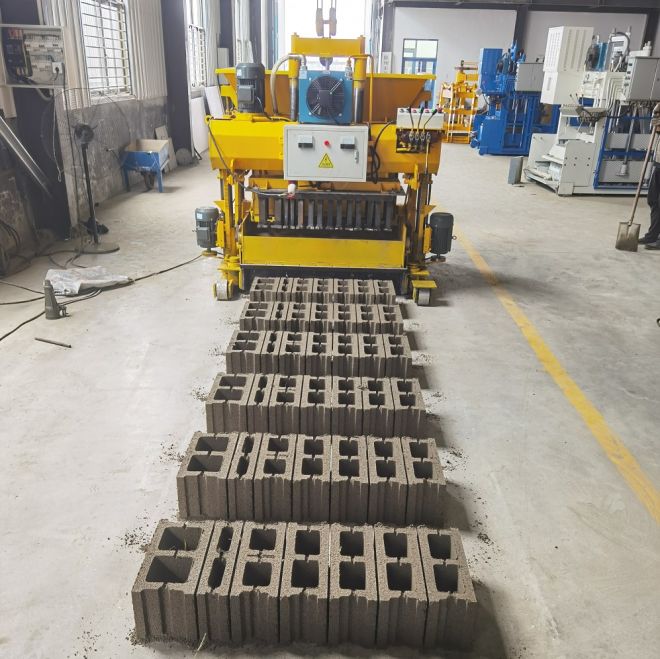
Concrete blocks have been a fundamental component in construction for decades, offering durability and versatility. These blocks are widely used in residential, commercial, and industrial construction projects. The process of manufacturing concrete blocks involves mixing raw materials, molding the mixture, curing the blocks, and undergoing quality control tests. With technological advancements and the introduction of mobile concrete block making machine, the manufacturing process has become more efficient and cost-effective.
Raw Materials for Concrete Blocks
● Cement
● Cement
is the primary binding agent in concrete block manufacturing. It reacts with water to form a paste that binds the aggregates together. Various types of cement, such as Portland cement, are used based on the block's intended application and environmental conditions.● Aggregates: Sand, Gravel, Crushed Stone
Aggregates make up approximately 60-80% of the concrete mixture. Sand, gravel, and crushed stone are the most common aggregates used. The quality and size of the aggregates significantly influence the block's strength and durability.
● Water and Additives
Water activates the cement, initiating the chemical reaction required to form concrete. The water-to-cement ratio is crucial for achieving the desired consistency and strength. Additives, such as plasticizers and accelerators, are often used to enhance the mixture's workability and to speed up the curing process.
Proportioning and Mixing the Ingredients
● Ideal Ingredient Ratios
Achieving the correct ratio of cement, aggregates, and water is essential for producing high-quality concrete blocks. Typically, the mix design is proportioned by weight, ensuring consistency and uniformity in each batch.
● Types of Mixers and Mix Designs
Different types of mixers are employed to blend the ingredients thoroughly. The most common types include pan mixers, drum mixers, and continuous mixers. The choice of mixer depends on the production scale and specific requirements of the blocks being manufactured.
Molding the Concrete Blocks
● Different Types of Molds
Molds determine the shape and size of the concrete blocks. They can be made of steel, polyurethane, or wood. Modular molds allow for the production of diverse block shapes, which can be customized according to the construction needs.
● Manual vs. Automated Molding
Manual molding involves pouring the concrete mixture into molds and compacting it manually. Automated molding, on the other hand, uses mobile concrete block making machines to streamline the process. These machines enhance productivity, consistency, and precision in block production.
Curing Process for Concrete Blocks
● Methods of Curing: Steam, Water, Air
Curing is a vital step that ensures the blocks reach their full strength and durability. Steam curing accelerates the process by providing a humid and warm environment. Water curing involves immersing the blocks in water tanks, while air curing allows the blocks to harden naturally over time.
● Duration and Conditions
The curing duration varies based on the method used and the block type. Generally, blocks are cured for a minimum of 7 days, with optimal results achieved at 28 days. Proper curing conditions, such as maintaining adequate humidity and temperature, are crucial for preventing cracks and ensuring uniform strength.
Quality Control in Block Manufacturing
● Testing for Strength and Durability
Concrete blocks undergo rigorous testing to ascertain their strength, durability, and stability. Common tests include compression tests, water absorption tests, and density tests. These assessments ensure that the blocks meet industry standards and are suitable for construction applications.
● Standards and Certifications
Adhering to national and international standards is vital for maintaining product quality and safety. Certifications from recognized bodies provide assurance to customers and enhance the credibility of mobile concrete block making machine manufacturers.
Automated Manufacturing Technologies
● Modern Machinery and Automation
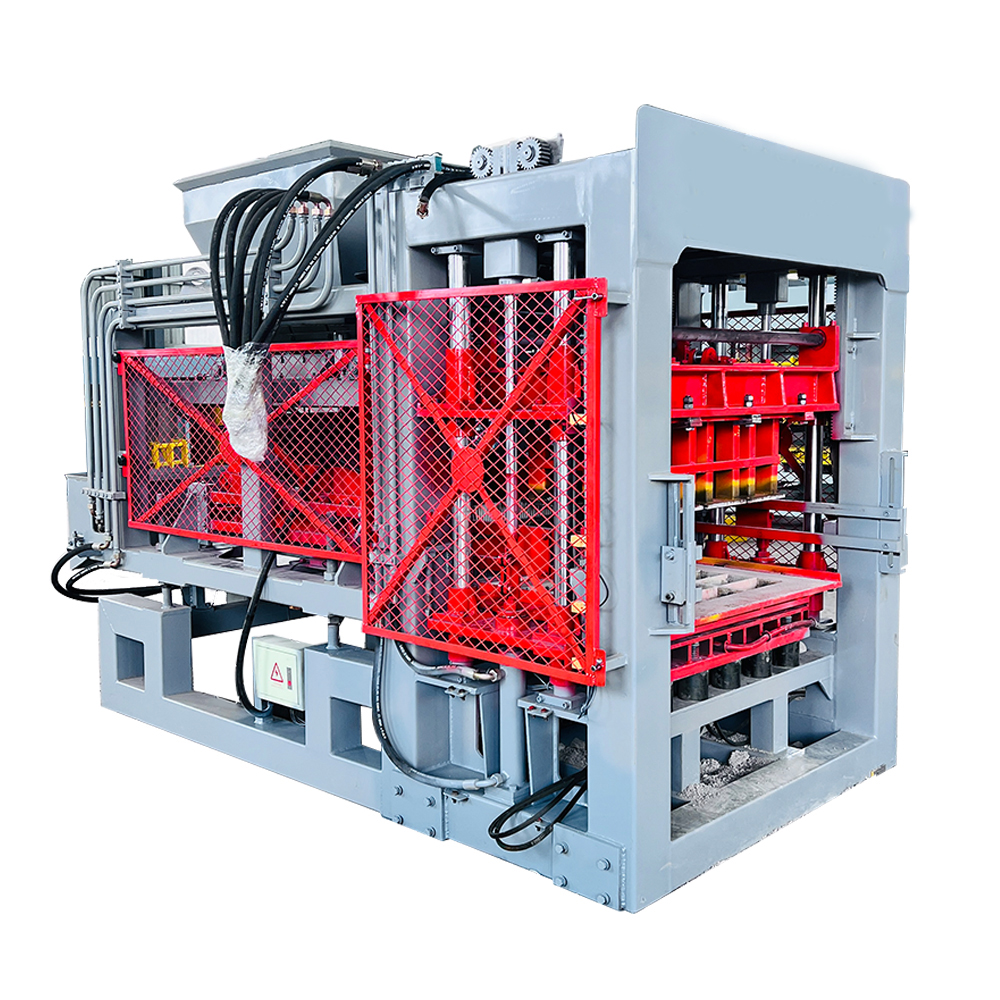
The advent of automated manufacturing technologies, such as mobile concrete block making machines, has revolutionized the industry. These machines offer enhanced precision, speed, and efficiency, significantly reducing labor costs and production time.
● Benefits of Automation
Automation minimizes human error, ensures uniformity in block dimensions, and increases production capacity. Mobile concrete block making machines can produce different block types and sizes, catering to diverse construction needs. Furthermore, they facilitate large-scale production with consistent quality.
Environmental Impact and Sustainability
● Eco-Friendly Raw Materials
Sustainability is a growing concern in the construction industry. Utilizing eco-friendly raw materials, such as recycled aggregates and alternative binders, reduces the environmental footprint of concrete block manufacturing.
● Waste Management and Recycling
Effective waste management practices, including recycling byproducts and reusing waste materials, contribute to a sustainable manufacturing process. Custom mobile concrete block making machines often incorporate features that minimize waste and optimize raw material usage.
Common Issues and Troubleshooting
● Defects in Blocks: Causes and Solutions
Common defects in concrete blocks include cracking, warping, and uneven surfaces. These issues can arise from improper mixing, inadequate curing, or poor-quality raw materials. Identifying and addressing these causes promptly ensures the production of high-quality blocks.
● Maintenance of Equipment
Regular maintenance of mobile concrete block making machines ensures their optimal performance and longevity. This includes routine inspections, cleaning, lubrication, and timely replacement of worn-out parts. A proactive maintenance strategy minimizes downtime and enhances productivity.
Market and Economic Considerations
● Cost Analysis
Understanding the costs involved in concrete block manufacturing is essential for economic viability. This includes the cost of raw materials, labor, machinery, and energy. Mobile concrete block making machines offer cost-effective solutions by minimizing labor costs and maximizing production efficiency.
● Market Demand and Competition
The demand for concrete blocks varies based on construction activities, economic conditions, and regional preferences. Manufacturers must stay abreast of market trends and competition to remain competitive. Offering high-quality blocks and excellent customer service helps in capturing and retaining market share.
Conclusion
Manufacturing concrete blocks is a complex process that involves meticulous planning, precise execution, and stringent quality control. The use of advanced technologies, such as mobile concrete block making machines, has significantly enhanced the efficiency and quality of block production. By adhering to best practices and industry standards, manufacturers can produce durable and versatile concrete blocks that meet the needs of the construction industry.
● About Aichen
Changsha Aichen, located in Changsha City, Hunan Province of China, has been committed to the research and development, manufacture, and sales of concrete block making machines since 1999. Aichen manufactures a wide selection of concrete-product machines and block production lines, including brick machines, automatic block production lines, and more. Leveraging the latest global technology and quality management standards, Aichen produces eco-friendly concrete masonry products used in various applications, from building construction to hardscaping.


