

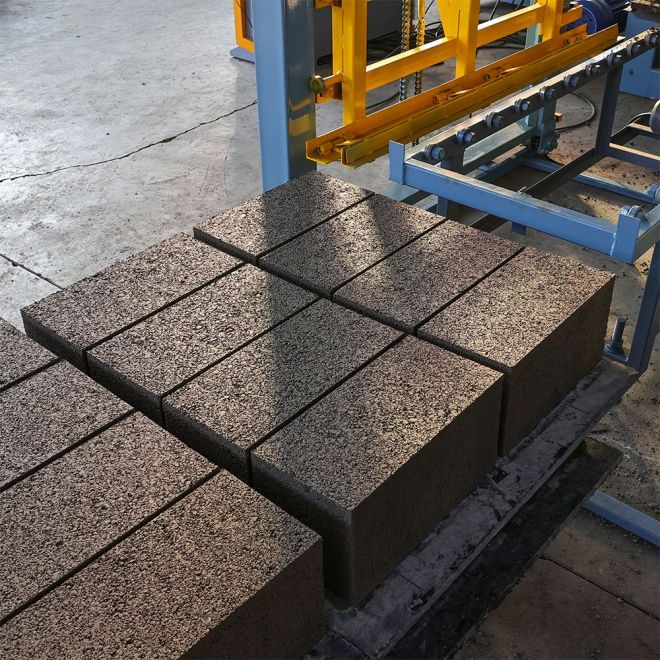
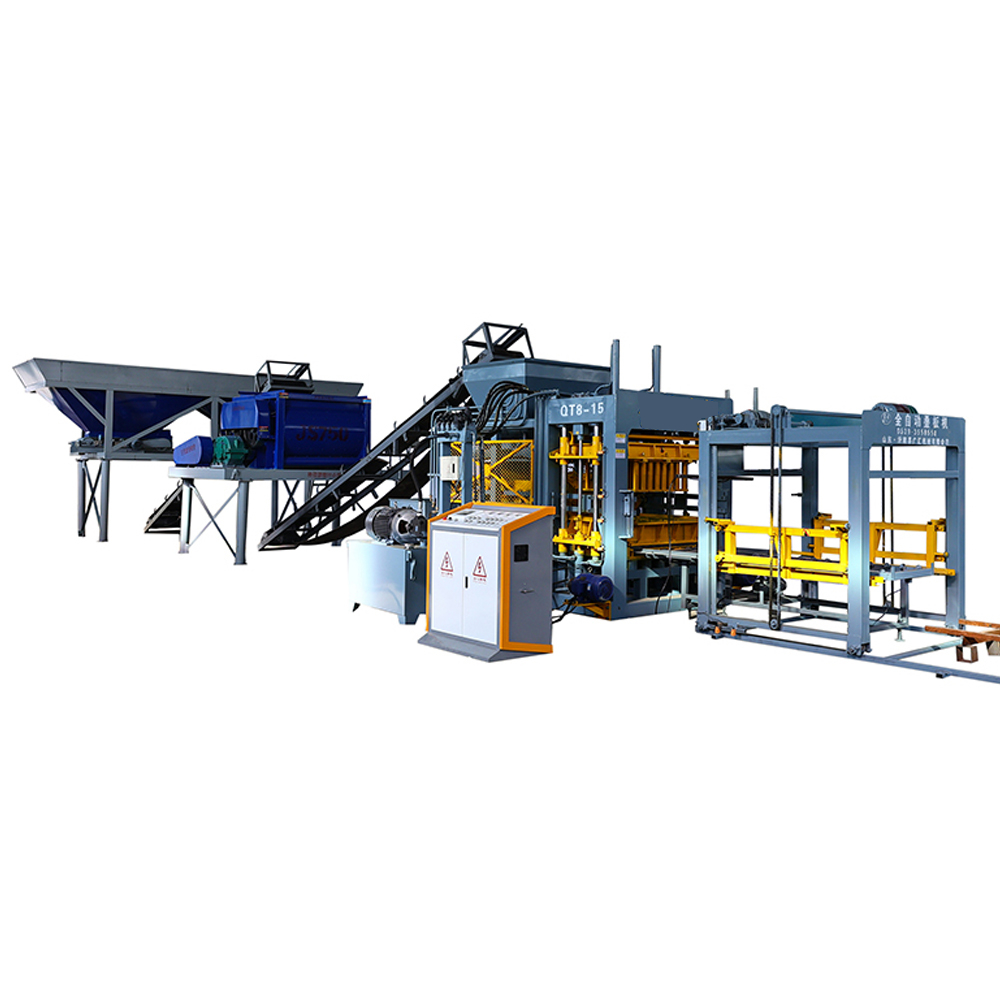
Concrete blocks are an essential building material in the construction industry and the production of these blocks requires the use of specialized machinery such as cement block making machines and block press machines. These machines play a vital role in the manufacturing process, ensuring efficient and precise production of high-quality concrete blocks. In this article, we will explore the reasons why concrete blocks need to be produced and the implications of using advanced machinery in the process.
The production of concrete blocks is crucial for many reasons. First, concrete blocks are widely used in the construction of residential, commercial, and industrial structures. They are the primary building material for walls, foundations, and other structural elements, providing strength, durability, and insulation. Additionally, concrete blocks are favored for their fire-resistant and soundproofing properties, making them ideal for building safe and comfortable buildings.
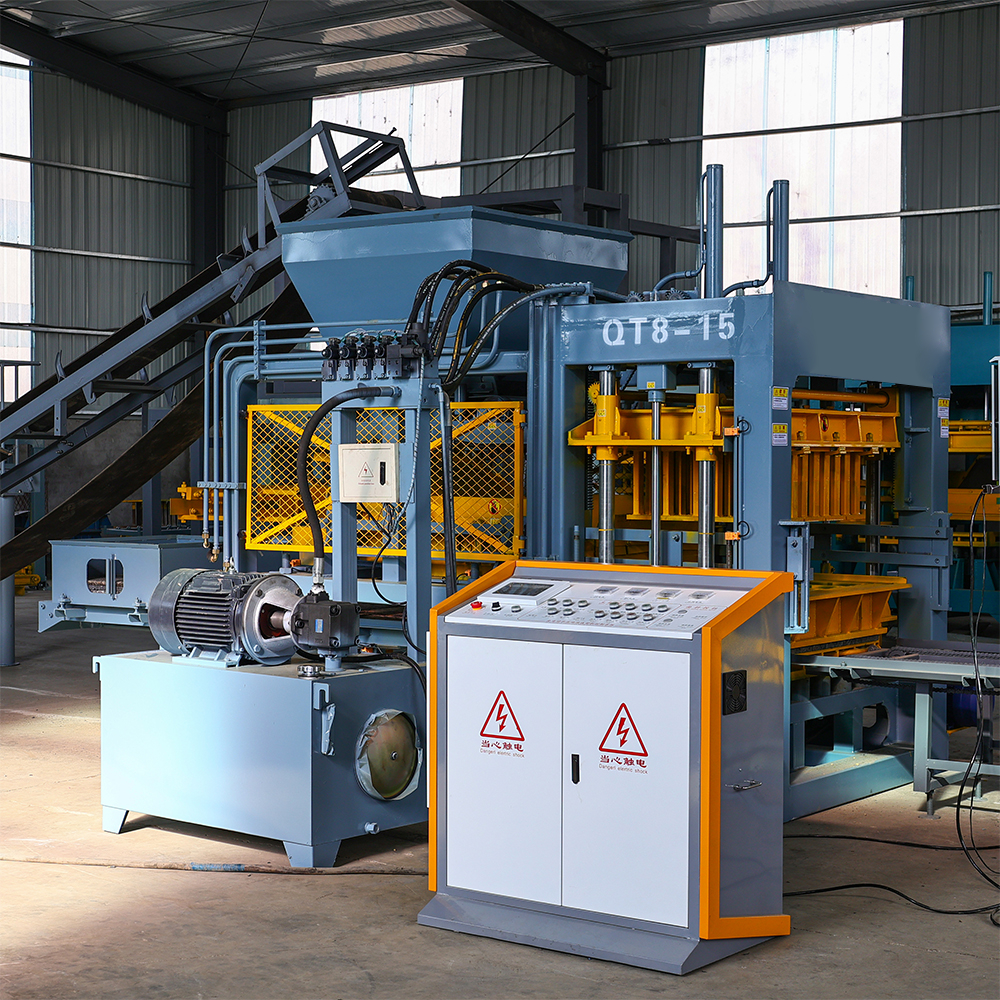
Additionally, concrete blocks are known for their versatility and ease of use. They can be easily customized to meet specific design requirements, allowing a variety of architectural styles and finishes to be created. As the demand for sustainable and energy-efficient building practices continues to increase, concrete blocks have become a popular choice due to their ability to improve a building's energy performance and reduce its environmental impact.
To meet the growing demand for concrete blocks, the use of advanced machinery like cement block making machines and block presses is essential. These machines are designed to automate and streamline the block production process, resulting in increased productivity, consistent quality and cost-effectiveness. The cement block making machine is responsible for mixing raw materials such as cement, sand, aggregate and water to form a uniform mixture, which is then fed into the briquetting machine.
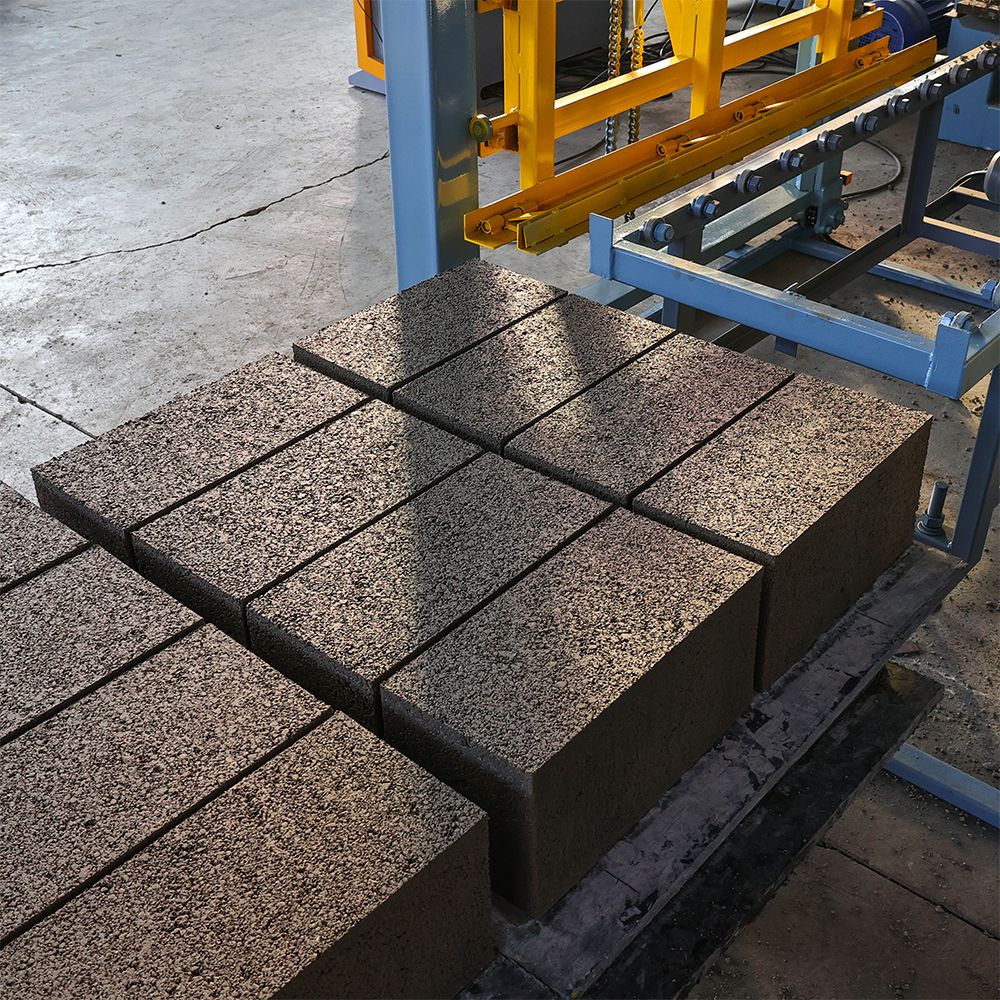
Furthermore, the use of advanced machinery in concrete block production offers many benefits. It improves the overall quality of the blocks by minimizing changes in size, density and strength, thereby ensuring the structural stability and durability of the buildings being constructed. In addition, the automation of the production process reduces labor costs and increases production capacity, thereby increasing output and improving market competitiveness.
In conclusion, the production of concrete blocks is crucial to meet the needs of the construction industry and the use of advanced machinery such as cement block making machines and block presses is crucial to ensure efficient and high-quality production. The importance of concrete blocks in sustainable and resilient building practices cannot be overstated as the construction industry continues to evolve, making the role of specialized machinery indispensable in its production. By investing in modern manufacturing technologies, the industry can continue to meet the growing demand for concrete blocks while adhering to safety, performance and environmental responsibility standards.


