

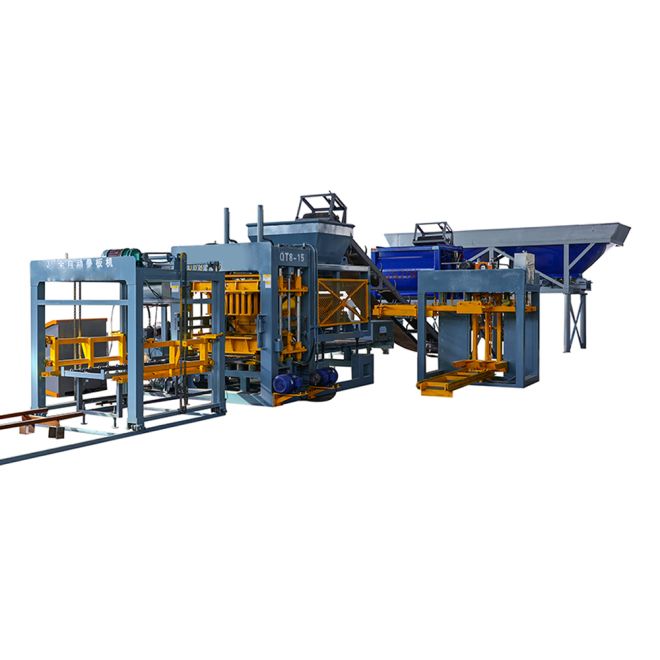
Your workshop sounds like a rock concert of bricks: mixers screaming, pallets piling up, and you juggling schedules like a circus act, all while wondering how an automatic block production line actually works.
To calm the chaos, understand each step—mixing, molding, curing, stacking—and let automation handle timing and precision; this ISO concrete production guideline shows how standardized processes boost efficiency and cut errors.
🧱 Overview of Automatic Block Production Line Structure and Workflow
The automatic block production line links raw material handling, molding, curing, and stacking into one smooth, controlled system that cuts labor and boosts output.
With a smart layout, the line keeps pallets, concrete mix, and finished blocks moving in a stable rhythm, helping factories improve quality and lower production cost.
1. Main Components of the Production Line
The line usually includes batching system, mixer, feeder, block machine, conveyor, curing racks, stacker, and pallet return unit.
- Batching and weighing equipment
- High‑efficiency concrete mixer
- Automatic block making machine
- Hydraulic stacker and pallet system
2. Linear and U-Shaped Layout Options
Plants can choose linear or U-shaped layouts to match land size, forklift flow, and curing yard planning while keeping logistics short and clear.
| Layout | Advantage |
|---|---|
| Linear | Straight flow, easy expansion |
| U-shaped | Shorter return path, saves space |
3. Integration with Different Block Machines
The line can match various models such as the QT416 QT418 hydraulic concrete block making machine automatic concrete block machine depending on output and product type.
4. Typical Daily Workflow
Operators start by loading materials, then the control system runs batching, mixing, feeding, molding, and stacking in cycles to maintain a steady working day.
⚙️ Raw Material Batching, Mixing, and Feeding Process in Detail
Accurate batching and mixing decide block strength and appearance. Automatic systems weigh cement, sand, stone, and additives before feeding them into the mixer.
Good feeding ensures the concrete fills the mold evenly, which helps avoid cracks, empty corners, and size differences in finished products.
1. Proportioning and Weighing Accuracy
The control system sets recipes for different blocks and records real-time material weights for quality tracking and later optimization.
| Material | Typical Share (%) |
|---|---|
| Cement | 8–15 |
| Sand | 30–40 |
| Stone | 40–55 |
| Additives/Water | Balance |
2. Mixing Time and Uniformity Control
High‑speed mixing usually takes 30–90 seconds. Sensors and timers help keep the mix even, moist, and suitable for vibration forming.
3. Feeding System and Mold Filling
The feeding cart or belt sends concrete into the mold box. The system controls speed and height to avoid segregation and waste.
- Adjustable feeding speed
- Controlled material level in hopper
- Reduced material loss and cleaning time
4. Data Analysis Example for Batching Efficiency
The following ECharts bar chart example shows how a plant might track hourly output from the batching section for process improvement.
🚧 Block Molding, Compaction, and Vibration Forming Mechanism
During molding, the machine fills each mold cavity, vibrates and presses the mix, and quickly forms dense, strong concrete blocks.
Stable vibration and accurate pressure help reduce broken blocks and keep the same height and weight for every product batch.
1. Feeding into Mold Cavities
The feeder spreads the mix across the mold, then scrapers level the surface to prepare for vibration and hydraulic pressing.
2. Vibration and Hydraulic Compaction
Motors drive table vibration while cylinders press from above. Correct frequency and force make compact, low‑void blocks.
- Adjustable vibration frequency
- Controlled pressing time
- Lower cement use for same strength
3. Product Range and Mold Change
By changing molds, the same line can make hollow blocks, pavers, and solid bricks, similar to a QT6-15 hydraulic block machine fully automatic hollow block machine.
🔄 Curing, Stacking, and Pallet Circulation in Continuous Operation
After demolding, green blocks move to curing areas by elevator and stacker, then return pallets keep the line running without long stops.
Well-planned circulation saves pallets, reduces forklift trips, and keeps the blocks safe during early strength growth.
1. Curing Methods and Time
Plants can use natural curing or steam curing. Steam rooms shorten curing time and make strength more stable across seasons.
| Method | Typical Time |
|---|---|
| Natural | 24–48 hours |
| Steam | 8–24 hours |
2. Automatic Stacking and De-Stacking
Stackers place pallets in racks layer by layer, then remove cured blocks for packing. This reduces labor and handling damage.
3. Pallet Cleaning and Return Loop
Brushes clean pallets before they go back to the block machine, improving mold filling quality and extending pallet service life.
🏭 Intelligent Control Systems and Why Choose Aichen Production Lines
Modern lines use PLC and touch screens to manage recipes, alarms, and output data, cutting errors and making operation easy to learn.
Aichen production lines offer reliable components, clear control logic, and wide mold choices for different markets and budgets.
1. Central PLC and Remote Monitoring
The PLC links all sections so operators can change settings, view faults, and check output on one panel or remote device.
2. Energy Saving and Cost Control
Smart drives adjust motor speed, which lowers power use per block. Saved power reduces long‑term production cost and improves payback.
- Optimized motor start/stop
- Reduced idle running
- Better maintenance planning
3. Matching the Right Model to Your Market
Aichen helps match line design with machines such as a high‑output paver unit similar to QT8-15 paver block machine cost analysis for city paving projects.
Conclusion
An automatic block production line joins batching, molding, curing, and stacking into one controlled system. It raises output, improves block quality, and lowers labor needs.
By using stable vibration, accurate batching, and smart controls, producers can serve different block markets while keeping cost and energy use under control.
Frequently Asked Questions about automatic block production line
1. What is an automatic block production line?
It is a full set of equipment that automatically handles raw material batching, mixing, molding, curing, and stacking to produce concrete blocks with less labor.
2. What raw materials can it use?
The line can use cement, sand, crushed stone, fly ash, slag, and other industrial waste, as long as the grading and moisture are well controlled.
3. How many workers are usually needed?
A typical fully automatic line needs 3–6 workers per shift for material loading, forklift work, quality checks, and machine monitoring.
4. How do I choose block machine capacity?
You should check local market demand, block types, land size, and budget. Then select a machine model that meets daily output and product range needs.
5. How long is the payback period?
Payback depends on local selling price, raw material cost, and output. Many plants recover investment within 1–3 years with stable orders.


