

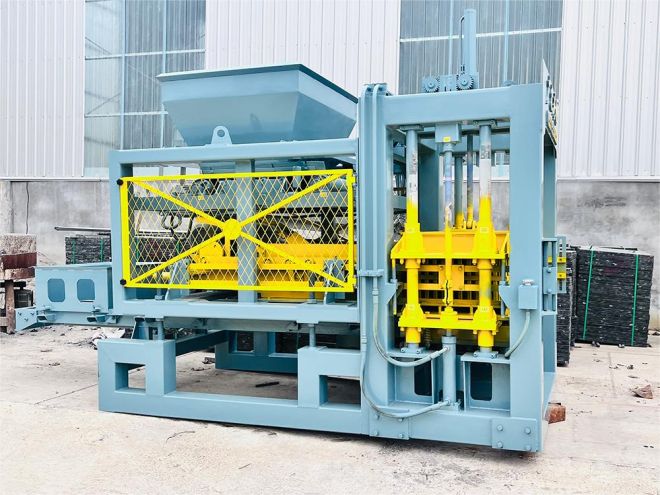
Choosing a hydraulic fully automatic block machine can feel like dating a robot: expensive, confusing, and you’re never sure who’s really in control—you or the control panel.
This 2026 buying guide turns chaos into clear steps, backed by UNIDO’s industrial equipment reports.
🧱 Key Technical Features of 2026 Hydraulic Fully Automatic Block Machines
Hydraulic fully automatic block machines in 2026 focus on higher strength blocks, smart control, and lower energy use. They help factories cut labor and improve quality.
When you compare options, review vibration power, hydraulic pressure, automation level, and build quality. These details decide daily output, block density, and long‑term stability.
1. Advanced Hydraulic and Vibration System
Modern machines use proportional valves and strong vibration tables to form dense, crack‑free blocks, even with different raw materials like sand, gravel, and fly ash.
- High hydraulic pressure for strong blocks
- Variable vibration frequency and amplitude
- Quick cycle times for higher productivity
2. Smart PLC Control and User Interface
Touchscreen PLC panels let operators set recipes, store production curves, and track error codes, reducing learning time and downtime during daily shifts.
- One‑touch start and stop
- Production data display
- Remote fault diagnosis (optional)
3. Frame, Wear Parts, and Durability
Heavy steel frames and hardened liners protect key moving parts. This lowers vibration fatigue, keeps alignment, and extends mold and machine life.
| Part | Recommended Spec |
|---|---|
| Main frame | Thick welded steel, stress relieved |
| Guide columns | Chrome plated, wear resistant |
| Linings | Replaceable alloy plates |
4. Typical 2026 Model Choices
Factory owners often compare mid‑to‑large models such as QT8-15 smart block machine cement block making machine price, QT5-15 concrete paver block machine cost of block moulding machine, and QT4-15 fully automatic solid block making machine block maker for sale for different output targets.
⚙️ Understanding Production Capacity, Molds, and Block Size Flexibility
Production capacity depends on block size, cycle time, and number of molds. A clear capacity plan helps you match machine choice to future demand.
Flexible molds let you produce hollow blocks, solid bricks, and pavers on one line, cutting investment risk and speeding market response.
1. Comparing Daily Output by Model
Use real cycle times, not only catalog data, when you estimate daily capacity at 8–20 working hours. Include changeover and maintenance breaks.
2. Mold Types and Changeover Time
Plan mold sets for your main products first, then add special molds later. Fast mold change saves hours each week and increases output.
- Standard hollow blocks
- Solid bricks and kerbstones
- Color pavers and grass blocks
3. Block Size Range and Market Fit
Check the supported block height and area. Make sure the machine covers local popular sizes so you can serve both housing and paving projects.
4. Cost per Block and ROI Analysis
Calculate cost per block including cement, sand, power, labor, and mold wear. This gives a clear payback period and realistic profit forecast.
| Item | Impact on Cost |
|---|---|
| Cycle time | Shorter cycle lowers cost |
| Mold life | Longer life cuts tooling cost |
| Power use | Efficient motors save energy |
💧 Hydraulic System Performance, Energy Efficiency, and Stability Considerations
The hydraulic system drives pressing force and motion accuracy. In 2026, stable pressure control and energy‑saving pumps are key for every investor.
Focus on pump type, valve quality, oil cooling, and leak‑free piping. These factors decide uptime, noise, and energy bills.
1. Hydraulic Components and Design
Choose branded pumps, valves, and seals. A clean tank, proper filtration, and correct hose routing prevent heat, leaks, and sudden breakdowns.
- Pressure gauges at key points
- Automatic oil filtration
- Easy access for service
2. Energy‑Saving Technologies
Variable‑frequency drives and load‑sensing pumps cut idle power use. This reduces cost per block while keeping full pressing force when needed.
| Feature | Benefit |
|---|---|
| VFD on motors | Lower start current and noise |
| Smart standby mode | Saves power between cycles |
3. Stability, Noise, and Maintenance
Low vibration, smooth cylinder motion, and proper damping keep noise down and protect parts. Plan routine oil changes and yearly seal checks.
🏭 Site Planning, Supporting Equipment, and Labor Requirements for Smooth Operation
A good block plant layout reduces waste moves and accidents. Plan space for raw materials, curing, and finished block stacking from day one.
Supporting equipment and trained workers help your hydraulic fully automatic block machine run at stable capacity with fewer stoppages.
1. Plant Layout and Space Planning
Keep material flow in one direction: aggregate in, mixing, forming, curing, then packing. Wide aisles support forklifts and pallet trucks.
- Solid concrete floor under the machine
- Covered area for cement and admixtures
- Drainage to avoid water pooling
2. Essential Supporting Equipment
Mixers, conveyors, pallet feeders, stackers, and curing racks must match machine speed; weak links will limit total plant capacity.
| Equipment | Role |
|---|---|
| Concrete mixer | Stable, even mix |
| Conveyor | Feed mix to hopper |
| Stacker | Automatic block stacking |
3. Labor Skill and Training
Even an automatic line needs skilled operators. Train staff on PLC use, quality checks, and safety so you avoid costly mistakes.
⭐ Why Aichen Is the Reliable Choice for Your 2026 Block Machine Needs
Aichen focuses on stable hydraulics, strict steel structures, and user‑friendly control systems. This helps you get consistent blocks and predictable profits.
With global installation support and clear after‑sales service, Aichen reduces startup risks for new investors and large ready‑mix groups alike.
1. Proven Designs and Real Project Cases
Aichen machines run in many climates, from hot coastal zones to cold inland regions, giving buyers real feedback on strength and durability.
- Reference sites for visits
- Shared mix ratios and curing tips
- Performance reports from users
2. Strong After‑Sales and Spare Parts Supply
Fast spare part shipping, online support, and optional on‑site engineers help keep your block line running with minimal unplanned downtime.
3. Customized Solutions for Different Markets
Aichen can adjust mold designs, stacking systems, and packaging to suit local block standards, labor costs, and raw material conditions.
Conclusion
Choosing a hydraulic fully automatic block machine in 2026 means balancing capacity, mold flexibility, and hydraulic efficiency with site and labor planning.
Compare real output, energy use, and support strength. A structured evaluation will guide you to a reliable machine that meets your long‑term business goals.
Frequently Asked Questions about hydraulic fully automatic block machine
1. How many workers do I need for a fully automatic block line?
Most medium plants need 4–7 workers per shift: one operator, one quality checker, and the rest for materials, pallet handling, and packing.
2. What power supply is usually required?
Most lines use three‑phase 380–440V, 50/60Hz. Check total installed power, then confirm with your local utility and electrician.
3. How long do block molds normally last?
With proper materials and care, molds can reach 80,000–120,000 cycles. Life changes with mix design, vibration settings, and cleaning habits.
4. Can one machine produce both hollow blocks and pavers?
Yes. By changing molds and adjusting mix and vibration, one hydraulic fully automatic machine can produce hollow blocks, solid bricks, and pavers.
5. How often should I change hydraulic oil?
Most makers suggest checking oil every month and changing it every 12–18 months, or sooner if tests show contamination or overheating.


