
Concrete blocks are integral to construction strategies worldwide. Their diversity and functionality have evolved over centuries, offering modern builders a versatile, robust solution for various applications. Within the realm of concrete blocks, commercial hollow blocks stand out for their unique properties and widespread utility. In this comprehensive guide, we will explore the essence of commercial hollow blocks, their types, benefits, structural advantages, technological advancements, and much more.
Introduction to Commercial Hollow Blocks
● Definition and Basic Characteristics
Commercial hollow blocks are precast concrete masonry units with significant voids or cavities within their structure. These blocks typically have a cross-sectional area with 25% to 50% hollow space. The cavities reduce the overall weight of the blocks without compromising their structural integrity, making them easier to handle and install.
● Historical Background in Construction
The usage of concrete blocks dates back to antiquity, with ancient civilizations leveraging their robustness and versatility. Modern hollow blocks, however, represent a significant advancement in design and application, allowing for more efficient construction methods. As construction demands evolved, hollow blocks became a preferred choice due to their innovative design and multifaceted utility.
Different Types of Concrete Blocks
● Comparison Between Hollow and Solid Blocks
Concrete blocks are broadly classified into hollow and solid types. While solid blocks are dense and heavy, typically used for applications such as paving walkways and constructing retaining walls, hollow blocks are characterized by their internal voids. These voids confer several advantages, including reduced weight and improved insulation properties.
● Common Uses and Applications
Commercial hollow blocks are extensively used in constructing fences, walls, and partitions. Their design allows for the integration of electrical wiring and plumbing within the cavities, providing a seamless solution for modern construction requirements. Hollow blocks also make it easier to reinforce structures with rebar, enhancing the overall strength and durability.
Advantages of Using Hollow Blocks
● Weight and Ease of Handling
One of the most significant advantages of commercial hollow blocks is their reduced weight compared to solid blocks. This makes them easier to handle, transport, and install, thereby reducing labor costs and construction time. The lighter weight also minimizes the load on the foundation, making them suitable for high-rise buildings.
● Versatility in Construction Projects
Hollow blocks offer remarkable versatility, accommodating a wide range of construction applications. Their ability to be shaped and customized makes them ideal for various architectural designs. Furthermore, hollow blocks are compatible with semi automatic hollow block machines, enabling more efficient production and consistency in quality.
Structural Benefits and Strengths
● Load-Bearing Capabilities
Despite their reduced weight, commercial hollow blocks possess impressive load-bearing capacities. The strategic placement of voids within the blocks ensures that they maintain structural integrity under pressure. This makes them suitable for load-bearing walls in both residential and commercial buildings.
● Reinforcement and Stability
Hollow blocks are designed to accommodate steel reinforcements within their cavities. When filled with concrete and rebars, they provide enhanced stability and resilience against natural forces such as wind and earthquakes. This feature makes them a popular choice among architects and engineers aiming to create robust and long-lasting structures.
Thermal and Acoustic Properties
● Insulation Benefits
The voids within commercial hollow blocks contribute to their superior thermal insulation properties. They help regulate indoor temperatures, making buildings more energy-efficient. This is particularly beneficial in regions with extreme weather conditions, as it reduces the need for additional heating or cooling systems.
● Sound Dampening Features
In addition to thermal insulation, hollow blocks offer excellent acoustic insulation. The cavities within the blocks disrupt sound waves, reducing noise transmission between rooms and from external sources. This makes them an ideal choice for residential buildings, schools, and hospitals where noise control is crucial.
Common Shapes and Their Uses
● Stretcher Blocks, Pillar Blocks, and Their Applications
Commercial hollow blocks come in various shapes, each tailored for specific applications. Stretcher blocks are commonly used for general wall construction, while pillar blocks are designed for vertical supports. This diversity in shapes allows for greater flexibility and efficiency in construction projects.
● Specialized Shapes Like Lintel and Corner Blocks
Alongside standard shapes, specialized hollow blocks such as lintel and corner blocks are available. Lintel blocks are used over doors and windows to distribute the load, while corner blocks provide structural integrity at building corners. These specialized shapes enhance the functionality and versatility of hollow blocks in construction.
Installation and Labor Requirements
● Masonry Skills and Expertise Needed
Although commercial hollow blocks simplify construction, their installation still requires skilled masonry labor. Professional masons have the expertise to ensure the blocks are laid correctly, maintaining structural integrity and aesthetic appeal. Proper installation is crucial to leverage the full benefits of hollow blocks.
● Tools and Materials for Installation
The installation of hollow blocks involves specific tools and materials. Semi automatic hollow block machines streamline the production process, ensuring consistent quality and dimensions. Additional materials such as mortar, rebar, and concrete fillers are essential for creating strong, reinforced structures.
Economic and Environmental Impact
● Cost-Effectiveness in Construction
Commercial hollow blocks offer significant cost advantages over traditional construction methods. Their reduced weight lowers transportation costs, and their ease of installation cuts down labor expenses. The use of semi automatic hollow block machines in manufacturing further drives down costs by automating and accelerating the production process.
● Sustainable and Green Building Practices
Hollow blocks are an eco-friendly choice in construction. They are often made from recyclable materials and contribute to sustainable building practices. The energy efficiency and thermal insulation properties of hollow blocks reduce the overall carbon footprint, promoting greener construction solutions.
Technological Advancements in Hollow Blocks
● Modern Innovations Like Insulated Concrete Forms (ICF)
Technological advancements have led to the development of Insulated Concrete Forms (ICF), an upgrade from traditional hollow blocks. ICF blocks consist of lightweight foam with a hollow cavity, filled with concrete and reinforced with steel. They offer superior insulation and strength, making them a preferred choice for energy-efficient and robust constructions.
● Integration with Other Construction Materials
Modern hollow blocks are designed to integrate seamlessly with other construction materials. This compatibility enhances their versatility, allowing for innovative architectural designs and construction techniques. The use of semi automatic hollow block machines also ensures that blocks can be customized to meet specific project requirements.
Case Studies and Practical Applications
● Examples of Successful Projects
Several high-profile construction projects have successfully utilized commercial hollow blocks. These case studies demonstrate the blocks' versatility, strength, and efficiency in real-world applications. Whether used in residential buildings, commercial complexes, or infrastructural developments, hollow blocks have proven their worth time and again.
● Lessons Learned and Best Practices
Analyzing successful projects reveals valuable lessons and best practices for using hollow blocks. From the importance of skilled labor to the benefits of using semi automatic hollow block machines, these insights help optimize construction processes and maximize the advantages of hollow blocks.
The Role of Semi Automatic Hollow Block Machines
● Enhancing Production Efficiency
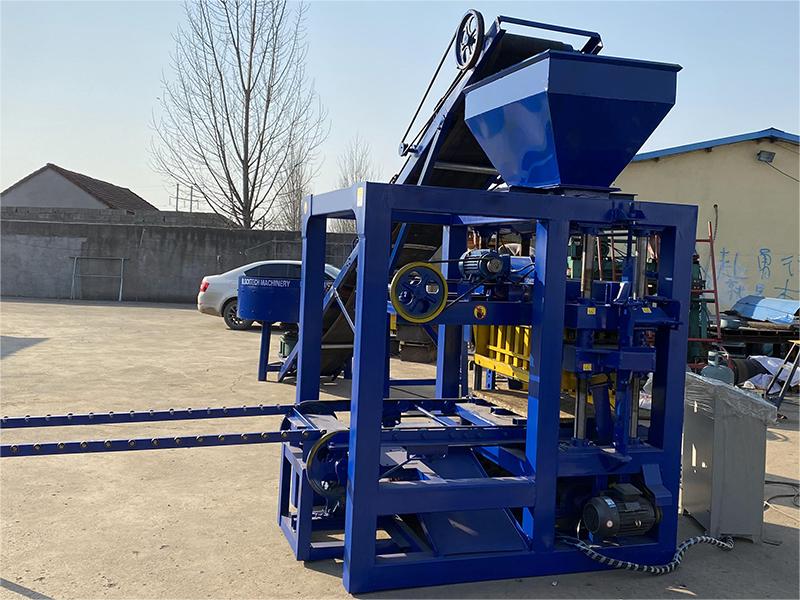
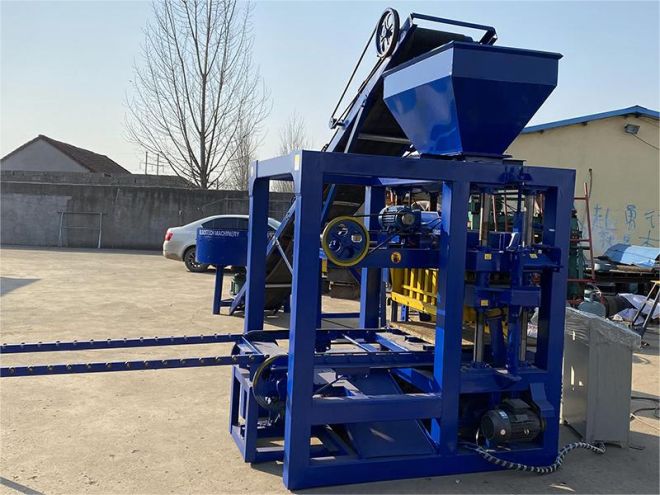
Semi automatic hollow block machines play a crucial role in the production of commercial hollow blocks. These machines automate key processes, enhancing production efficiency and ensuring consistent block quality. They reduce manual labor, minimize errors, and accelerate manufacturing timelines.
● Customization and Flexibility
Semi automatic hollow block machines offer customization options, allowing manufacturers to produce blocks in various shapes and sizes. This flexibility meets diverse construction needs, enabling architects and builders to choose the most suitable blocks for their projects. Custom semi automatic hollow block machines can be tailored to specific requirements, further enhancing their utility.
● Leading Suppliers and Manufacturers
Several leading suppliers and manufacturers specialize in semi automatic hollow block machines. These companies provide high-quality equipment, ensuring reliable performance and durability. Choosing a reputable semi automatic hollow block machine supplier guarantees access to the latest technology and comprehensive support services.
Aichen: Pioneers in Concrete Machinery
Changsha Aichen, located in Changsha city, Hunan province of China, has been at the forefront of concrete block making machines since 1999. Aichen manufactures a wide selection of concrete-product machines and block production lines, including semi automatic block machines, multifunction block machines, and more. Utilizing the latest global technology and quality management standards, Aichen produces various concrete masonry products for diverse applications. Committed to customer service and satisfaction, Aichen provides comprehensive support from product selection to setup and training. Reach out to Aichen for all your concrete machinery needs.