

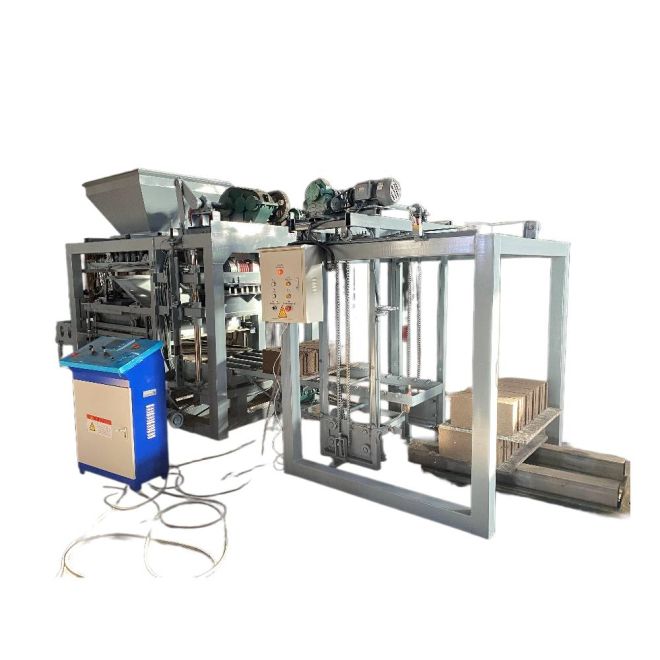
Introduction to Brick Machine Weights
The weight of a brick machine is a crucial factor to consider for anyone involved in the construction industry. Understanding how much a brick machine weighs can help you make informed decisions regarding its transportation, installation, and overall operational efficiency. This article aims to provide you with comprehensive information on the weight of various brick machines, focusing on factors that affect the weight, different types of machines, and how weight impacts performance and costs. Additionally, we will explore several key aspects related to brick making machine prices, including wholesale brick making machine prices, brick making machine price manufacturers, and brick making machine price suppliers.
Factors Affecting the Weight of Brick Machines
● Machine Size and Dimensions
One of the most apparent factors affecting the weight of a brick machine is its size and dimensions. Larger machines designed for high-volume production naturally weigh more due to their more massive frames and larger components. These machines often include extensive conveyor systems, large hoppers, and robust hydraulic systems, all of which contribute to their overall weight.
● Materials Used in Construction
The materials used in the construction of brick machines significantly influence their weight. High-quality machines are generally made from durable materials such as high-strength steel and heavy-duty alloys. These materials ensure the machine’s longevity and performance but also add considerable weight. On the other hand, machines made from lighter materials may be easier to transport but could be less durable and efficient.
Types of Brick Machines and Their Weights
● Fully Automatic Machines
Fully automatic brick machines are among the heaviest in the market. These machines are designed to operate continuously without manual intervention, and they come equipped with advanced features like PLC control units, servo motors, and extensive hydraulic systems. The weight of fully automatic brick machines can range from 10,000 kg to over 20,000 kg, depending on the model and its capabilities.
● Semi-Automatic Machines
Semi-automatic brick machines are generally lighter than their fully automatic counterparts. These machines require some level of manual intervention, which reduces the need for extensive automation components. Typically, the weight of semi-automatic brick machines ranges from 5,000 kg to 10,000 kg. While they may not offer the same level of efficiency as fully automatic machines, they are more affordable and easier to maintain.
Components Influencing Brick Machine Weight
● Hydraulic Systems
Hydraulic systems are critical for the operation of brick machines, especially those designed for high-volume production. These systems include hydraulic pumps, motors, and cylinders, all of which add significant weight to the machine. High-capacity hydraulic systems, capable of producing large quantities of bricks per hour, are generally heavier than smaller, less powerful systems.
● Electric Control Panels
Electric control panels and PLC units are essential for automating the brick-making process. These components consist of various electronic parts, wiring, and control units, which contribute to the overall weight of the machine. Advanced control systems with multiple features and diagnostic capabilities are typically heavier than simpler, less sophisticated versions.
Comparative Weights of Different Models
● Small vs. Large Scale Machines
When comparing small-scale and large-scale brick machines, the difference in weight is substantial. Small-scale machines, designed for limited production volumes, are lighter and more portable. They typically weigh between 1,000 kg and 5,000 kg. In contrast, large-scale machines, intended for industrial use, can weigh upwards of 20,000 kg. These machines are built to handle extensive production demands and feature robust components that add to their weight.
● Domestic vs. Industrial Models
Domestic brick machines, designed for small to medium-sized construction projects, are generally lighter and more compact. These machines weigh between 1,000 kg and 7,000 kg. Industrial models, on the other hand, are engineered for large-scale operations and weigh significantly more, often exceeding 15,000 kg. The increased weight of industrial models is due to their larger size, more powerful hydraulic systems, and advanced automation features.
Weight Specifications for Standard Models
● Typical Weight Ranges
Standard brick machines come in various weight ranges, depending on their specifications and intended use. For instance, a standard semi-automatic brick machine may weigh between 3,000 kg and 8,000 kg, while a fully automatic machine can weigh from 10,000 kg to over 20,000 kg. These weight ranges provide a general idea of what to expect when purchasing a brick machine, helping buyers make informed decisions.
● Examples from Popular Models
Popular models of brick machines often fall within the standard weight ranges mentioned above. For example, the fully automatic brick machine weighs approximately 11,000 kg, making it suitable for large-scale production. Another notable model, even heavier, weighing around 20,000 kg, and is designed for extensive industrial use.
Impact of Weight on Machine Performance
● Stability and Efficiency
The weight of a brick machine plays a crucial role in its stability and efficiency. Heavier machines are generally more stable, reducing the risk of vibrations and mechanical failures during operation. This stability enhances the machine's efficiency by ensuring consistent production quality and minimizing downtime. However, the weight also makes these machines more challenging to transport and install.
● Transportation and Installation Challenges
Transporting and installing heavy brick machines present several challenges. Specialized equipment, such as cranes and heavy-duty trucks, is often required to move these machines to their installation site. Additionally, the installation process may require reinforced foundations and extensive preparation to ensure the machine's stability. These factors contribute to the overall cost and complexity of setting up a heavy brick machine.
Weight and Cost Considerations
● How Weight Affects Pricing
The weight of a brick machine directly impacts its price. Heavier machines, made from high-quality materials and featuring advanced components, are generally more expensive. The additional costs associated with transporting and installing these machines also contribute to their higher price. When considering a brick making machine price, it is essential to factor in these weight-related expenses to get a complete understanding of the total investment required.
● Long-Term Cost Implications
While heavier machines may have a higher upfront cost, they often offer long-term benefits that can offset these initial expenses. Their durability and efficiency can lead to reduced maintenance costs and improved production rates, providing a better return on investment over time. Additionally, the stability and robustness of heavier machines can minimize downtime and enhance overall operational efficiency.
Maintenance and Operational Weight Factors
● How Weight Influences Maintenance
The weight of a brick machine can influence its maintenance requirements. Heavier machines, built with robust materials and components, are generally more durable and less prone to wear and tear. This durability can result in lower maintenance costs and longer service intervals. However, when maintenance is required, the sheer weight of the machine may necessitate specialized equipment and expertise, potentially increasing maintenance complexity and costs.
● Operational Advantages and Disadvantages
Operational advantages of heavier brick machines include enhanced stability, consistent production quality, and improved efficiency. These machines are designed to handle large production volumes, making them ideal for industrial applications. On the downside, the weight of these machines can pose logistical challenges, such as transportation and installation difficulties, and may require reinforced foundations and specialized handling equipment.
Conclusion: Choosing the Right Brick Machine Weight
● Balancing Weight with Other Factors
When choosing a brick machine, it is essential to balance the weight of the machine with other factors such as production capacity, cost, and maintenance requirements. Heavier machines offer several advantages, including stability, durability, and efficiency, but they also come with higher costs and logistical challenges. Lighter machines may be more affordable and easier to transport, but they may not offer the same level of performance and longevity.
● Final Recommendations for Buyers
For buyers looking to invest in a brick machine, it is crucial to consider the specific needs of their operation. Industrial-scale operations may benefit from the stability and efficiency of heavier machines, while small to medium-sized projects may prefer the affordability and portability of lighter models. When evaluating brick making machine prices, it is also essential to consider wholesale brick making machine prices, brick making machine price manufacturers, and brick making machine price suppliers to find the best options available.
● About Aichen
Aichen is a leading manufacturer of high-quality brick making machines, offering a wide range of models to suit various production needs. With a commitment to innovation and customer satisfaction, Aichen provides comprehensive support, including custom design, installation, and training. Whether you are looking for a fully automatic machine or a more affordable semi-automatic model, Aichen has the expertise and experience to help you find the perfect solution for your brick-making needs.


