
You’re stuck between automatic and manual block machines, scrolling specs at 2 a.m., wondering if you’re buying high-tech magic or an expensive brick-shaped headache.
Relax—compare costs, output, and labor needs, then match them to your production goals, using data-backed benchmarks from reports like this FAO concrete block production guide.
🧱 Key Differences Between Automatic and Manual Block Machines
Automatic and manual block machines shape concrete blocks in very different ways. Your choice affects speed, labor needs, quality, and long‑term profit.
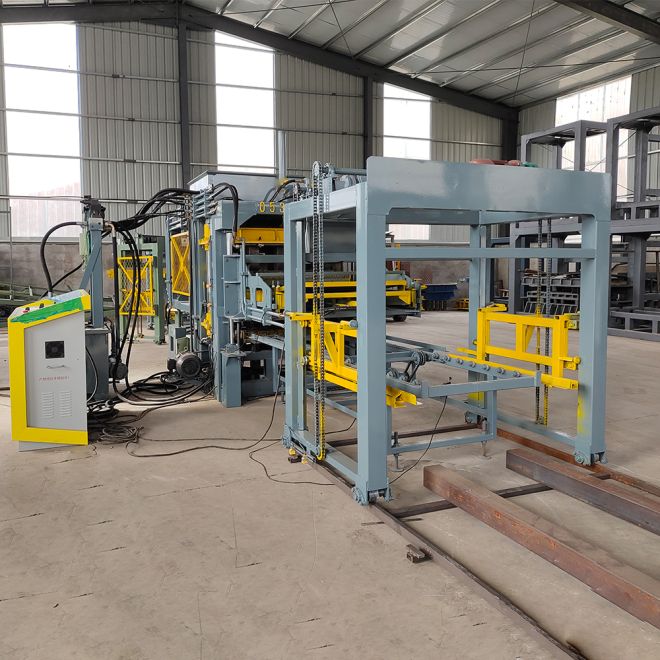
Automatic models like the qt5 15 block making machine automatic concrete block making machine use motors and PLC control, while manual machines rely mainly on human force and simple levers.
1. Operation and Control
Automatic machines use programmed control systems. Operators set mix, vibration, and cycle time from a panel. Manual machines need hands‑on control for every step.
- Automatic: preset cycles, touch panel, less operator skill
- Manual: lever or hand compaction, more operator skill
2. Output Capacity
Automatic machines can run many cycles per hour. Manual machines output far fewer blocks because workers must load, press, and remove each mold by hand.
| Type | Approx. Daily Output* |
|---|---|
| Automatic | 8,000–30,000 blocks |
| Manual | 800–2,000 blocks |
3. Block Quality and Precision
Automatic machines keep vibration, pressure, and filling level stable, which improves strength and shape. Manual machines often show more size and density variation.
- Better edge finish with automatic systems
- Manual units depend heavily on worker skill and timing
4. Investment and Skill Requirements
Manual block machines cost less at the start but need more labor. Automatic lines need higher investment but fewer, better‑trained operators.
- Manual: low capital, high labor cost
- Automatic: higher capital, strong long‑term savings
⚙️ How Automatic Block Machines Improve Productivity and Consistency
Automatic machines use sensors, hydraulic power, and PLC logic to keep each production cycle stable. This boosts total output and reduces rejected blocks.
Models such as the QT6-15 hollow block machine cost concrete block manufacturing equipment can run long shifts with little downtime and very uniform quality.
1. Faster Cycle Times
Automatic machines finish filling, vibrating, and demolding in seconds. Shorter cycles mean more blocks per hour without pushing workers too hard.
- Automatic cycle: about 15–25 seconds
- Manual cycle: 45–90 seconds or more
2. Lower Labor per Block
Automation lets one operator manage feeding, molding, and stacking. This sharply lowers labor cost per block over the life of the machine.
| Machine Type | Workers Needed |
|---|---|
| Automatic line | 2–4 workers |
| Manual setup | 5–10 workers |
3. Stable Quality with Less Waste
Because the machine controls vibration time and pressure, strength and size stay consistent. Less waste means more saleable blocks per batch.
4. Sample Productivity Comparison (Bar Chart)
The chart below compares daily output of a typical manual machine and an automatic line under similar working hours.
🪚 Manual Block Machines: Benefits, Limitations, and Ideal Use Cases
Manual block machines remain useful for very small projects, remote sites, and startups with limited capital but plenty of available labor.
They allow entry into block production at low cost, though they limit growth speed and quality control compared to automatic lines.
1. Key Benefits of Manual Machines
Manual systems appeal to new builders and rural producers who want to test the market before investing in a full automatic plant.
- Very low purchase cost
- Simple to install and move
- Easy basic maintenance with hand tools
2. Main Limitations
Low speed, high labor demand, and unstable quality can limit profit. Fatigue and human error often increase breakage and returns.
| Limitation | Impact |
|---|---|
| Slow output | Hard to meet large orders |
| Uneven compaction | Blocks may vary in strength |
| High labor need | Higher running cost per block |
3. Best Use Cases
Manual machines fit small housing projects, seasonal jobs, and training centers where budget is tight and local labor is easy to hire.
- Small contractors building a few houses per year
- NGO or community projects in remote regions
- Test production before upgrading to automatic lines
📊 Cost, Maintenance, and Energy Use: Automatic vs Manual Comparison
Total cost includes more than the machine price. You must also weigh energy use, spare parts, service needs, and long‑term labor expense.
A clear comparison helps you decide whether an advanced automatic line or a basic manual unit fits your budget and growth plan.
1. Initial and Long‑Term Cost
Manual units cost far less upfront, but automatic lines usually deliver lower cost per block once you consider volume and labor savings.
| Factor | Manual | Automatic |
|---|---|---|
| Upfront price | Low | Medium–High |
| Cost per block | High | Low |
2. Maintenance Needs
Manual machines have fewer moving parts, but automatic systems from brands like Aichen are designed for fast maintenance and long service life.
- Manual: simple greasing and bolt checks
- Automatic: scheduled service, hydraulic oil changes, sensor checks
3. Energy Consumption
Manual machines use little or no power but need more workers. Automatic machines use more energy yet reduce labor and time per block.
- Manual: low kWh, high human effort
- Automatic: higher kWh, strong output per kWh
🏭 Choosing the Right Machine for Your Project: Why Aichen Stands Out
Your best machine depends on project size, budget, power supply, and target products such as pavers, hollow blocks, or solid bricks.
Aichen offers a full range of automatic and semi‑automatic models, including the qt815 QTJ815 hydraulic paver block making machine for high‑value paving production.
1. Match Machine to Production Goals
Define your daily output and future growth. This helps you select between a basic starter unit and a high‑capacity automatic line.
- Up to 2,000 blocks/day: consider manual or small semi‑auto
- Over 5,000 blocks/day: choose automatic solutions
2. Why Aichen Machines Perform Well
Aichen focuses on strong frames, stable hydraulics, and user‑friendly controls that help you run steady production with less downtime.
- Durable steel structure
- Reliable hydraulic systems
- Easy‑to‑learn control interface
3. After‑Sales Support and Training
Good support is as important as the machine. Aichen offers installation guidance, training, and spare parts to keep your line productive.
- On‑site or remote setup assistance
- Operator training for better output
- Fast response for parts and service
Conclusion
Automatic block machines deliver higher output, better quality, and lower long‑term cost, making them ideal for serious producers and growing builders.
Manual machines still suit small, remote, or entry‑level projects. By comparing cost, capacity, and support, you can choose a solution that protects profit and quality.
Frequently Asked Questions about block machine manufacturer
1. How do I choose a reliable block machine manufacturer?
Check factory scale, customer reviews, export history, and certifications. Ask for layouts, test videos, and clear warranty terms before you confirm the order.
2. What support should a manufacturer provide after purchase?
A strong manufacturer offers installation help, operator training, spare parts, and online or on‑site service to solve issues quickly and reduce downtime.
3. How long does a quality block machine usually last?
With correct mix design, regular greasing, and timely part replacement, a well‑built machine can run efficiently for 8–15 years or even longer.
4. Can I upgrade from manual to automatic later?
Yes. Many producers start with a small unit, then add automatic feeders, stackers, and larger presses as demand and budget grow.
5. What information should I share to get a correct quote?
Provide your target block types, daily capacity, available land, power supply, and budget range so the manufacturer can design a suitable solution.


