
Your calculator is tired, your budget spreadsheet looks like modern art, and the 2026 hydraulic block line still won’t tell you if it will pay for itself before retirement.
This cost and ROI guide, plus McKinsey’s manufacturing ROI report, helps you estimate investment, payback period, and profit with clear, simple numbers.
🔹 Key Cost Components of a Hydraulic Block Production Line in 2026
In 2026, investors must look beyond machine price and evaluate total system cost, including land, infrastructure, automation, and local inputs. This helps avoid hidden expenses.
Careful cost planning lets you compare lines, such as mid-range semi-automatic systems and advanced full-automatic units, and match them with your market demand and funding capacity.
1. Equipment Purchase and Automation Level
Machine price changes with capacity and automation. Higher output and smarter controls usually lower cost per block, even if the initial price is higher.
- Entry hydraulic lines: lower price, higher labor
- Mid-level lines: balanced cost and capacity
- Fully automatic lines: best for large, stable demand
2. Civil Works, Land, and Installation
Foundation, workshop, and utilities often add 15–30% to total project cost. Strong layouts also cut handling time and product damage.
| Item | Typical Share of CAPEX |
|---|---|
| Workshop & foundations | 10–20% |
| Power, water, air | 3–7% |
| Installation & training | 2–5% |
3. Molds, Mixers, and Material Handling
Good molds and mixers impact density, strength, and finish. They also decide how many SKUs you can profitably offer in one line.
- Mold sets for key sizes and pavers
- Concrete mixer and batching system
- Conveyors, pallet feed, stacking system
4. Recommended Model Selection in 2026
Match model to volume and budget. Many plants combine high output with full automation to secure stronger returns and stable quality.
| Model | Positioning |
|---|---|
| QT416 QT418 hydraulic concrete block making machine automatic paver block machine | Medium–high output plants |
| qt4-16 block machine hydraulic fully automatic block making machine | Popular full-auto starter line |
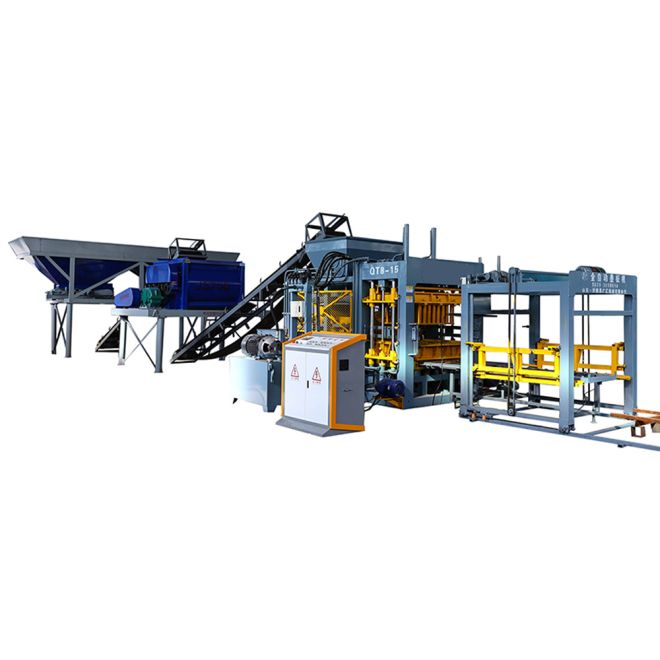
| QT8-15 automatic concrete block machine automatic paver machine | High-volume industrial projects |
🔹 Energy Consumption, Labor, and Maintenance Impacts on Operating Expenses
Operating expenses decide your long-term profit. Energy, labor, and maintenance can quickly exceed the initial machine cost over several years of heavy production.
Efficient hydraulic systems maintain stable pressure, reduce downtime, and keep block strength consistent, which supports better pricing and brand reputation in local markets.
1. Power Use and Energy Management
Hydraulic lines use motors, pumps, and vibration systems. Smart control of cycles and idle time can cut power cost by 10–20% per block.
- Use variable-frequency drives for motors
- Plan shift loading to avoid peak tariffs
- Maintain oil and filters for smooth running
2. Labor Structure and Skill Levels
Automation reduces operators per shift, but trained staff remain key for batching, mold changes, and quality checks. Clear roles control overtime and errors.
| Role | Typical Number / Shift |
|---|---|
| Machine operator | 1–2 |
| Mixer / batching worker | 1 |
| Forklift / yard staff | 1–3 |
3. Routine Maintenance and Spare Parts Planning
Planned maintenance lowers sudden breakdown risk. Simple daily checks protect hydraulic pumps, valves, and vibration units from costly early failure.
- Daily cleaning and lubrication
- Weekly inspection of hoses and seals
- Stock key wear parts and seals
4. Example Cost Breakdown with ECharts Visualization
Below is a simple sample of annual operating cost split. Adjust values to match your local energy and wage levels when planning ROI.
🔹 Calculating Payback Period, ROI, and Cash Flow Projections
In 2026, investors must build cash flow models that link daily output, selling price, and total costs to a clear, time-bound payback target.
1. Estimating Revenue Based on Capacity
Start with hourly output, working hours, and selling price per block. Then subtract rejects to get realistic monthly and annual sales revenue.
- Blocks / hour × hours / day × days / month
- Adjust for 3–5% breakage or rejects
- Multiply by net selling price
2. Payback Period and ROI Formula Basics
Payback equals total investment divided by average annual net profit. ROI equals annual net profit divided by total investment, expressed as a percentage.
| Metric | Simple Formula |
|---|---|
| Payback (years) | Investment ÷ Annual net profit |
| ROI (%) | (Net profit ÷ Investment) × 100 |
3. Cash Flow Planning and Risk Buffers
Build monthly cash flow with separate lines for loan payments, spare parts, and seasonal demand changes. Add buffer capital for at least six months.
- Include loan interest and principal
- Plan mold and repair spending annually
- Test best, base, and worst market cases
🔹 Productivity, Automation Level, and Quality Control Effects on Profitability
Higher productivity and stable quality improve plant margins. Automation reduces wasted materials and maintains uniform density, color, and strength on every shift.
1. Output per Shift and Utilization Rate
Real profit depends on how many quality blocks you ship, not on rated capacity. Track uptime to push utilization above 80% in steady markets.
| Factor | Impact |
|---|---|
| Cycle time | More cycles increase daily output |
| Changeover speed | Faster mold changes reduce downtime |
| Planned stops | Support cleaning without long delays |
2. Automation Features and Labor Savings
Automatic pallet feed, stacking, and wet-side handling reduce manual work and injury risk. This leads to lower labor cost per block over time.
- Auto feeding and weighing system
- Auto stacking and elevator systems
- Integrated PLC and touch screen controls
3. Quality Control Systems and Market Reputation
Simple tests at the plant, like size checks and strength sampling, reduce customer claims. Higher quality supports premium prices and repeat orders.
- Check dimensions every set number of pallets
- Record curing time and humidity
- Keep test reports for key clients
🔹 Why Aichen Hydraulic Block Lines Optimize Long-Term Cost and ROI
Aichen focuses on efficient hydraulics, strong frames, and long-life molds, helping plants lower cost per block and extend useful life in harsh conditions.
1. Energy-Efficient Hydraulic and Vibration Design
Aichen uses optimized hydraulic circuits and vibration tables to reach strong compaction with less power, reducing your electricity bill without lowering strength.
- Stable oil temperature control
- Reduced cycle times with high pressure
- Less wear on moving parts
2. Lower Maintenance and Better After-Sales Support
Standard components and clear manuals make service easier. Quick parts delivery and online support reduce downtime and protect your monthly cash flow.
| Advantage | Benefit |
|---|---|
| Standard spare parts | Fast local sourcing |
| Remote guidance | Faster fault finding |
| Training support | Stable team skills |
3. Flexible Configurations for Different Markets
Aichen lines handle solid blocks, hollow blocks, and pavers. This flexibility lets investors shift products quickly as demand patterns change in 2026.
- Multiple mold options for local sizes
- Upgradable automation modules
- Curing and layout advice for each climate
Conclusion
Hydraulic block production line cost and ROI in 2026 depend on more than machine price. You must also consider energy, labor, maintenance, and market demand.
By choosing efficient, flexible lines and building clear cash flow models, investors can reach fast payback periods and build durable, profitable concrete product brands.
Frequently Asked Questions about hydraulic block production line
1. How much does a hydraulic block production line cost in 2026?
Most small to medium automatic lines range from about USD 40,000 to over USD 150,000, depending on capacity, automation level, mold quantity, and local installation needs.
2. What is a typical payback period for a block plant?
With healthy demand and good management, many investors see payback in 2–4 years. High output lines in strong markets can reach payback in under 2 years.
3. How important is automation for profitability?
Automation cuts labor cost per block, increases uptime, and stabilizes quality. For continuous production above a certain volume, full automation usually raises long-term profits.
4. Which factors affect operating costs the most?
Energy prices, labor rates, cement cost, and maintenance practices have the biggest impact. Good planning and preventive service keep these costs under stronger control.
5. Can one line make both blocks and pavers?
Yes. With the right hydraulic machine and mold sets, you can produce hollow blocks, solid blocks, and pavers on the same line, changing molds as needed.


