

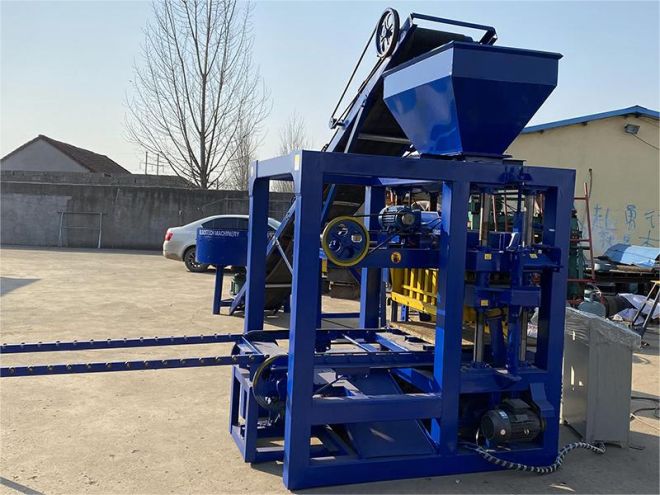
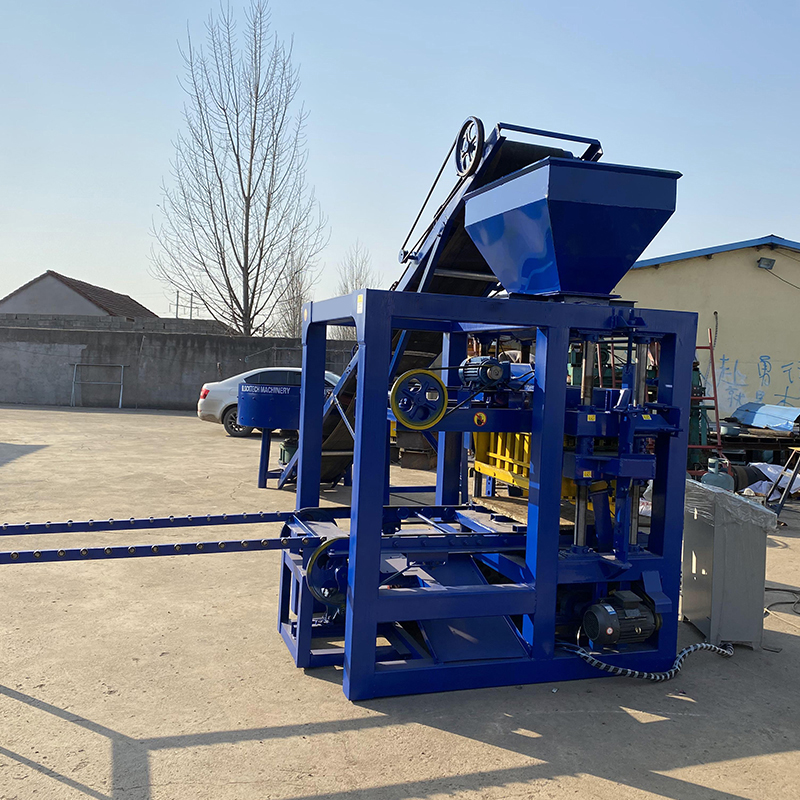
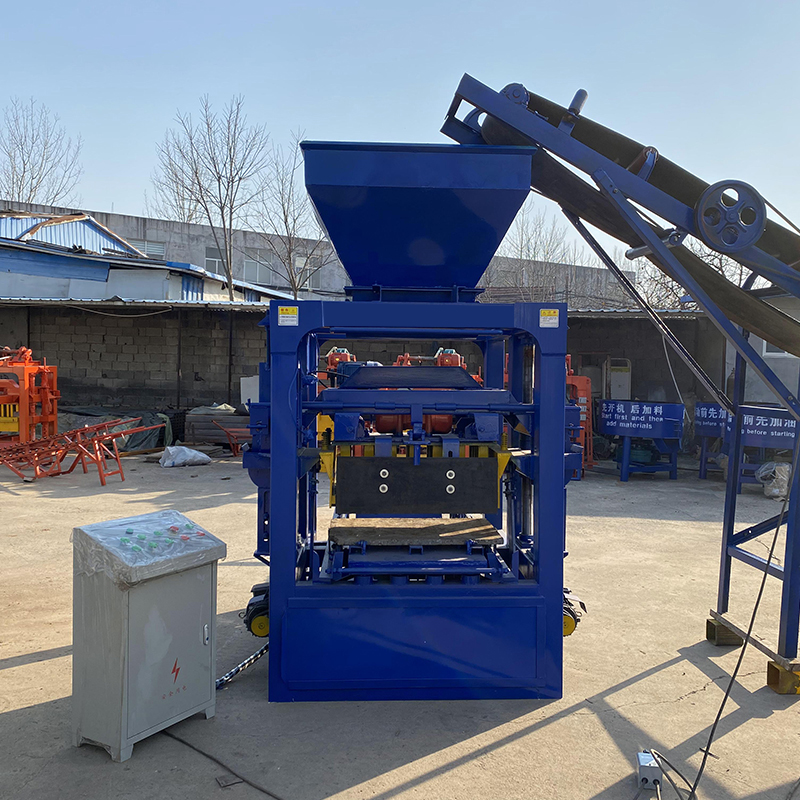
For those looking to venture into the construction industry or expand their existing operations, the QT4-24 small block making machine offers a cost-effective solution for producing high-quality concrete blocks. This versatile machine is designed to cater to both small-scale and medium-sized projects, making it a popular choice among entrepreneurs and businesses alike.
Key Features of the QT4-24 Small Block Making Machine:
- Compact Design: The QT4-24 boasts a compact footprint, making it suitable for various workspaces and ideal for those with limited space.
- High Efficiency: This machine is capable of producing a significant number of concrete blocks per hour, ensuring efficient production and meeting project deadlines.
- Durability: Built with high-quality materials, the QT4-24 is designed to withstand the rigors of continuous operation, providing long-lasting performance.
- Versatility: The machine can produce a wide range of concrete block sizes and shapes, catering to diverse construction needs.
- Ease of Operation: The QT4-24 is user-friendly and requires minimal training to operate, making it accessible to individuals with varying levels of technical expertise.
Applications of QT4-24 Concrete Blocks:
- Construction: The blocks are widely used in various construction projects, including residential buildings, commercial structures, and infrastructure development.
- Infrastructure: They are ideal for constructing walls, fences, and other infrastructure elements.
- Agricultural: The blocks can be used to build livestock shelters, storage facilities, and other agricultural structures.
Benefits of Investing in the QT4-24 Small Block Making Machine:
- Reduced Costs: By producing concrete blocks in-house, businesses can significantly reduce their material costs and eliminate the need to purchase pre-made blocks.
- Increased Profitability: The machine's efficiency and versatility allow for increased production, leading to higher profits and a competitive edge.
- Quality Control: Producing blocks on-site ensures better quality control and the ability to customize products to specific requirements.
- Environmental Benefits: Using locally sourced materials and reducing transportation needs can contribute to a more sustainable construction process.


