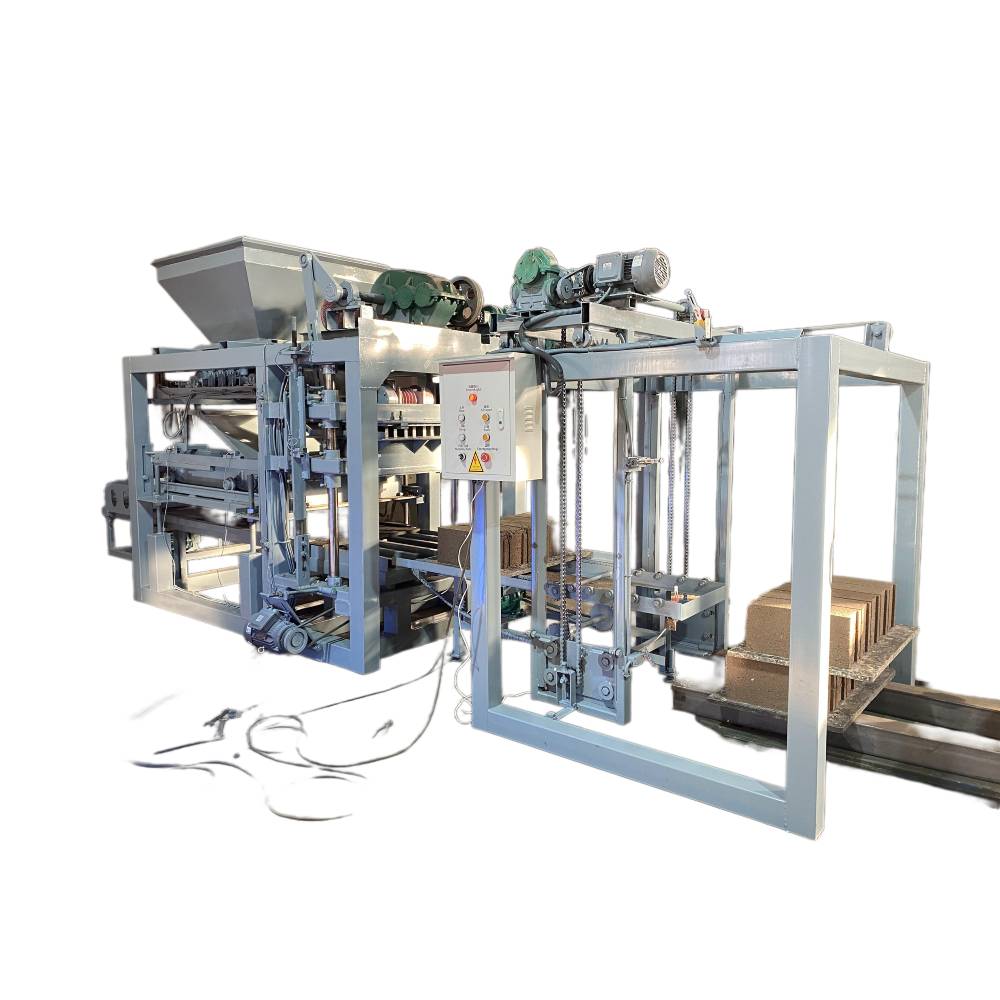

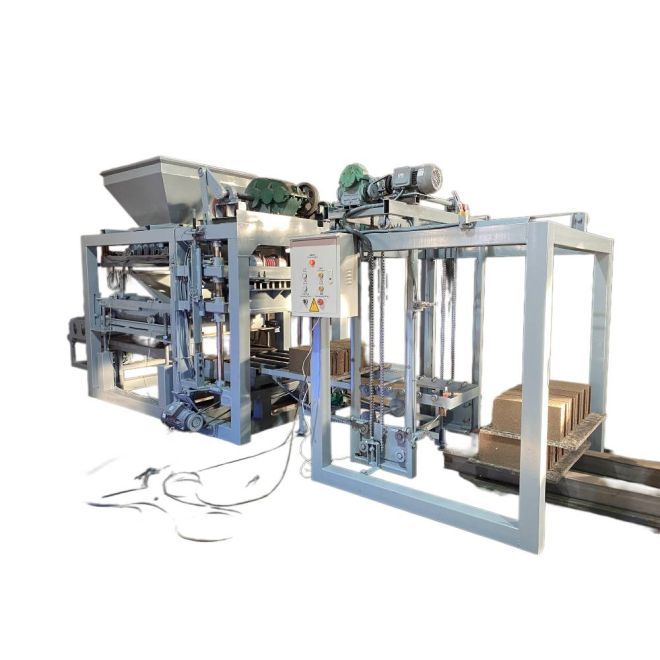
● 1. Raw Material Preparation for Concrete Blocks
●○ 1.1 Importance of Raw Material Selection
The foundation of high-quality concrete block production lies in the meticulous selection of raw materials. The appropriate choice of aggregates, cement, and water significantly influences the strength and durability of the final product. When selecting materials, manufacturers aim for optimal particle size distribution and chemical composition to ensure robust and aesthetically pleasing blocks.
●○ 1.2 Role of Feeders in Material Handling
Automated feeders play a crucial role in the handling of raw materials. By ensuring precise and consistent delivery of materials into the mixing phase, automatic concrete block machines help in maintaining a uniform blend. This precision mitigates the risk of batch inconsistencies and enhances the overall quality of the concrete blocks.
● 2. Mixing Process in Concrete Block Production
●○ 2.1 Proportioning of Raw Materials
The mixing process is central to the formation of concrete blocks. Automated systems enable precise proportioning of raw materials, ensuring that each batch adheres to desired specifications. Advanced automatic concrete block machines utilize sensors and computer controls to fine-tune the mixture, enhancing the structural integrity of the blocks.
●○ 2.2 Control over Mixing Time and Sequence
Automation allows for meticulous control over mixing time and sequence, which are critical in achieving the desired consistency and workability of the concrete. By adjusting these parameters, manufacturers can produce blocks with enhanced mechanical properties, meeting or exceeding industry standards.
● 3. Brick Molding and Forming Techniques
●○ 3.1 Vibration and Pressurization Methods
Innovative molding and forming techniques are employed to shape the concrete mix into uniform blocks. Automatic concrete block machines use vibration and pressurization methods to eliminate air pockets and ensure density, which contributes to the strength and durability of the blocks.
●○ 3.2 Air Bubble Removal and its Benefits
The removal of air bubbles during the molding process is critical in producing high-quality blocks. Automated systems ensure that air bubbles are efficiently eradicated, thereby reducing weaknesses and potential points of failure in the final product.
● 4. Curing: Enhancing Brick Strength
●○ 4.1 Environmental Conditions for Curing
Curing is a vital step that influences the final strength and durability of concrete blocks. Automatic machines facilitate controlled curing environments, where temperature and humidity are closely monitored to optimize the hydration process.
●○ 4.2 Impact of Curing Duration on Quality
The duration of the curing process is directly proportional to the quality of the concrete blocks. Automated systems allow manufacturers to maintain consistent curing times, ensuring that each block reaches its maximum potential strength before leaving the production line.
● 5. Demoulding: Transition from Mould to Maintenance
●○ 5.1 Techniques for Safe Demoulding
Demoulding is the process of removing concrete blocks from their molds. Automatic concrete block machines are designed to perform this task with precision, minimizing the risk of damage during removal and ensuring the integrity of each block.
●○ 5.2 Initial Maintenance Requirements
Following demoulding, initial maintenance of the blocks is crucial. Automated systems support this phase by providing guidelines and techniques to enhance block durability, ensuring they are ready for subsequent conditioning processes.
● 6. Conditioning for Optimal Brick Durability
●○ 6.1 Maintaining Humidity and Temperature
Conditioning involves maintaining optimal humidity and temperature levels to ensure the durability of the concrete blocks. Automated concrete block machines excel in creating these conditions, thereby enhancing the longevity and performance of the blocks in various construction applications.
●○ 6.2 Ensuring Brick Strength and Longevity
By maintaining precise conditioning protocols, manufacturers can produce bricks with superior strength and longevity. This is crucial for meeting the long-term needs of construction projects, where durability is a key consideration.
● 7. Finished Product Handling and Output
●○ 7.1 Packaging and Transportation Logistics
Once the blocks are produced, they need to be efficiently packaged and transported. Automated systems streamline this process, ensuring secure packaging and minimizing the risk of damage during transit. This efficiency translates to cost savings and improved delivery times for manufacturers.
●○ 7.2 Preparing Bricks for Market Readiness
Automatic concrete block machines also enhance the market readiness of the blocks. By ensuring that each block meets quality standards, they aid manufacturers in maintaining a reputation for excellence and reliability.
● 8. Automation in Concrete Block Production
●○ 8.1 Role of Advanced Control Systems
Automation has brought about a paradigm shift in concrete block manufacturing. Advanced control systems enable real-time monitoring and adjustment of production parameters, resulting in enhanced efficiency, reduced wastage, and improved product quality.
●○ 8.2 Benefits of Automation for Efficiency
The incorporation of automation leads to significant improvements in production efficiency. Automatic concrete block machines reduce manual labor requirements, increase production speed, and contribute to a safer working environment, making them a wise investment for forward-thinking manufacturers.
● 9. Quality Assurance in Block Manufacturing
●○ 9.1 Monitoring Production Stages
Quality assurance is integral to the production of concrete blocks. Automated systems offer continuous monitoring capabilities, ensuring that each stage of production meets stringent quality criteria. This leads to consistent product quality and customer satisfaction.
●○ 9.2 Ensuring Consistency in Product Quality
Consistency is key in concrete block manufacturing. Automatic concrete block machines help maintain uniformity across batches, thereby guaranteeing that customers receive high-quality products that meet their expectations and project requirements.
● 10. Environmental and Economic Impacts of Block Making
●○ 10.1 Sustainability Practices in Production
Sustainability is an essential consideration in modern construction. Automatic concrete block machines support environmentally friendly practices by optimizing resource usage, minimizing waste, and facilitating the production of eco-friendly products.
●○ 10.2 Economic Benefits of Advanced Machinery
Investing in automatic concrete block machines offers significant economic advantages. By enhancing production efficiency and reducing operational costs, these machines enable manufacturers to offer high-quality products at competitive prices, thereby increasing their market competitiveness.
● Conclusion
In conclusion, automatic concrete block machines represent a transformative advancement in the construction industry. By enhancing efficiency, ensuring quality, and supporting sustainable practices, these machines empower manufacturers to meet the evolving demands of the market. For those looking to buy automatic concrete block machines, it is crucial to partner with reputable manufacturers who prioritize innovation and quality.
Introducing Changsha Aichen
Changsha Aichen is located in Changsha city, Hunan province of China. We are committed to the research and development, manufacture, and sales of concrete block making machines since 1999. Aichen manufactures a wide selection of concrete-product machines and block production lines using the latest global technology and quality management standards. Our products, made with economical and green materials, are vital in construction and hardscaping.