

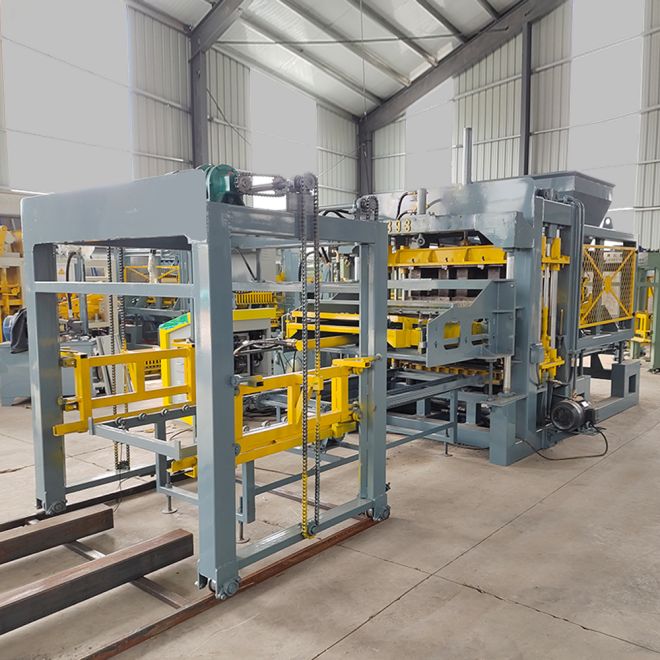
Your head hurts from all the clanking, leaking hoses, and mystery buttons on that block machine, and every “quick fix” from coworkers sounds more like folklore than factory guidance.
This 2026 hydraulic block making machine working principle guide clears the confusion, shows each step plainly, and follows proven standards from ISO’s hydraulic machinery safety report.
🧱 Overview of hydraulic block making machines and 2026 technology trends
Hydraulic block making machines use oil pressure and vibration to form strong concrete blocks with stable size, low labor cost, and high daily output.
By 2026, digital controls, energy‑saving systems, and remote monitoring will help factories cut waste, improve strength, and standardize quality across different projects.
1. Main functions of a hydraulic block machine
Modern machines handle feeding, mixing, pressing, demolding, and stacking in one line, giving stable density and smooth surfaces for hollow, solid, and paving blocks.
- Automatic material feeding and leveling
- Vibration plus hydraulic pressing
- Fast mold change for different block shapes
- Stacking system for easy curing and transport
2. 2026 automation and smart control trends
In 2026, PLC touch screens, cloud data, and sensor feedback will guide pressure, time, and vibration for each block, reducing manual mistakes and cement waste.
- Recipe storage for different block types
- Real‑time strength and defect tracking
- Remote fault alerts via mobile or PC
- Energy and oil temperature monitoring
3. Typical capacity ranges and line layouts
Lines such as the Automatic Block Production line QT6-15 integrate batching, mixing, forming, and curing to match small, medium, or large project needs.
| Line type | Daily blocks* | Automation |
|---|---|---|
| Compact | 8,000–12,000 | Semi‑auto |
| Standard | 12,000–18,000 | Full auto |
| High output | 18,000–25,000+ | Full auto |
4. Key 2026 innovation focus areas
Manufacturers will focus on lower power use, longer mold life, better noise control, and stronger eco blocks using fly ash, slag, or EPS lightweight materials.
- Variable‑frequency vibration motors
- Wear‑resistant, quick‑change molds
- Support for recycled aggregates
- Digital maintenance records
⚙️ Core hydraulic system components and their coordinated working principle
The hydraulic system converts motor power into stable oil pressure, which drives cylinders to press the concrete mix into dense, crack‑resistant blocks.
All parts must match: pump flow, valve timing, cylinder size, and oil cooling work together to avoid pressure drops and uneven block strength.
1. Main hydraulic components
Each hydraulic block machine includes pump, valves, cylinders, oil tank, filters, and pipes, which work in sequence during feeding, pressing, and demolding.
| Component | Main role |
|---|---|
| Pump | Supplies oil flow and pressure |
| Valve group | Controls oil direction and speed |
| Cylinders | Provide pressing and lifting force |
| Tank & cooler | Store and cool hydraulic oil |
2. Coordinated pressure and vibration principle
The system applies set pressure while vibration removes air from the mix. This combined action increases compactness and uniform strength for each mold cavity.
- Pre‑press phase to arrange material
- High‑pressure phase to densify mix
- Hold time to stabilize block form
- Release phase to protect edges
3. Sample productivity comparison (chart)
The chart below shows typical daily output for three popular hydraulic machines, assuming standard hollow blocks and 8‑10 working hours.
4. Influence on block quality and energy saving
Stable hydraulic pressure reduces broken corners, size errors, and waste. Efficient systems also cut motor running time, lowering kWh per block and oil temperature.
- Constant‑pressure control
- Low‑leakage valves and pipes
- Timed idle shutdown
- Oil cooling to keep viscosity stable
📊 Step-by-step block forming process: feeding, pressing, demolding, stacking
The full cycle covers material feeding, high‑pressure forming, demolding, and stacking, usually finished in less than 20–30 seconds per cycle.
Correct timing at each step protects the mold, keeps size accurate, and ensures every block reaches the target strength after curing.
1. Material feeding and distribution
The machine feeds concrete from the mixer into the mold box, then uses a feeder cart and scraper to level material into every cavity.
- Consistent mix ratio and water content
- Even fill reduces voids
- Short feed time improves output
- Low drop height protects aggregates
2. Pressing and vibration forming
The upper press head and lower mold table clamp the mix, while vibration compacts it. Hydraulic pressure locks the shape and improves density.
| Stage | Action |
|---|---|
| Pre‑vibration | Settles material |
| Main press | High pressure + strong vibration |
| Hold | Keeps size and surface stable |
3. Demolding, palletizing, and stacking
After pressing, the machine lifts the mold, pushes fresh blocks onto pallets, and sends them to stacking or curing with a simple or automatic system.
- Soft demold avoids cracks
- Neat stacking speeds curing
- Forklift or elevator for transfer
- Adaptable to steam or natural curing
🛠️ Operation safety, daily maintenance, and fault diagnosis methods
Safe operation and regular maintenance protect workers, extend machine life, and keep hydraulic pressure stable for long production runs.
Clear checks, clean oil, and quick fault diagnosis also reduce downtime and prevent damage to pumps, valves, and cylinders.
1. Key safety rules for operators
Operators should follow lock‑out steps, wear safety gear, and never reach into moving parts or adjust pressure when the system is live.
- Train all staff on emergency stop use
- Keep guards and covers locked
- Clean spills to avoid slips
- Post clear warning signs
2. Daily and weekly maintenance checklist
Simple daily checks on oil level, leaks, bolts, and vibration help find issues early and keep the hydraulic system working smoothly.
| Frequency | Task |
|---|---|
| Daily | Check oil level, hoses, and noises |
| Weekly | Tighten bolts, clean filters |
| Monthly | Test pressure and flow |
| Yearly | Change oil, inspect seals |
3. Simple methods to diagnose hydraulic faults
When pressure drops or blocks show defects, check for leaks, clogged filters, overheating oil, or worn seals before replacing major parts.
- Compare gauge reading with set value
- Touch pipes carefully to feel hot spots
- Listen for pump cavitation sounds
- Use clean sample for oil test
🏭 Choosing reliable equipment in 2026: why Aichen hydraulic machines stand out
In 2026, buyers will look for stable output, easy controls, and strong after‑sales support. Aichen machines focus on these needs.
They balance price, quality, automation, and spare parts service, which lowers long‑term cost per block and plant risk.
1. Matching capacity to your project scale
Models like the QT4-16 cement concrete block machine solid block making machine price suit start‑up plants needing reliable output with controlled investment.
- Good for 8,000–10,000 blocks/day
- Simple PLC operation
- Low power and oil use
- Fast mold change for local sizes
2. High‑efficiency lines for larger factories
For higher demand, Aichen offers full lines with batching, automatic palletizing, and forklifts, cutting labor while keeping quality stable across shifts.
- Integrated weighing and mixing system
- Automatic finger‑car or elevator options
- Centralized lubrication and oil cooling
- Remote support for PLC programs
3. Advanced EPS and lightweight block solutions
Models such as the QT8-15 eps block making machine concrete block manufacturing machine price support lightweight insulation blocks with strong edges and lower density.
- Designed for EPS and special aggregates
- Precise vibration control
- High output for large housing projects
- Supports energy‑saving wall systems
Conclusion
Hydraulic block making machines remain the core of modern concrete block plants in 2026, combining strong pressure, precise vibration, and digital control.
By understanding components, forming steps, and maintenance needs, you can choose the right Aichen equipment, reduce costs, and gain stable, long‑term production quality.
Frequently Asked Questions about block making machine hydraulic
1. How does a hydraulic block making machine improve block strength?
It uses controlled oil pressure and vibration to remove air and compact the mix, giving higher density, fewer cracks, and more uniform size than simple mechanical presses.
2. What hydraulic oil should I use?
Most makers suggest anti‑wear hydraulic oil such as ISO VG 46 or 68. Follow the machine manual, and keep the oil clean, dry, and within the correct temperature range.
3. How often should I change hydraulic oil and filters?
In normal conditions, change oil every 12–18 months and filters every 6–12 months. Heavy use or dusty sites may need shorter intervals based on oil checks.
4. Why does my machine lose pressure during pressing?
Common causes include pump wear, valve leaks, loose hose joints, clogged filters, or overheated oil. Check pressure gauges, look for leaks, and clean or replace parts as needed.
5. Can one machine make many block sizes?
Yes. You can switch molds to produce hollow blocks, solid blocks, and pavers. Choose a model with quick‑change mold design and enough hydraulic power for your largest block type.


