

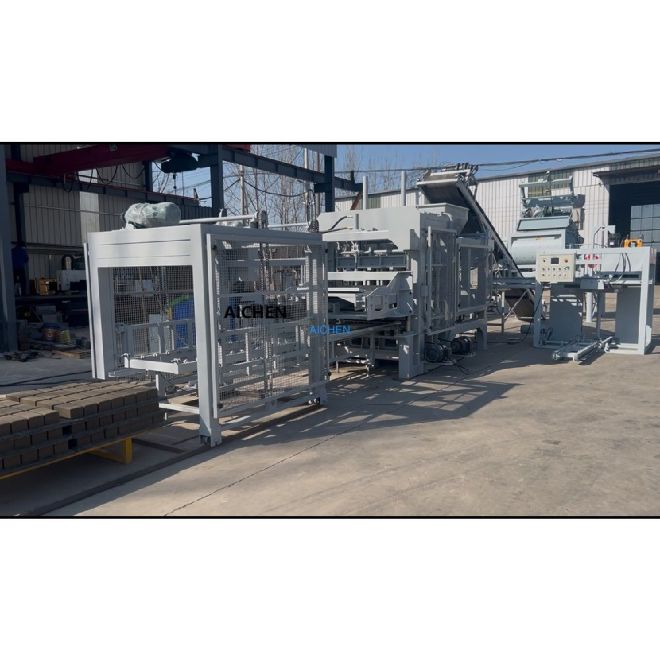
Choosing between a hydraulic and vibration paver block machine can feel like picking a life partner—both look good in brochures, but you only discover the quirks after spending a lot of money and concrete on them.
You solve this by matching machine type to block strength, output volume, and power needs, backed by data from industry research like the Cement & Concrete Composites performance report, so your investment pays off in consistent quality and lower waste.
🧱 Basic working principles of hydraulic and vibration paver block machines
Hydraulic paver block machines use oil pressure to compact concrete evenly. Vibration machines rely on fast shaking to settle material inside the mold and remove air.
Both systems aim to produce dense, strong, and uniform blocks. The right choice depends on budget, skill level, and the quality you expect from finished pavers.
1. Hydraulic system operation
Hydraulic machines push a ram down using pressurized oil. This gives steady, high compaction force with very good control for consistent paver size and density.
- Stable pressure and low shock
- Better control of compaction cycle
- Ideal for premium paving projects
2. Vibration system operation
Vibration paver machines shake the mold at high speed so concrete particles move and pack together. This system works well for small to medium jobs.
- Lower initial investment
- Simple structure and easier repair
- Good for basic paving blocks
3. Combined vibration and hydraulic action
Many modern machines mix hydraulic pressure and vibration. The hydraulic ram gives force, while vibration removes air and helps particles move into every corner.
| Feature | Benefit |
|---|---|
| Dual compaction | Higher density blocks |
| Smoother surfaces | Better finish for walkways |
4. Manual vs automatic operation
Manual models suit low output and tight budgets. Automatic lines use sensors and PLCs to cut labor and give stable results on every production shift.
- Manual: more labor, lower cost
- Automatic: higher speed, less error
- Semi-automatic: balance of both
⚙️ Strength, durability, and finish quality: comparing block performance outcomes
Hydraulic block machines usually give stronger, more durable pavers with sharp edges. Vibration-only systems can still meet standards for lighter duty surfaces.
For heavy traffic, ports, or industrial yards, hydraulic compaction is often worth the higher cost due to better long-term surface performance.
1. Compressive strength and density
Hydraulic pressure increases density and reduces voids. This lifts compressive strength and cuts water absorption, which protects pavers from cracking over time.
| Machine type | Typical density level |
|---|---|
| Hydraulic + vibration | Very high |
| Vibration only | Medium to high |
2. Surface finish and edge sharpness
Hydraulic machines control mold pressure more smoothly, so pavers show clean edges and even surfaces, which is key for decorative or interlocking patterns.
- Less chipping on demolding
- Better color layer bonding
- Improved fit between blocks
3. Long-term wear and abrasion
Higher density blocks resist wear from tires and foot traffic. Hydraulic units often deliver longer life in bus lanes, parking areas, and loading zones.
| Application | Preferred system |
|---|---|
| Garden paths | Vibration or hydraulic |
| Industrial yards | Hydraulic |
4. Quality consistency across batches
Automatic hydraulic models maintain stable pressure and timing on every cycle. This reduces rejected blocks and cuts cement waste over large projects.
- Lower variation in strength
- Reliable paving level
- Better project predictability
📊 Production capacity, energy use, and maintenance needs of both machine types
Hydraulic block machines often give higher output per shift but use more power. Vibration units save energy, with simpler, cheaper maintenance needs.
1. Output rates and shift planning
Automatic hydraulic lines can run long shifts with minimal stops. This supports big orders and short delivery times for large paving projects.
| Machine | Automation | Typical use |
|---|---|---|
| Vibration-only unit | Manual/semi | Small batches |
| Hydraulic line | Automatic | Mass output |
2. Power consumption and operating cost
Hydraulic pumps and motors add to power draw. Good design and correct oil flow settings can still keep cost per block under control.
- Track kWh per pallet
- Use efficient motors
- Plan off-peak power use
3. Service, wear parts, and downtime
Vibration units mainly need motor, spring, and bearing care. Hydraulic machines add hoses, seals, and oil filters that require regular checks.
- Set a monthly inspection plan
- Keep key spares in stock
- Train staff on quick fault checks
🏭 Choosing the right machine for your project scale with Aichen solutions
Match your paver block machine to land size, labor skills, and local demand. Aichen offers options from manual to fully automatic solutions.
1. Small yards and start-up plants
For lower budgets and basic production, a vibration-based QT320 QTJ3 20 concrete block maker manual concrete block making machine gives simple control and steady output.
- Low entry cost
- Easy to learn
- Good for local markets
2. Medium-scale commercial projects
Growing producers often choose the Automatic Block Paver Machine QT3-20 to balance automation, price, and good block quality for daily supply.
| Benefit | Impact |
|---|---|
| Automatic cycles | Less labor |
| Stable compaction | Better quality |
3. High-demand and premium paving plants
For dense, high-value pavers, the QT3-20 hydraulic concrete block making machine cement paver block making machine offers strong hydraulic compaction with reliable, repeatable results.
- Higher block strength
- Clean finish for decorative work
- Fits wider market needs
🌱 Noise, dust, and environmental considerations in hydraulic vs vibration systems
Vibration machines create more noise and dust. Hydraulic systems run smoother and can support cleaner, safer working environments with correct setup.
1. Noise levels and worker comfort
High-speed vibration raises sound levels. Hydraulic machines usually feel softer, especially when you add covers and good machine foundations.
- Use ear protection
- Install rubber pads
- Plan quiet zones nearby
2. Dust control and material handling
Dry mixes and open feeding systems spread cement dust. Use moist mixing, covers, and local extraction fans to keep air cleaner on site.
| Measure | Result |
|---|---|
| Water spray | Less airborne dust |
| Enclosed conveyor | Cleaner yard |
3. Oil, power use, and environmental impact
Hydraulic units need clean oil and safe waste handling. Efficient motors and regular leak checks reduce both energy use and environmental risk.
- Use quality hydraulic oil
- Recycle used oil safely
- Monitor power trends monthly
Conclusion
Hydraulic paver block machines deliver higher strength, cleaner finish, and better long-term durability. Vibration units still offer solid results for basic paving jobs.
Your final choice should weigh budget, project size, energy cost, and local market demand. Correct machine sizing and good maintenance give the best return on investment.
Frequently Asked Questions about paver block machine
1. Which machine is best for heavy-duty paving blocks?
Hydraulic or combined hydraulic-vibration machines are best for heavy-duty blocks. They give higher density, better strength, and longer life on roads and industrial yards.
2. Do I need a fully automatic machine for a small plant?
No. For small plants, a manual or semi-automatic vibration machine can be enough. You can upgrade later when orders and cash flow grow.
3. How often should I service a paver block machine?
Check key parts daily, grease moving points weekly, and inspect hydraulics or vibration systems monthly. Follow the maker’s schedule to reduce breakdowns.
4. Can one machine make different paver shapes?
Yes. Most machines use changeable molds. You can produce different sizes and patterns by swapping molds and adjusting mix, cycle time, and vibration.


