

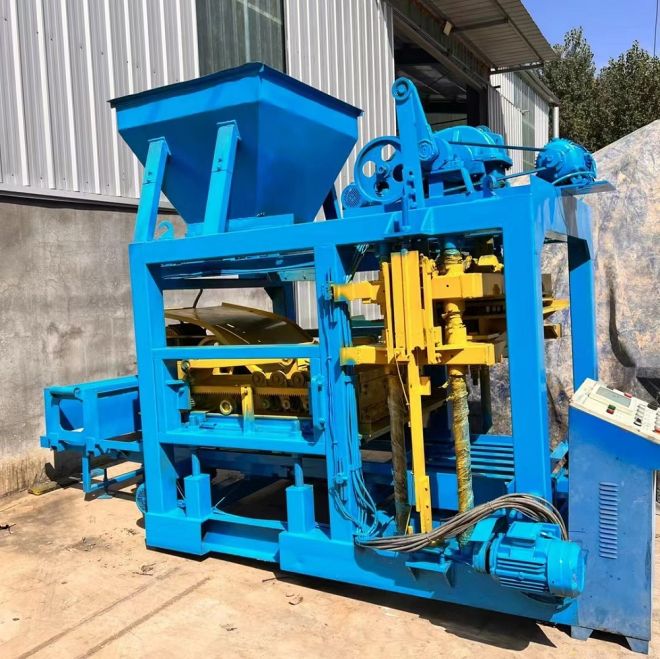
Choosing the right QT420 block making machine can feel like dating heavy machinery—lots of specs, zero chemistry, and you still worry you’ll pick the one that ghosts your production schedule.
To fix this, match capacity, automation, and budget to your real project needs, and compare technical standards using trusted resources like this UNIDO cement and concrete sector report.
🧱 Assessing Your Production Capacity, Block Types, and Automation Needs
Choosing the right QT420 block making machine starts with clear production goals. Match output, block size, and automation to your daily orders and growth plans.
Plan for your current demand, but also leave space for future upgrades, new block types, and possible shifts in your local construction market.
1. Define Daily and Monthly Block Output
Estimate how many blocks you must produce per shift and per month. Include peak seasons, large projects, and possible export or wholesale orders.
- Count current confirmed orders.
- Add a safety margin of 15–25% for growth.
- Check if one QT420 line can cover demand or if you need a backup line.
2. Clarify Main Block Types and Sizes
QT420 can produce hollow blocks, solid blocks, and pavers with different molds. List your main products and expected selling prices first.
| Block Type | Use | Priority |
|---|---|---|
| Hollow block | Walls | Main product |
| Paver | Roads / yards | Seasonal |
| Solid block | Load bearing | Project based |
3. Decide Automation Level and Labor Plan
Higher automation on QT420 reduces labor but needs higher initial investment. Balance wage costs, worker skills, and expected machine uptime.
- Semi‑automatic: lower cost, more workers.
- Full line: pallets, stacker, and mixer integration.
- Match controls to local operator skills.
4. Compare QT420 with Neighboring Models
To avoid under‑ or over‑investing, compare QT420 output with similar models like QT4-25C automatic block moulding machine hydraulic block making machine price, QT3-20 hydraulic concrete block making machine cement paver block making machine, and QT4-25C block machine automatic concrete making machine price.
⚙️ Key Technical Specifications: Molding Pressure, Cycle Time, and Power Requirements
Technical data decides real performance on site. Focus on molding pressure, vibration, cycle time, and power to ensure stable strength and fast production.
Always ask Aichen for detailed data sheets, tested with standard concrete mix and common pallet sizes used in your region.
1. Understand Molding Pressure and Vibration
High and even pressure improves block density and reduces cracking. Combine it with strong vibration to fill molds fast and reduce cement waste.
- Check rated hydraulic pressure.
- Review vibration force and frequency.
- Ask for sample blocks and test reports.
2. Evaluate Cycle Time versus Block Strength
Very short cycle time boosts output, but blocks must still reach required strength. Balance speed with quality and local standards.
3. Check Total Power and Local Electricity
Match QT420 motor power and voltage to local supply to avoid downtime. Include mixer, conveyor, and stacker in total load planning.
| Item | Power Range | Note |
|---|---|---|
| Main machine | 15–22 kW | Core motors |
| Full line | 30–45 kW | With mixer |
| Voltage | Customize | Local standard |
4. Analyze Cement, Water, and Aggregate Ratios
Technical settings should fit your local raw materials. Aichen can help adjust mix recipes for best strength and minimum cement usage.
🏗️ Matching QT420 Machine Configurations to Your Project Scale and Site Conditions
Site size, project scale, and raw material layout decide which QT420 configuration fits you best and how you arrange the line.
1. Plan Layout for Small and Medium Yards
Measure your yard and sketch a simple flow from aggregate arrival to cured block storage before choosing belt lengths and pallet handling systems.
- Keep material paths short.
- Leave space for forklift turning.
- Plan covered area for curing in wet seasons.
2. Align QT420 with Project Types
Contractors with many small sites may favor semi‑automatic set‑ups, while large block plants often prefer fully integrated QT420 production lines.
| Project Type | Recommended Setup |
|---|---|
| Local housing | Semi‑automatic QT420 |
| City projects | Full automatic line |
| Block resale | High‑output QT420 line |
3. Consider Climate, Curing, and Storage
Hot, dry, or very cold weather affects curing. Plan water supply, shade, or steam options so QT420 blocks reach target strength reliably.
🔧 Maintenance, Spare Parts, and After‑Sales Support from Aichen
Reliable service is as important as machine price. Strong support from Aichen keeps your QT420 running and protects your investment.
1. Daily and Weekly Preventive Maintenance
Simple daily checks extend machine life. Train operators to follow a short, clear checklist and record all unusual noise or vibration.
- Lubricate moving parts.
- Inspect hydraulic hoses and leaks.
- Clean molds and vibration table.
2. Spare Parts Planning and Inventory
Keep key wearing parts on site to avoid long stoppages. Ask Aichen for a recommended first‑year spare parts package.
| Part | Stock Level |
|---|---|
| Mold liners | 1–2 sets |
| Hydraulic seals | Basic kit |
| Switches / sensors | 2–3 pieces each |
3. Training, Remote Support, and Upgrades
Aichen can guide installation, train your team, and provide remote fault diagnosis. Ask about software updates and mold upgrades for new products.
📊 Cost Efficiency, Energy Consumption, and Long‑Term Value of Aichen QT420 Models
Look beyond the first price. Real value comes from energy savings, stable quality, and low downtime over many production years.
1. Calculate Total Cost per Block
Include cement, sand, stone, water, power, labor, and machine depreciation. A more efficient QT420 can lower costs even if purchase price is higher.
- Track kWh per 1000 blocks.
- Record cement use per m³.
- Compare cost with market selling price.
2. Evaluate Energy Use and Local Tariffs
Match working hours to cheaper tariffs if possible. Efficient motors and optimized cycle settings can sharply reduce energy cost per block.
3. Measure Long‑Term Reliability and Resale Value
Strong frames, quality hydraulics, and good support give QT420 longer service life and better resale value compared with low‑cost copies.
Conclusion
The best QT420 model balances capacity, block types, and automation with your budget and site conditions. Check real data, test samples, and plan your layout carefully.
By working closely with Aichen on service, spare parts, and future upgrades, you can build a reliable, efficient block plant that supports long‑term growth.
Frequently Asked Questions about QT420 Block making machine
1. What is the typical output of a QT420 block making machine?
Output depends on block size and cycle time, but QT420 can usually cover small to medium commercial plants producing several thousand blocks per shift.
2. Can QT420 produce both hollow blocks and pavers?
Yes. By changing molds, QT420 can produce hollow blocks, solid blocks, and various paver shapes, as long as you select suitable mold sets.
3. What power supply does QT420 need?
Aichen can customize voltage and frequency to match local standards. Confirm total power including mixer and conveyors before installation.
4. How many workers are required to operate QT420?
For a semi‑automatic line, plan 3–5 workers per shift. A more automated layout can reduce labor but requires higher initial investment.
5. How often should QT420 be serviced?
Basic checks are done daily, with more detailed inspections weekly and monthly. Follow Aichen’s maintenance schedule and keep key spares in stock.


