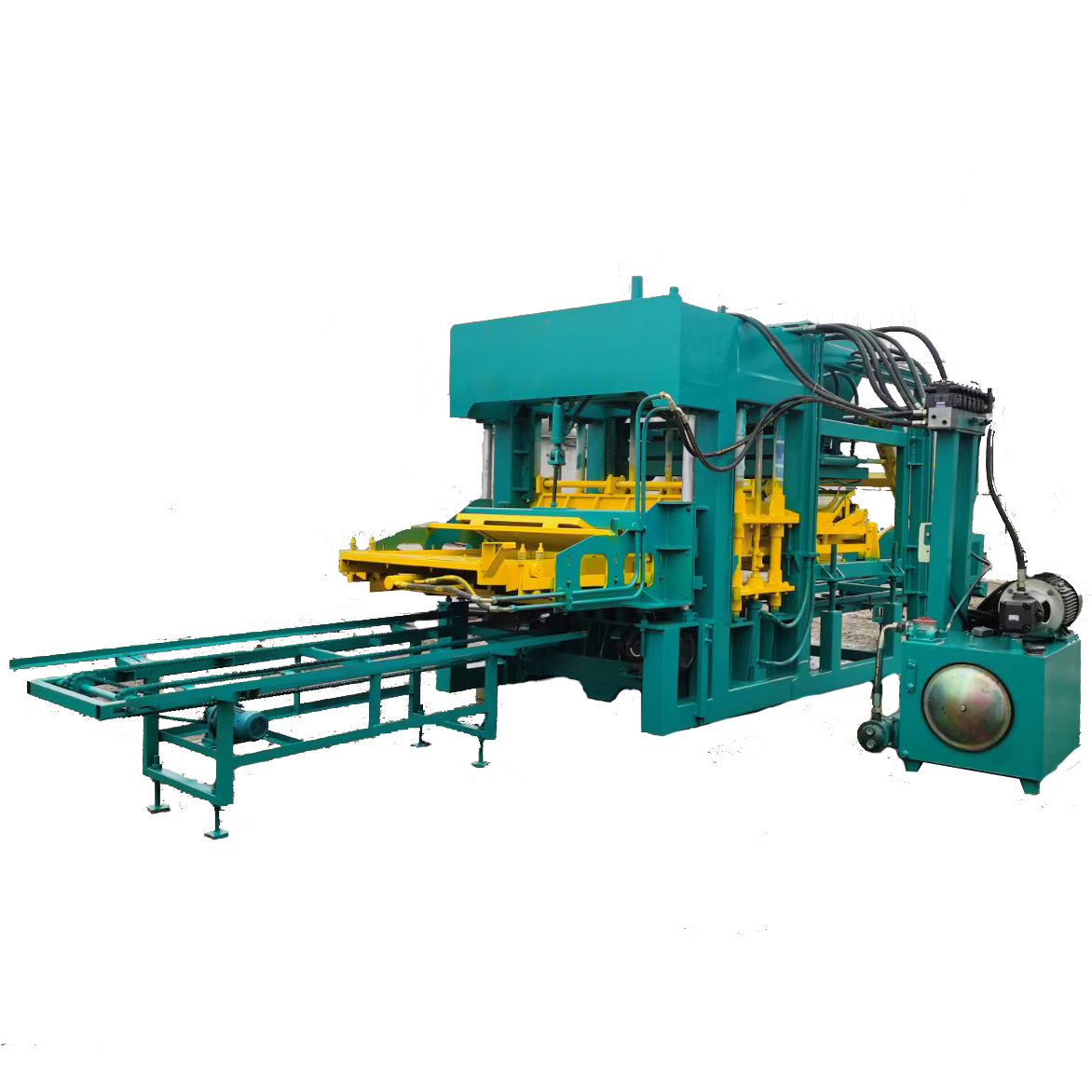

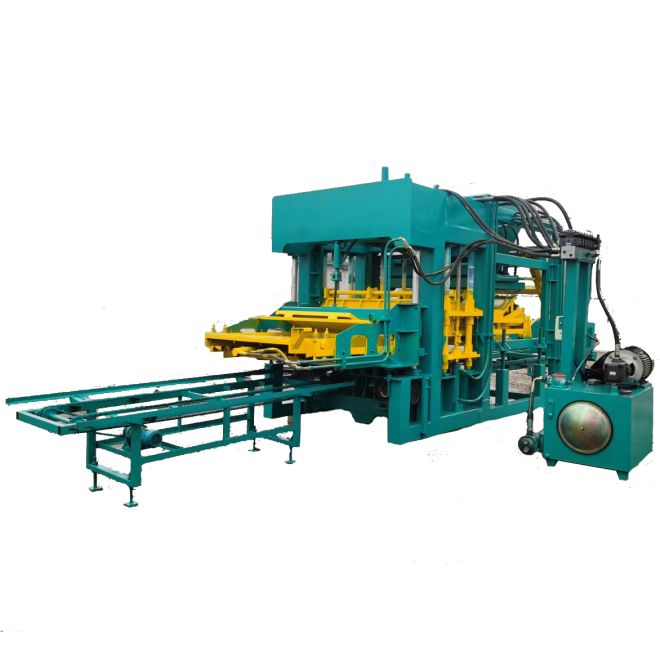
Introduction to Hollow Block Manufacturing
Hollow block manufacturing is a critical process in the construction industry, providing essential building materials for a wide range of structures. The process involves several stages, from the acquisition of raw materials to the final distribution of the blocks. This article explores each step in detail, providing insights into the best practices and technologies used in the industry. Keywords like solid block making machine, custom solid block making machine, cheap solid block making machine, discount solid block making machine, wholesale solid block making machine, solid block making machine manufacturer, solid block making machine factory, and solid block making machine supplier are integral to understanding the manufacturing landscape.
Raw Materials Acquisition for Hollow Blocks
● Cement as a Binding Agent
Cement is the cornerstone of hollow block production. It acts as the binding agent that holds the other materials together, ensuring the structural integrity and durability of the final product. The quality of cement directly impacts the strength and longevity of the blocks.
● The Role of Sand and Aggregates
Fine sand and coarse aggregates such as gravel or crushed stone are essential components of the concrete mix. Sand acts as a filler, while aggregates provide structural support and reduce the amount of cement needed. The right balance of sand and aggregates is crucial for producing high-quality blocks.
● Importance of Water in the Mix
Water is the final key ingredient in the concrete mix. It reacts with the cement to form a paste that binds the sand and aggregates together. The amount of water used must be carefully controlled to ensure the mix is workable and the final blocks are strong and durable.
Concrete Mixing Process
● Proportions of Materials
The proportions of cement, sand, aggregates, and water in the concrete mix are critical. Too much or too little of any ingredient can compromise the quality of the blocks. Manufacturers use precise formulas to achieve the right balance.
● Equipment Used for Mixing
A solid block making machine or a custom solid block making machine is typically used for mixing the raw materials. These machines ensure a homogeneous mix, which is crucial for the consistency and strength of the final product. Different types of solid block making machines are available, including cheap solid block making machines and discount solid block making machines, depending on the manufacturer’s needs.
● Ensuring a Homogeneous Mixture
The mixing process must be thorough to ensure a uniform distribution of all ingredients. This ensures that every block produced has the same strength and quality. Modern mixing equipment, like those provided by a solid block making machine supplier, are designed to achieve this level of consistency.
Forming Hollow Blocks: Molding Techniques
● Types of Molds Used
The mixed concrete is poured into molds that shape the hollow blocks. These molds can be made from various materials, including steel and wood. Steel molds are often preferred for their durability and precision.
● Creating Hollow Spaces
To create the hollow spaces within the blocks, a core or additional mold is used within the main mold. This core is removed once the concrete sets, leaving the desired voids. This process is crucial for the structural and thermal efficiency of the blocks.
● Key Considerations During Forming
Forming the blocks requires attention to detail to ensure the dimensions are accurate and the surfaces are smooth. Any imperfections at this stage can affect the quality and usability of the final product.
Curing Process for Strength and Durability
● Controlled Environment Requirements
Curing is one of the most critical steps in hollow block manufacturing. It involves keeping the blocks in a controlled environment with adequate moisture and temperature. This process allows the concrete to hydrate fully, gaining strength and durability.
● Duration and Conditions for Curing
The curing period can vary depending on the mix and the specific requirements of the blocks. Typically, blocks are cured for several days, during which they must be kept moist and at a consistent temperature. Some manufacturers use curing rooms or chambers to control these conditions precisely.
● Benefits of Proper Curing
Proper curing enhances the final strength and durability of the blocks. It also helps prevent issues such as cracking and shrinkage, ensuring the blocks can withstand the demands of construction environments.
Demolding and Handling Fresh Blocks
● Steps Involved in Demolding
Once the blocks have cured sufficiently, they are removed from the molds. This process, known as demolding, requires careful handling to avoid damaging the freshly formed blocks.
● Careful Handling Techniques
Freshly demolded blocks are still vulnerable to damage. Handling techniques must be gentle and precise to ensure the blocks maintain their shape and integrity. This includes using appropriate lifting and transport equipment.
● Preventing Damage to Fresh Blocks
To prevent damage, manufacturers often use protective measures such as padding and supports during the demolding and initial handling stages. This helps ensure that the blocks are in prime condition for further drying and storage.
Drying Hollow Blocks: Methods and Importance
● Environmental Factors Affecting Drying
After demolding, the blocks are allowed to dry further to reduce excess moisture. Environmental factors such as temperature and humidity can significantly affect the drying time and quality.
● Duration of Drying Process
The drying process can take several days to weeks, depending on the environmental conditions and the specific requirements of the blocks. Ensuring proper ventilation and consistent conditions is crucial during this stage.
● Impact on Block Quality
Proper drying is essential for achieving the desired strength and durability of the blocks. Any retained moisture can weaken the blocks and lead to long-term issues such as cracking or spalling.
Quality Control in Hollow Block Manufacturing
● Standards and Specifications
Hollow blocks must meet industry standards and specifications to ensure they are fit for use in construction. These standards cover aspects such as dimensions, strength, and durability.
● Types of Tests Conducted
Quality control involves various tests, including compressive strength tests, dimensional checks, and surface quality assessments. These tests ensure that each block meets the required standards.
● Ensuring Consistency and Durability
Consistency in the manufacturing process is key to producing high-quality blocks. Manufacturers implement rigorous quality control measures at every stage to ensure that each block is uniform and reliable.
Packaging and Storage Strategies
● Methods of Packaging Blocks
Once the blocks have passed quality control, they are packaged for storage or transportation. Packaging methods vary but often include stacking the blocks on pallets and wrapping them with protective materials.
● Importance of Proper Storage
Proper storage is essential to maintain the quality of the blocks. They must be kept in a dry, secure environment to prevent damage from moisture or physical impacts.
● Reducing Damage During Transit
Effective packaging and storage strategies help reduce the risk of damage during transit. This ensures that the blocks reach their destination in optimal condition, ready for immediate use.
Distribution and Market Reach
● Channels of Distribution
The finished hollow blocks are distributed to various customers, including construction sites, retailers, and wholesalers. The distribution channels depend on the manufacturer's business model and market reach.
● Meeting Customer Demands
Manufacturers must be responsive to customer demands, ensuring timely delivery of high-quality products. This includes maintaining adequate inventory levels and efficient logistics.
● Adapting to Market Needs
The construction industry is dynamic, with evolving needs and standards. Manufacturers must stay adaptable, incorporating new technologies and materials to meet market demands and maintain a competitive edge.
Conclusion
Manufacturing hollow blocks is a complex process that requires precise control of various factors, from raw material acquisition to final distribution. The use of advanced equipment such as solid block making machines ensures high-quality production. Companies in this field, like Aichen, play a crucial role in providing the construction industry with reliable and durable building materials.
Changsha Aichen is located in Changsha city, Hunan province of China. We are committed to the research and development, manufacture, and sales of concrete block making machines since 1999. Aichen manufactures a wide selection of concrete-product machines and block production lines, including brick machines, block forming machines, automatic block production lines, semi-automatic block machines, multifunction block machines, cement brick machines, cement block machines, paving block machines, and more. Using the latest global technology and quality management standards, Aichen produces a wide variety of concrete masonry products for countless applications. Over 20 years of dedication to quality and customer service have made Aichen a trusted name in the industry.