
Choosing between a fully automatic and semi automatic block machine can feel like picking a new phone: you want power, speed, and reliability, but your budget keeps whispering, “Are you sure about that?”
To fix this, compare your labor costs, production targets, and maintenance budget, then match them with each machine’s automation level; industry data in the OECD automation productivity report shows higher automation often boosts output and consistency.
🔧 Definition and Working Principles of Fully Automatic Block Machines
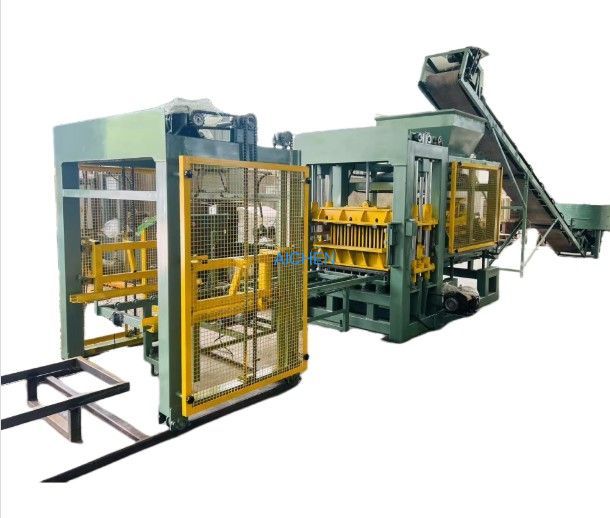
Fully automatic block machines handle material feeding, molding, and stacking with minimal labor. They use PLC control systems, sensors, and hydraulic power to keep production fast and stable.
These lines fit factories that need standard block sizes, steady quality, and long daily working hours. Automation reduces waste and helps you control unit cost and delivery time.
1. Core Components and Automation System
The machine combines mixers, conveyors, hydraulic station, and PLC control. Sensors track each step and adjust movement, vibration, and pressure for stable performance.
- Automatic material batching and feeding
- Programmable vibration and pressing cycles
- Automatic palletizing or stacking systems
- Touchscreen control and fault alarms
2. Working Cycle from Raw Material to Finished Block
Aggregates, cement, and water enter the mixer, then move by conveyor to the molding unit. The machine vibrates and presses, then ejects blocks for curing.
| Step | Main Action | Human Role |
|---|---|---|
| Feeding | Automatic loading into hopper | Check material level |
| Molding | Pressing and vibration | Monitor panel |
| Output | Blocks onto pallets | Forklift operation |
3. Advantages in Quality and Consistency
Automation keeps mix ratio, pressing pressure, and vibration time steady, which improves block strength, density, and size accuracy across large batches.
- Less human error
- Better surface finish
- Higher compressive strength
- Lower rejection rates
4. When to Choose a Fully Automatic Line
Choose fully automatic models when you run high-volume orders, strict standards, or want fast payback from reduced labor and higher daily output.
- Large industrial projects
- Regional block supply centers
- Export-focused plants
⚙️ Key Features and Operating Process of Semi Automatic Block Machines
Semi automatic machines need more manual handling for feeding, pallet movement, and stacking. They still use electric and hydraulic power to press and vibrate blocks efficiently.
They suit start-up plants or local builders who want lower investment but still need reasonable output and better quality than simple manual molds.
1. Semi Automatic Workflow and Labor Input
Operators load materials, control the lever or buttons, and move pallets. The machine handles vibration, pressing, and basic cycle timing for each batch.
| Task | Machine | Worker |
|---|---|---|
| Mixing | Optional mixer | Loading and water control |
| Molding | Pressing and vibration | Start/stop control |
| Stacking | – | Manual or forklift |
2. Key Features That Support Small and Medium Projects
Semi automatic models are compact, easy to install, and simple to train on. They consume less power and can be upgraded later with extra automation.
- Flexible for different block sizes
- Lower purchase cost
- Simple maintenance
- Good for multi-shift rotation
3. Bar Chart: Typical Output Comparison
The chart below shows a simple comparison between a typical semi automatic and fully automatic line in terms of hourly output.
4. When Semi Automatic Machines Are the Better Choice
Pick semi automatic models if you face limited budget, cheap labor, and moderate demand but still need stable block quality.
- Rural construction sites
- Small contractors
- Testing new markets
📊 Production Efficiency Comparison: Output, Labor Needs, and Time Consumption
Fully automatic lines deliver higher hourly output with fewer workers, while semi automatic lines use more labor and longer cycles per pallet.
Choosing the right type depends on your volume targets, labor cost, and how quickly you want each order completed.
1. Output per Hour and Daily Capacity
Fully automatic machines often reach two to three times the hourly output of semi automatic ones under similar power and raw material conditions.
| Type | Blocks/hour* | Blocks/8h shift* |
|---|---|---|
| Semi Automatic | 600–900 | 4,800–7,200 |
| Fully Automatic | 1,500–2,400 | 12,000–19,200 |
| *Typical ranges; actual data depends on model and block size. | ||
2. Labor Requirements per Shift
Semi automatic plants often need 4–6 workers per shift, while fully automatic lines may run with only 2–3 operators plus a forklift driver.
- Semi automatic: more people for feeding and stacking
- Fully automatic: more skill, less manual handling
3. Cycle Time and Order Delivery Speed
Fully automatic machines shorten each cycle with precise timing and faster pallet change, which improves delivery speed and reduces overtime needs.
- Shorter press cycles
- Less unplanned downtime
- Better planning of shipments
💰 Cost Analysis: Equipment Investment, Energy Use, and Maintenance Expenses
Semi automatic machines cost less to buy but need more labor. Fully automatic lines need higher investment but cut unit labor cost sharply.
Energy use, spare parts, and planned maintenance all affect the long-term cost per block for both machine types.
1. Initial Equipment Investment
Semi automatic machines have lower upfront cost, which helps small plants start quickly. Fully automatic lines require larger capital but offer faster scale-up.
| Type | Investment Level* | Payback Potential |
|---|---|---|
| Semi Automatic | Low–Medium | Good for small volumes |
| Fully Automatic | Medium–High | Strong with high volumes |
| *Relative range; request a quote for exact prices. | ||
2. Energy Consumption and Operating Cost
Fully automatic systems use more power per hour but produce many more blocks, which often lowers the energy cost per block compared with semi automatic lines.
- Efficient motors and pumps
- Reduced material waste
- Better load control lowers idle running
3. Maintenance Needs and Downtime Control
Both systems need regular checks on hydraulic, vibration, and wear parts. Planned maintenance keeps output steady and avoids costly breakdowns.
- Schedule lubrication and filter changes
- Stock key spare parts
- Train operators in basic fault checks
🏭 Application Scenarios and Model Selection Suggestions, Prefer Choosing Aichen Equipment
Match machine type to your market, land size, and budget. Consider block types, future demand growth, and how automation will support your long-term plans.
Aichen provides balanced options and technical support to help you select the right automatic or semi automatic block machine for your plant.
1. Small Plants and Start-Up Investors
For lower volumes, semi automatic machines such as compact lines and starter models give a safe entry point with room to grow later.
- Lower risk for new investors
- Simple operation and training
- Easy to relocate if needed
2. Medium to Large Commercial Block Plants
Fully automatic models suit central plants that supply contractors and government projects. Stable quality and high output become key selling points.
| Need | Suggested Solution |
|---|---|
| Stable mass supply | Fully automatic line |
| Diverse block types | Flexible mold change system |
| Brand reputation | High-consistency production |
3. Recommended Aichen Models and Links
Aichen offers proven models that cover both automatic and semi automatic needs. You can compare capacity, layout, and configuration by model.
- QT3-20 block machine factory concrete block plant for sale for small to medium plants.
- QT3-20 automatic block machine concrete block automatic machine for higher automation needs.
- QT4-25C solid concrete block making machine pavers making machine price for versatile block and paver production.
Conclusion
Fully automatic block machines deliver higher capacity, better consistency, and lower labor cost per piece, which suits large plants with stable demand and higher capital.
Semi automatic machines fit start-ups and smaller projects by keeping investment low and operation flexible. Define your volume, labor cost, and growth plan before selecting the best Aichen solution.
Frequently Asked Questions about Cement Block Machine
1. How do I choose between fully automatic and semi automatic block machines?
Check your target output, labor cost, and budget. If you need high daily capacity and stable long-term demand, fully automatic lines are better. For small volumes and tight funds, semi automatic models work well.
2. What raw materials can these block machines use?
Most machines can use cement, sand, gravel, crushed stone, and fly ash. Some models also handle slag or other industrial waste. Using clean, graded aggregates improves block strength and reduces cracks.
3. How long does it take to install and start a new block machine?
Simple semi automatic machines can often be installed and tested within a few days. Fully automatic lines may take one to three weeks, including layout, wiring, testing, and staff training.
4. What maintenance is required to keep the block machine running well?
Daily checks include cleaning, lubrication, and tightening bolts. Weekly tasks cover hydraulic oil level, filters, and hose leaks. Replace wear plates, molds, and vibration parts according to working hours and inspection results.


