

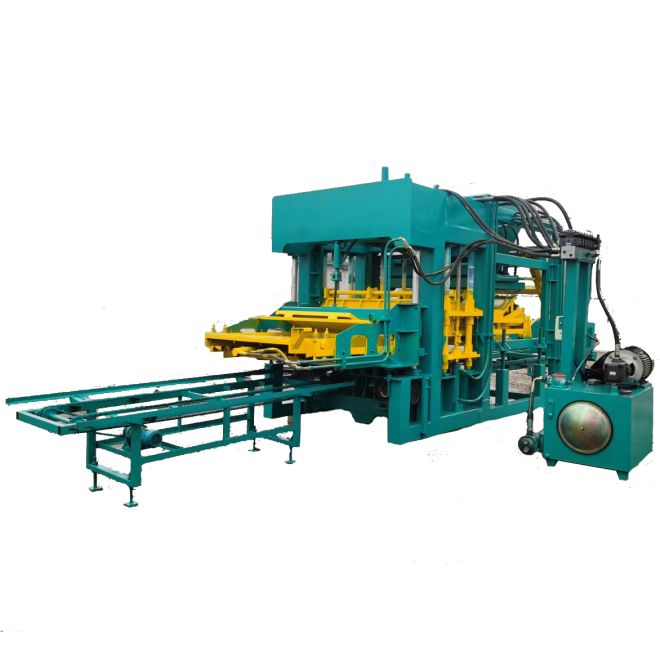
You bought one block machine and hoped it could magically spit out every block size ever made, like a concrete Swiss Army knife—now you’re staring at molds, manuals, and measurements wondering if you also need an engineering degree.
Relax—one machine can handle different block sizes by swapping molds, adjusting height settings, and following the maker’s guidelines; this simple setup matches industry practice shown in this ACI report, so you stay flexible without buying another machine.
🧱 How One Block Machine Adjusts Molds To Produce Multiple Sizes
Yes, one modern block machine can produce different block sizes by changing molds, adjusting height stops, and tuning vibration and pressure settings for each product.
This flexible design lets plants run hollow blocks, solid bricks, and pavers on one line, reducing equipment cost while keeping production stable and easy to manage.
1. Quick-Change Mold Systems
Most multi-size machines use a fast clamp system so workers can swap molds in minutes instead of hours, keeping downtime low and output high.
- Side clamps or bolts for secure locking
- Guide pins for accurate alignment
- Standardized mold frames across models
2. Adjustable Height And Filling Depth
Height stops and material gates control how much concrete enters each cavity, allowing the same machine to form thin pavers or tall blocks with simple changes.
| Block Type | Typical Height (mm) |
|---|---|
| Thin paver | 60 |
| Standard block | 190 |
| Special tall unit | 240+ |
3. Tuned Vibration For Each Product
Control panels store vibration recipes for different block sizes. Operators just select the needed program to match density and surface finish.
4. Matching Mix Design To Block Size
Small pavers and large hollow blocks need different mix workability. The same machine runs both when batching adjusts sand, stone, and water content correctly.
⚙️ Key Design Features That Enable Variable Block Dimensions In One Machine
Several core design choices allow one block machine to run many sizes, including strong frames, smart hydraulics, sensitive vibration, and programmable logic control.
These features work together so adjustments stay simple and repeatable, even when switching daily between tall blocks, bricks, and pavers on the same line.
1. Rigid Frame And Guided Moving Parts
A heavy, welded frame keeps alignment correct when pressure changes for each size, protecting molds and keeping dimensions accurate over many cycles.
2. Smart Hydraulics With Pressure Control
Hydraulic valves and sensors let the system change pressure and speed for each product size, improving compaction and mold life.
3. Variable Frequency Vibration Motors
Variable frequency drives control vibration strength and speed, giving smoother surfaces on pavers and deeper compaction on thick structural blocks.
- Low frequency for thick, tall units
- High frequency for thin pavers
- Stored vibration profiles per product
4. PLC Recipes For Different Block Sizes
Operators call up pre-set programs by block code. Each recipe contains mold stroke, feed time, vibration, and pressing sequence.
📏 Setting Accurate Measurements For Small, Medium, And Large Blocks
Precise measurements protect strength, stacking, and site work. A good machine lets operators set width, height, and length for each block group.
1. Settings For Small Pavers And Bricks
Small units need strict control because even a few millimeters off can affect patterns. Operators must check dimensions often during runs.
- Use fine height stops
- Control feeding time to avoid overfill
- Calibrate daily with gauge blocks
2. Adjustments For Standard Wall Blocks
Medium blocks, such as 390×190×190 mm, must match local standards. Use test molds and sample checks at the start of each shift.
3. Settings For Oversized And Special Units
Large blocks or curb stones need careful pressure and release timing so they leave the mold cleanly without edge cracks or warping.
🏗️ Production Tips For Switching Block Sizes Without Delaying Projects
Good planning reduces time lost during size changes. Prepare molds, mix plans, and curing space before you stop the current production run.
1. Plan Mold Changes Into The Production Schedule
Group orders by block size so you run long batches. This limits daily changeovers and keeps the mixer and curing area running smoothly.
2. Standardize Changeover Steps
Use a simple checklist every time you switch size. This reduces mistakes and keeps product quality stable across different blocks.
- Clean and inspect the machine
- Swap mold and adjust height stops
- Load correct recipe and test a short run
3. Train Operators For Multi-Size Runs
Operators should learn how each block size behaves. Short training on mix flow, vibration, and stacking safely speeds up every changeover.
⭐ Why Choosing Aichen Simplifies Multi‑Size Block Manufacturing Needs
Aichen designs block machines to handle many block sizes with fast setup and stable quality, making them ideal for growing concrete plants.
1. Proven Multi-Size Models
Machines like the Automatic Block Paver Machine QT3-20 run pavers and blocks on one line, giving small and medium plants room to expand product ranges.
2. Flexible Hydraulic And Automatic Lines
Hydraulic models such as the QTJ425 QT425 hydraulic concrete block making machine fully automatic paver block making machine support fast mold swaps and consistent compaction.
3. Cost-Effective Automatic Systems
The QTJ425 automatic concrete block making machine QT425B block machine price gives strong automation and flexible block sizing at an attractive investment level for new plants.
Conclusion
One well-designed block machine can produce many block sizes by using quick-change molds, adjustable settings, and saved control recipes that match each product.
By planning changeovers, training operators, and choosing flexible equipment, producers supply more block types while keeping projects on time and costs under control.
Frequently Asked Questions about block making machine
1. Can any block machine produce different sizes?
No. Only machines built for multi-size production, with changeable molds and adjustable height and pressure, can switch sizes safely and efficiently.
2. How long does a mold change usually take?
On modern systems, a trained team can change molds in about 20–40 minutes, including cleaning, alignment checks, and test blocks.
3. Do I need different concrete mixes for each size?
Often yes. Thin pavers need a stiffer, fine mix, while large hollow blocks use more coarse aggregate and slightly different water content.
4. Will frequent size changes damage the machine?
Not if done correctly. Using proper tools, following a checklist, and keeping parts clean will protect the frame, molds, and hydraulics.
5. How do I choose the right machine for multi-size work?
List all block sizes you need, estimate daily output, then select a machine with enough pressure, mold options, and automation to match those goals.


