
Introduction to Concrete Block Machines in Construction
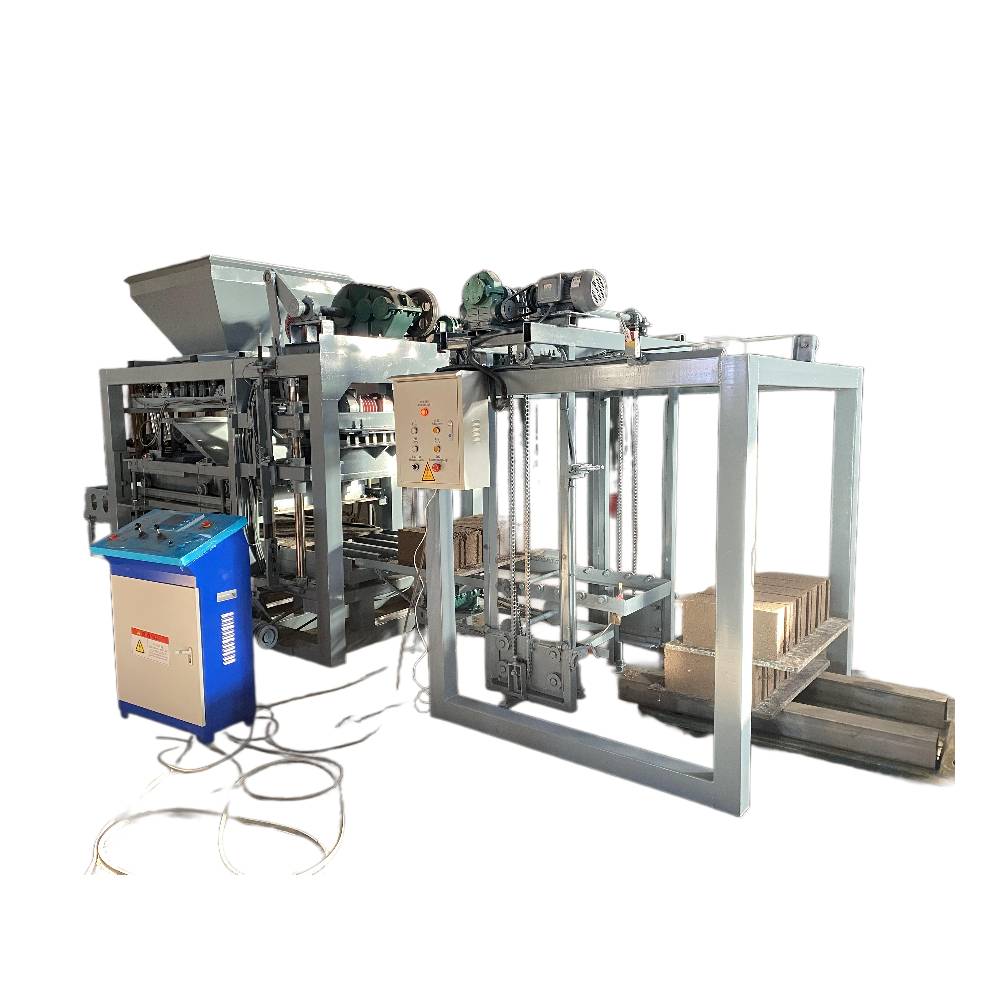
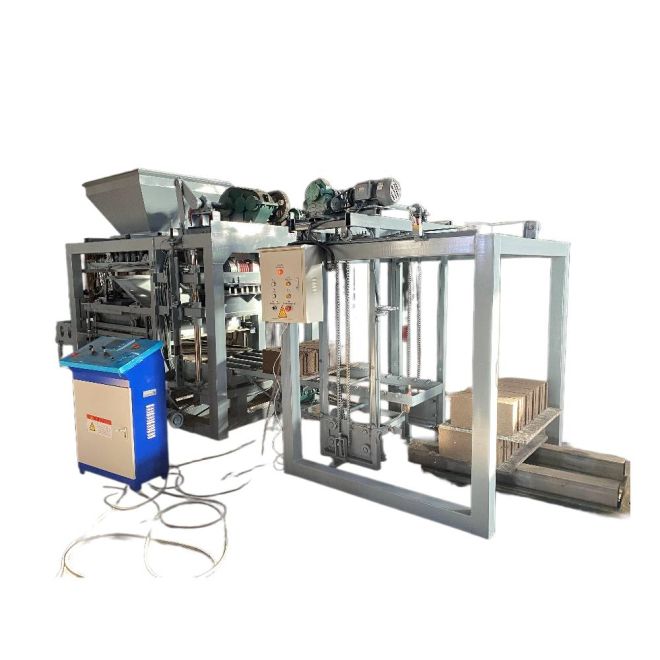
In the realm of modern construction, the demand for efficiency, durability, and precision has spurred the development of advanced machinery designed to optimize these attributes. Concrete block machines, a critical innovation in this context, have fundamentally transformed the methods employed in building and infrastructure development. These machines autonomously produce high-quality concrete blocks, pavers, and bricks tailored for various applications across residential, commercial, and industrial construction projects. The integration of these automated systems not only speeds up construction processes but also significantly reduces labor costs, thereby offering a cost-effective solution in the construction industry.
Concrete block machines are increasingly pivotal in meeting the evolving demands of the construction sector. Their ability to deliver consistent and durable products makes them indispensable, particularly in large-scale projects where precision and quality cannot be compromised. The role of these machines in shaping the future of construction is profound, enhancing both the structural integrity and aesthetic appeal of modern buildings.
Evolution of Concrete Block Machines
The development of concrete block machines represents a significant technological advancement in construction. Historically, the production of concrete blocks was a manual and labor-intensive process. However, over the years, there has been a marked shift towards automation, driven by the need for increased efficiency and standardization. This evolution from manual to automatic systems has not only improved production rates but also enhanced the quality and uniformity of the concrete products.
Today's high-quality automatic concrete block making machines come equipped with sophisticated features such as computer-aided design systems, precision vibration technology, and hydraulic operations. These innovations allow for the customization of block sizes, shapes, and strengths, meeting the diverse needs of modern construction projects. The transition has also been facilitated by the increasing availability of cheap automatic concrete block making machines , which are accessible to a broader range of users and projects, thus democratizing advanced construction capabilities.
Advantages of Using Concrete Block Machines
The use of automatic concrete block machines offers numerous advantages that extend beyond mere production efficiency. One of the primary benefits is the enhanced durability and precision they provide. Automatic systems ensure that each block is manufactured to exact specifications, eliminating the variability that can be inherent in manual processes. This level of precision is crucial in maintaining the structural integrity of buildings and infrastructure.
Moreover, buying an automatic concrete block making machine provides the ability to produce a wide range of block styles and designs. This versatility is particularly valuable in projects that demand aesthetic diversity, such as urban developments or commercial properties. Additionally, the automation reduces the need for manual labor, thus lowering labor costs and minimizing human error. This results in faster project completion times and more cost-effective construction processes.
Infrastructure Projects and Concrete Block Machines
● Role in Building Roads, Bridges, and Tunnels
Infrastructure projects are among the most demanding in terms of material strength and durability. Roads, bridges, and tunnels specifically require high-strength concrete blocks that can withstand significant loads and environmental pressures. Automatic concrete block making machines are essential in these applications, as they enable the mass production of reinforced blocks with consistent quality. The use of these machines ensures that infrastructure projects are built to last, providing safety and reliability over extended periods.
● Contribution to Water Management Structures Like Dams
Water management structures, such as dams and canals, also benefit greatly from the capabilities of concrete block machines. These projects require blocks that can resist high pressures and harsh environmental conditions. Automatic concrete block making machine manufacturers have developed machines that produce high-density, water-resistant blocks specifically for such applications. The longevity and resilience of these blocks contribute significantly to the effectiveness and sustainability of water management systems.
Industrial Applications of Concrete Block Machines
● Support in Constructing Warehouses and Factories
Industrial buildings, including warehouses and factories, necessitate the use of robust materials to support heavy machinery and storage requirements. Concrete block machines offer a solution by providing heavy-duty blocks that meet these structural demands. The ability to customize block properties ensures that industrial facilities are not only strong but also equipped to handle specific operational challenges, such as load-bearing or thermal insulation needs.
● Importance in Fire-Resistant and Soundproof Structures
Industries dealing with flammable materials or high noise levels benefit from concrete blocks featuring fire-resistant and soundproofing properties. High-quality automatic concrete block making machines have the capability to incorporate specialized additives into the block production process, enhancing these critical features. As a result, industrial buildings are safer and more efficient, reducing the risk of fire hazards and improving working conditions by mitigating noise pollution.
Commercial Construction and Concrete Block Machines
● Meeting Aesthetic and Functional Needs in Urban Development
In commercial construction, the demand for aesthetically pleasing and functional designs is paramount. Concrete block machines fulfill this by producing a diverse array of blocks in different colors, textures, and sizes. These customizable blocks are ideal for commercial establishments such as shopping complexes and office buildings, where both appearance and functionality are crucial.
● Production of Blocks for Shopping Complexes and Office Buildings
Commercial spaces often require blocks that not only contribute to the structural framework but also enhance the visual appeal of the building. Automatic concrete block making machine factories offer machines capable of producing interlocking and decorative blocks that are perfect for facades, interior partitions, and landscaping features. The versatility of these machines allows for a harmonious blend of practicality and design innovation in commercial construction.
Technological Features of Modern Block Machines
● Incorporation of High-Efficient Vibration Technology
One of the standout features of modern concrete block machines is the use of advanced vibration technology. This technology ensures optimal block compaction, eliminates air gaps, and increases the density and durability of the final product. Automatic concrete block making machines that utilize these features produce blocks that are not only stronger but also more reliable under various environmental conditions.
● Importance of Hydraulic and Automated Control Systems
The integration of hydraulic systems and automated controls in block machines has revolutionized the production process. Hydraulic systems ensure consistent pressure is applied during block formation, enhancing the structural integrity of the blocks. Automated controls, often through computerized systems, allow for precise adjustments and monitoring, ensuring each block meets stringent quality standards.
Economic Benefits of Block Machine Automation
● Reduction in Labor Costs and Increased Production Speed
Automating the block-making process leads to significant reductions in labor costs. By minimizing the need for manual intervention, projects can operate with fewer workers while maintaining high productivity levels. Additionally, the speed of production is greatly enhanced, as these machines can produce thousands of blocks in a fraction of the time it would take using manual methods. This efficiency is particularly beneficial for large-scale projects where time and budget constraints are critical.
● On-Site Manufacturing Reducing Logistics Expenses
One of the less obvious but highly beneficial aspects of using automatic concrete block making machines is the capability for on-site manufacturing. This reduces the need for transporting large quantities of blocks from external suppliers, thereby cutting down on logistics expenses and minimizing the environmental impact associated with transportation. The convenience of on-site production also reduces material wastage, contributing to more sustainable construction practices.
Future Trends in Concrete Block Machine Technology
● Advances in Eco-Friendly and Sustainable Block Production
As environmental concerns take precedence, the construction industry is moving towards more sustainable practices. Future automatic concrete block making machines are expected to incorporate eco-friendly materials and processes, such as the use of recycled aggregates and low-carbon cement. These advancements not only comply with environmental regulations but also appeal to the growing market demand for sustainable building solutions.
● Expansion into Modular and Prefabricated Construction Methods
The trend towards modular and prefabricated construction is driving innovation in block-making technology. Machines that offer precision and speed are essential in this evolving landscape, as they reduce project timelines and costs. By producing blocks that are ready for immediate assembly, automatic concrete block making machine manufacturers are paving the way for more efficient and economical construction methods that align with contemporary architectural trends.
Conclusion: Impact and Future of Concrete Block Machines
In conclusion, concrete block machines have reshaped the construction industry by delivering efficiency, quality, and cost-effectiveness across a wide array of applications. From infrastructure and industrial projects to commercial and urban developments, these machines provide the foundational elements that meet the critical demands of modern construction. As technology continues to advance, automatic concrete block machines will remain at the forefront, driving innovations and setting new standards for high-performance building solutions.
About Aichen
Changsha Aichen, located in Changsha city, Hunan province of China, has been a leader in the research, development, manufacture, and sales of concrete block-making machines since 1999. Aichen's diverse range of products includes everything from brick machines to automatic block production lines, all crafted using cutting-edge technology and quality standards. Aichen's eco-friendly manufacturing process produces a variety of concrete masonry products, serving numerous construction applications while also contributing to soil erosion control.