
high quality automatic block making machine manufacturer
Automatic block making machines offer efficiency and precision, increasing production by 30% while reducing labor costs by 40%. These machines are equipped with precise hydraulic systems, producing up to 3,000 blocks per hour and ensuring consistent quality. As a leading manufacturer, we provide durable machinery with advanced technology, ensuring high performance and reliability. Our machines use energy-efficient systems, saving up to 25% in energy costs, and come with comprehensive support and warranty services, making us your trusted partner in block-making technology.
Product
-
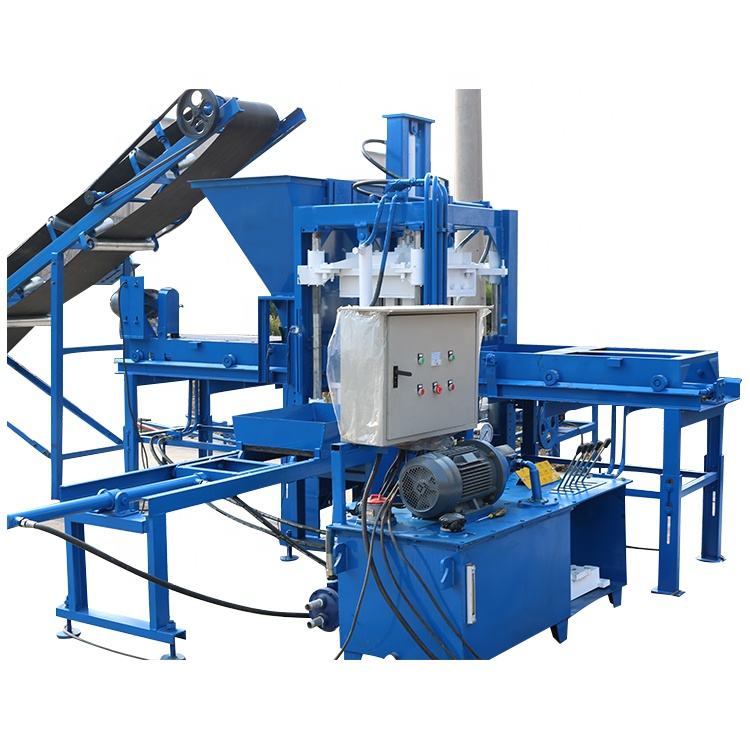
QT3-20 block machine factory concrete block plant for sale
learn more -
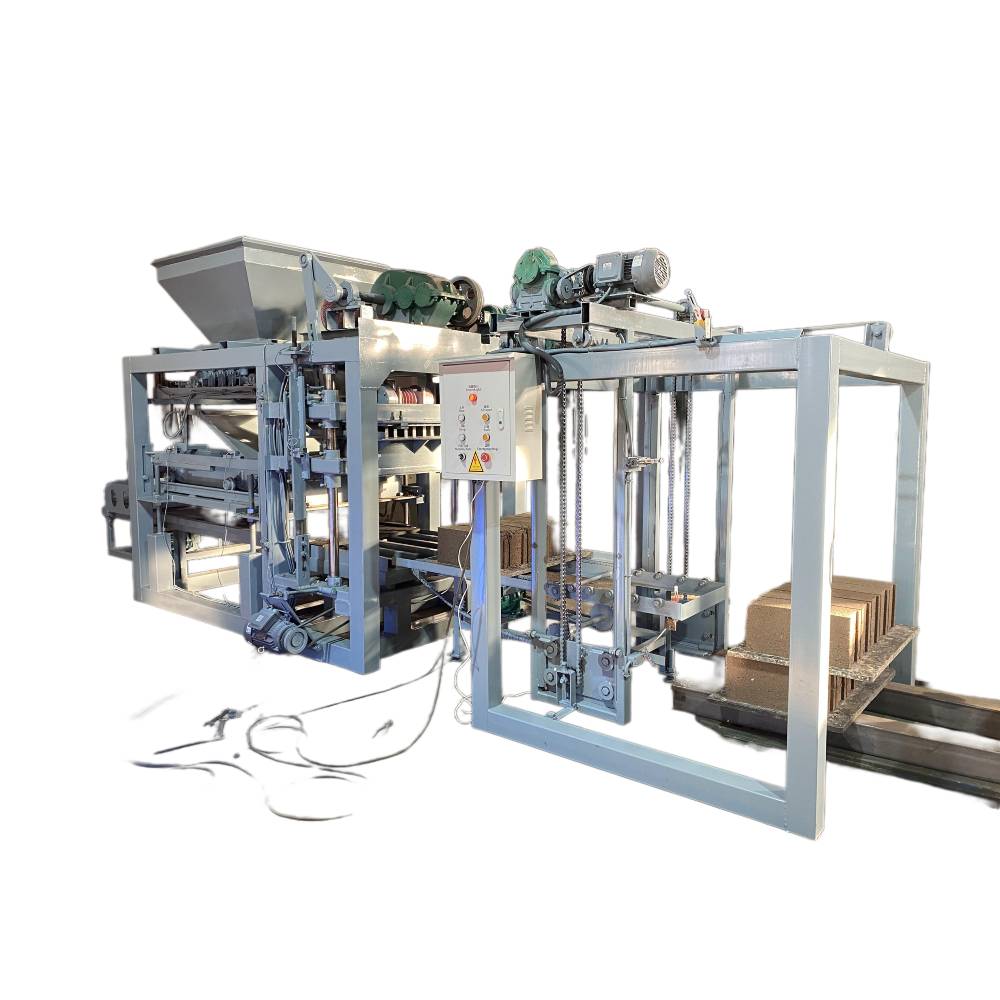
QT4-25C solid concrete block making machine pavers making machine price
learn more -
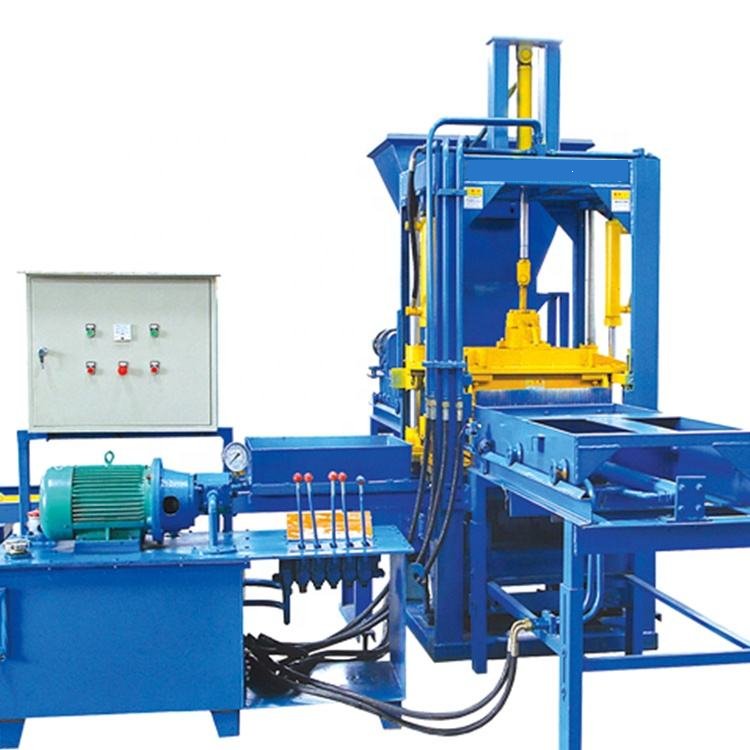
QT3-20 machine block making hollow block machine manufacturer
learn more -
QT3-20 automatic block machine concrete block automatic machine
learn more -
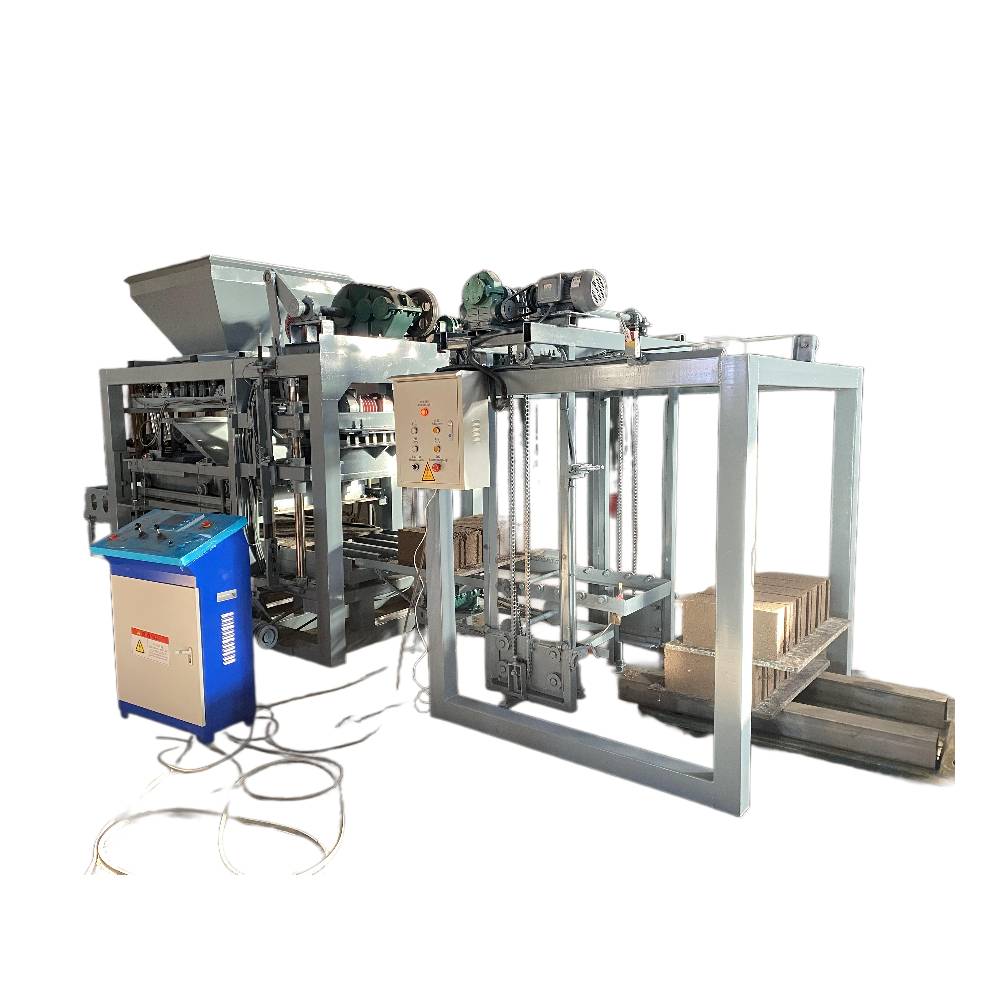
QT4-25C automatic block moulding machine hydraulic block making machine price
learn more -
QT3-20 smart block machine cement block maker machine
learn more -

QT3-20 paver block manufacturing machine pavers making machine price
learn more -
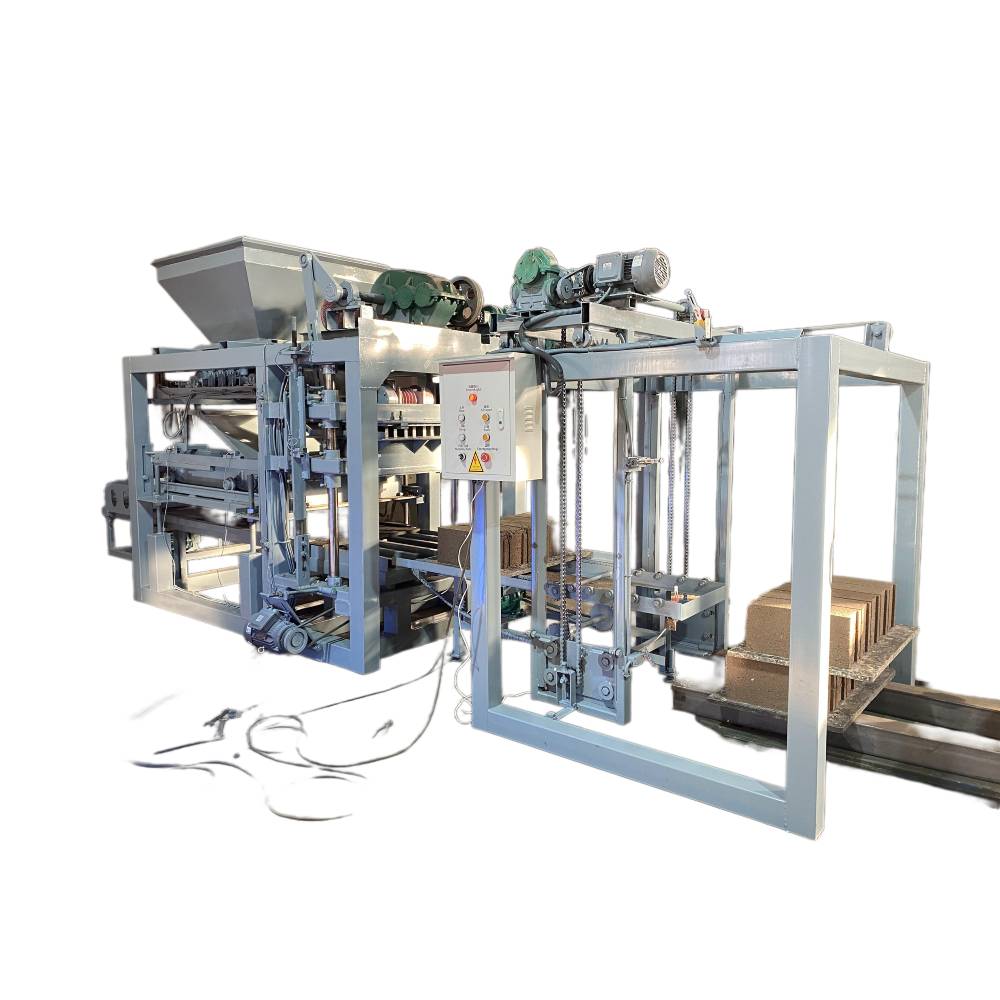
QT4-25C smart block machine cement block making machine price
learn more -

Automatic Block Machine QT4-25 c
learn more -

Automatic Block Machine QT4-18
learn more
The Frequent FAQs of Full Automatic Block Machine
What are the benefits of using a concrete block making machine?▾
Increased efficiency by up to 40%, reduced labor costs by 30%, and precise block uniformity. Enhanced production speed and eco-friendly operation offer long-term savings and sustainability.
What is the difference between QT4-15 and QT4-18 block machines?▾
QT4-15 has a lower cycle time and slightly smaller production capacity than QT4-18. QT4-15 produces 4,800-6,400 blocks/day, while QT4-18 can produce 5,760-7,680 blocks/day. Both machines offer similar automation but differ in efficiency.
How can I choose the right block making machine for my needs?▾
Consider total output capacity, cycle time, power consumption, and automation level. Assess mold versatility and compatibility with desired block sizes. Evaluate maintenance requirements and warranty options. Prioritize features that align with your production and financial goals.


