

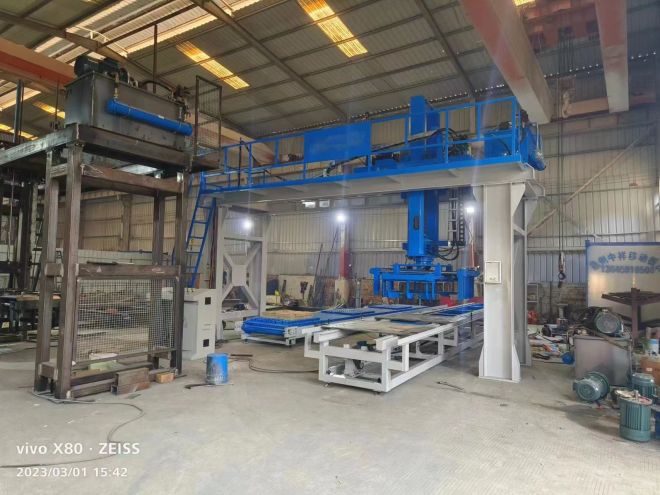
Why We Need Block Cuber Machines
- Space Reduction: Block cuber machines compress waste into compact, uniform blocks, significantly reducing its volume. This allows for more efficient storage and transportation, minimizing the need for landfill space.
- Improved Waste Handling: The machines are designed to handle a variety of waste types, including cardboard, plastics, and even food waste. By compacting these materials, they reduce the risk of contamination and make it easier for waste management facilities to process and recycle them.
- Cost Savings: The efficiency gained through block cuber machines can lead to cost savings. By reducing the frequency of landfill trips and improving waste handling processes, cities and businesses can lower their overall waste management expenses.
- Environmental Benefits: Reducing landfill space and improving recycling rates are crucial for protecting the environment. Block cuber machines contribute to these goals by minimizing the negative impact of waste on ecosystems and reducing greenhouse gas emissions.
Applications of Block Cuber Machines
Block cuber machines can be used in various settings, including:
- Residential areas: For compacting household waste and reducing the frequency of garbage collection.
- Commercial establishments: To manage waste generated by businesses, such as restaurants, hotels, and retail stores.
- Industrial facilities: For processing waste from manufacturing processes and reducing the volume of materials sent to landfills.
- Waste management facilities: As a tool for efficiently processing and compacting large volumes of waste.
As cities and communities strive for more sustainable waste management practices, block cuber machines offer a valuable solution. By reducing waste volume, improving efficiency, and minimizing environmental impact, these machines can play a significant role in creating a cleaner and more sustainable future.


