Versatility of Raw Materials in QT4-16 Machines
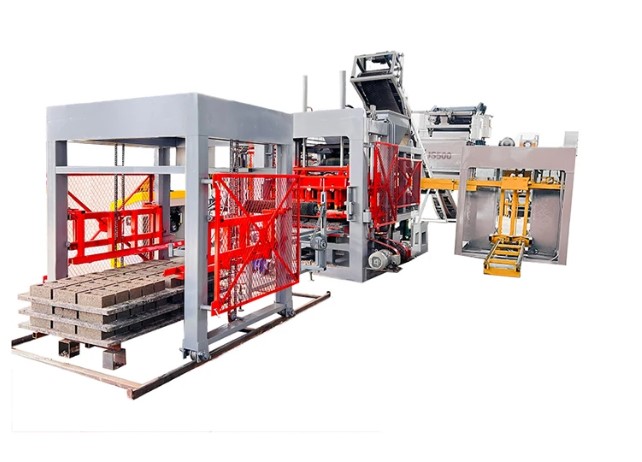
The qt4-16 block machine stands out in the construction industry for its adaptability with various raw materials, enabling the production of high-quality blocks at a competitive price. This machine accommodates a wide array of components, allowing factories to produce blocks that meet diverse specifications and requirements. Its ability to convert different raw materials into durable outputs not only ensures high production quality but also reduces costs, making it a favored choice in construction.
Concrete: The Primary Component
Concrete is arguably the most critical material used in the QT4-16 block machine. Known for its strength and durability, concrete forms the backbone of block production. The machine enables precise mixing and compaction, ensuring that the blocks produced are of consistent high quality. Concrete blocks are highly sought after for their robustness and are extensively used in constructing buildings, bridges, and roads, providing a solid foundation.
Incorporating Fly Ash for Eco-Friendliness
Fly ash is a byproduct of coal combustion in power plants and is used in block production due to its beneficial properties. When mixed with concrete, fly ash enhances the strength and density of blocks. The QT4-16 block machine effectively integrates fly ash, resulting in a product that is both high-quality and environmentally friendly. Using fly ash not only reduces the cost of production but also contributes to sustainable building practices by recycling waste material.
Utilizing Sand for Block Production
Sand plays a pivotal role in the manufacturing of concrete blocks. It serves as a fine aggregate that, when combined with cement and other materials, forms a composite that cures into hard, durable blocks. The QT4-16 machine ensures optimal sand distribution within each block, enhancing their structural integrity. Sand's affordability makes the production process cheaper without compromising on quality.
The Role of Aggregates in Block Durability
Aggregates, such as crushed stone or gravel, provide blocks with their mass and contribute significantly to their structural strength. The QT4-16 machine adeptly processes different aggregates to produce blocks of varying densities and strengths, catering to different construction needs. By utilizing locally sourced aggregates, factories can keep production costs low while maintaining the high quality of the finished blocks.
Incorporating Recycled Materials in Blocks
Recycling plays a vital role in reducing the environmental impact of production processes. The QT4-16 block machine can process recycled materials, such as crushed concrete waste or glass, into blocks. These recycled components provide a cost-effective alternative to traditional materials, offering a cheaper production solution while maintaining product quality. Utilizing recycled materials aligns with sustainable building initiatives and can significantly reduce manufacturing costs.
Pigments for Aesthetic Enhancements
Pigments are often added to blocks to enhance their appearance, resulting in visually appealing structures. The QT4-16 block machine is capable of integrating a range of pigments to produce colored blocks. These added pigments do not affect the block's structural integrity, and their inclusion allows for greater design flexibility in construction projects. This capability makes the QT4-16 machine an attractive option for projects requiring both functional and aesthetic considerations.
Special Additives for Enhanced Performance
Various additives can be incorporated in block production to improve the performance characteristics of the blocks. These additives may include air-entraining agents, water reducers, or accelerators. The QT4-16 block machine efficiently mixes these additives into the block composition, resulting in higher-quality products with specific desired properties, such as increased resistance to weathering or faster curing times. This adaptability allows factories to produce specialized blocks that meet specific project requirements.
Water: The Essential Binding Element
Water is a critical component in the block-making process, as it initiates the chemical reaction necessary for cement to harden and bind with other materials. The QT4-16 block machine ensures precisely controlled water distribution, which is essential for achieving the high quality and uniformity of the blocks. Proper hydration is crucial for the curing process, ultimately affecting the strength and durability of the finished product.
Future Materials for QT4-16 Block Machines
Innovation in building materials continues to evolve, presenting opportunities for the QT4-16 block machine to integrate new materials into its production process. Future developments may include the use of nanomaterials or advanced composites, which could enhance block durability and performance. By staying at the forefront of material advancements, the QT4-16 machine can maintain its reputation for producing high-quality, cost-effective blocks suitable for modern construction needs.
Aichen Provide Solutions
Aichen is committed to supporting your construction projects with reliable, efficient block-making solutions. Our expertise ensures that you have access to a wide range of materials suitable for the QT4-16 block machine, allowing for high-quality production at a cheap cost. We offer guidance in selecting the right mix of materials to meet your specific requirements, guaranteeing the durability and aesthetic appeal of your blocks. Trust Aichen to provide you with the solutions needed for your block manufacturing success.