

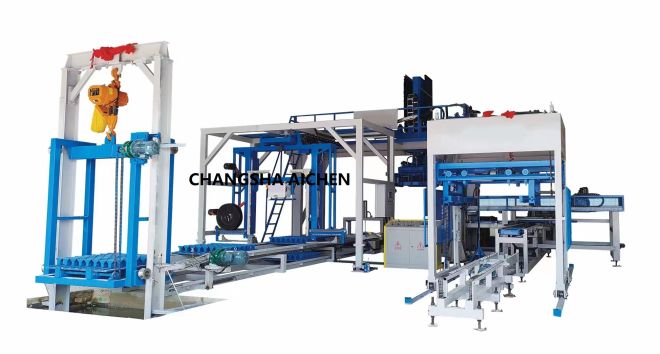
concrete block making machines have become a staple in the construction industry, offering efficient and high-quality solutions for building needs. These machines enable the production of durable and versatile concrete blocks, which form the backbone of modern construction projects. Understanding the intricacies of block machine manufacturing is crucial for industry professionals aiming to optimize productivity, ensure quality, and adapt to innovations in the field.
Introduction to Block Machine Manufacturing Process
● Overview of Block Machine Production
The concrete block making machine industry has witnessed rapid advancements over the years, with modern machinery offering enhanced capabilities for a wide range of construction applications. These machines are integral in producing concrete blocks, which are essential components in building infrastructures such as walls, foundations, and pavements. With increasing demand for sustainable and cost-effective building solutions, investing in a high quality concrete block making machine can provide a significant advantage in the competitive construction market.
● Importance in Construction Industry
Concrete blocks are favored for their strength, longevity, and design flexibility. As a result, a concrete block making machine manufacturer plays a pivotal role in the construction supply chain. By producing uniform and reliable blocks, these manufacturers enable builders to reduce construction time, manage costs more effectively, and achieve high-quality results consistently. Whether professionals choose to buy concrete block making machines for extensive operations or small-scale projects, the choice profoundly impacts construction efficiency and sustainability.
Raw Material Preparation for Concrete Blocks
● Key Ingredients and Their Roles
The quality of the concrete blocks heavily relies on the careful selection and preparation of raw materials. Essential ingredients include cement, sand, gravel, and water. Cement acts as the binding agent, while sand fills the gaps between aggregates, contributing to the block's stability. Gravel provides structural integrity, and water facilitates the chemical reaction necessary for setting the concrete. Proper material selection and handling are prerequisites for producing durable and aesthetically pleasing blocks.
● Proportional Mixing for Optimal Integrity
Achieving the right mix of ingredients is crucial for ensuring the block's strength and durability. Manufacturers must adhere to specific ratios depending on the desired block characteristics and the machinery used. Innovative concrete block making machine factories employ automated systems to precisely measure and mix these components, minimizing human error and ensuring consistency across batches.
Understanding the Production Process of Block Machines
● From Material Preparation to Molding
The production process begins with the preparation of raw materials, followed by their transfer to the block making machine for mixing and molding. Advanced machines automate much of this process, significantly enhancing efficiency. The concrete mixture is then poured into molds, compacted, and finally shaped into blocks. This systematic approach ensures uniformity and quality across all produced units.
● Operational Differences in Machine Types
Concrete block making machines vary widely, from manual to semi-automatic and fully automatic models. Manual machines are suitable for small-scale operations, providing a low-cost entry point for beginners. Semi-automatic machines offer a balance between cost and efficiency, while fully automatic machines provide unparalleled speed and precision, suitable for large-scale manufacturing. Finding a cheap concrete block making machine that meets specific project needs requires careful consideration of these operational variations.
Detailed Examination of Curing Techniques
● Various Curing Methods and Their Advantages
Curing is a critical phase in block production, influencing the final product's strength and durability. Common curing methods include steam curing, water curing, and curing compounds. Steam curing accelerates the process by introducing heat and moisture, making it ideal for high-volume production. Water curing is cost-effective and environmentally friendly, enhancing the block's long-term resilience. Curing compounds offer convenience by forming a moisture-retaining coating over the blocks.
● Duration and Application Based on Conditions
The curing duration depends on the method used and the environmental conditions. Manufacturers must balance efficiency with quality, ensuring blocks are adequately cured before use. This balance is essential for maintaining the structural integrity of blocks, especially when exposed to varying weather conditions.
Quality Control Measures in Block Production
● Importance of Testing and Standards Adherence
Quality control is paramount in concrete block production. Manufacturers should adhere to rigorous testing protocols to ensure their products meet industry standards. This involves regular inspections, testing for compressive strength, and ensuring dimensional accuracy. High quality concrete block making machines incorporate advanced features for monitoring and maintaining these standards throughout the production process.
● Continuous Monitoring from Start to Finish
By adopting continuous monitoring systems, manufacturers can detect and rectify issues promptly, reducing waste and ensuring consistent block quality. This proactive approach allows manufacturers to maintain a competitive edge by producing reliable and durable products that meet client expectations.
Production Capabilities of Different Block Machines
● Comparison of Manual, Semi-Automatic, and Automatic Machines
Each type of block machine offers distinct production capabilities. Manual machines are limited by human labor but can be ideal for small, specialized runs. Semi-automatic machines bridge the gap, offering increased output with less human intervention. Automatic block machines represent the pinnacle of efficiency, capable of producing thousands of blocks daily with minimal labor, making them the preferred choice for large-scale manufacturers.
● Impacts on Production Volume and Efficiency
Choosing the right machine involves evaluating production needs, budget constraints, and long-term goals. A manufacturer must weigh the initial investment against the potential for increased productivity and reduced labor costs. By selecting the appropriate model, manufacturers can optimize their operations and enhance their market position.
Role of Technology in Enhancing Block Production
● Innovations in Block-Making Machinery
Technological advancements have revolutionized block machine production, introducing features like computerized controls, precision mold alignment, and automated material handling systems. These innovations improve the precision and consistency of block production, offering manufacturers greater flexibility and control over the final product's characteristics.
● Automation Benefits and Challenges
While automation increases efficiency and reduces human error, it also demands significant investment and technical expertise. Manufacturers must address these challenges by investing in skilled personnel and maintenance programs to ensure their machines operate at peak performance.
Economic and Environmental Impact of Block Machines
● Cost-Effectiveness and Sustainability
Investing in modern block making machines enhances cost-effectiveness by reducing waste and optimizing material use. Additionally, these machines contribute to sustainability by promoting the use of eco-friendly materials and energy-efficient processes. As environmental regulations tighten, adopting green manufacturing practices becomes increasingly essential for competitive edge.
● Reduction of Waste and Resource Optimization
Efficient block machines minimize resource waste by enhancing precision in material handling and processing. This reduction not only lowers operational costs but also aligns manufacturers with global efforts to reduce carbon footprints and promote sustainable development.
Challenges in the Block Manufacturing Process
● Common Issues and Troubleshooting Methods
Despite technological advancements, block manufacturers often face challenges such as equipment breakdowns, inconsistent material supply, and quality control issues. To mitigate these challenges, regular maintenance, staff training, and strategic supplier partnerships are essential. By adopting a proactive approach, manufacturers can minimize downtime and maintain productivity.
● Strategies for Improvement
Continuous improvement strategies involve investing in research and development, embracing new technologies, and enhancing workforce skills. By fostering a culture of innovation and excellence, manufacturers can stay ahead of industry trends and maintain competitive advantage.
Future Trends in Block Machine Manufacturing
● Emerging Technologies and Materials
The future of block machine manufacturing lies in the integration of smart technologies and sustainable materials. Innovations such as 3D printing, IoT-enabled monitoring systems, and the development of eco-friendly concrete alternatives are set to redefine the industry, offering unprecedented opportunities for growth and diversification.
● The Evolution of Industry Practices and Standards
As global construction demands evolve, block machine manufacturers must adapt by embracing new practices and standards. This adaptation involves fostering collaboration across the supply chain and committing to sustainable development goals, ensuring a resilient and thriving industry future.
Company Introduction: Aichen
Changsha Aichen, located in Changsha city, Hunan province of China, has been a pioneer in the research and development, manufacture, and sales of concrete block making machines since 1999. Aichen manufactures a wide selection of concrete-product machines and block production lines, including brick machines, block forming machines, automatic block production lines, and more, using the latest global technology and quality management standards. Aichen’s commitment to using economical and green materials allows them to produce a diverse range of concrete masonry products, vital for applications from building construction to erosion control.


