

Introduction to the Article's Main Theme
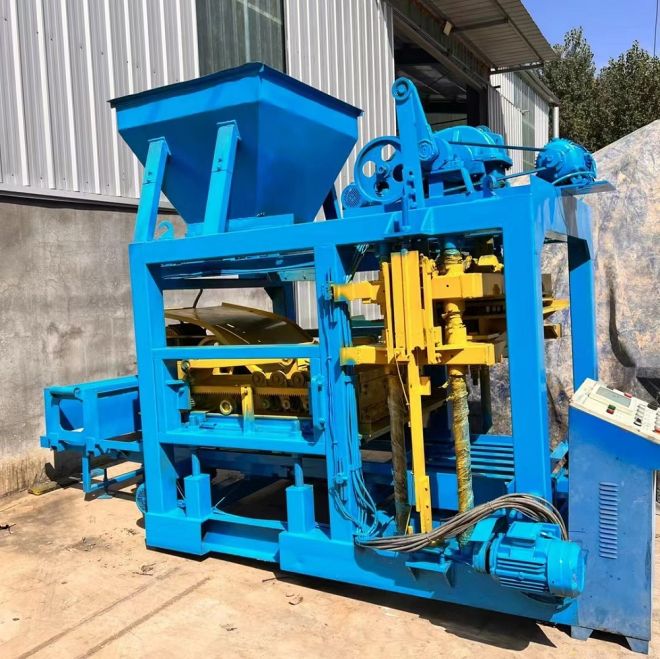
The construction industry is ever-evolving, driven by innovations that enhance efficiency, sustainability, and aesthetics. Among these innovations, concrete block machinery stands out as a pivotal component in modern construction. These machines revolutionize how concrete blocks are manufactured, offering numerous benefits that extend beyond mere construction efficiency. In this comprehensive article, we will explore the historical evolution, current trends, societal impacts, economic implications, scientific perspectives, environmental considerations, ethical issues, future prospects, and ultimately, provide a summary of the significance of concrete block machinery. Additionally, we will introduce Changsha Aichen, a notable player in this industry.
Historical Background and Evolution
● Origins and Early Developments
The history of concrete block machinery dates back to the early 20th century when the need for efficient building materials became paramount. Initially, concrete blocks were manufactured manually, a labor-intensive process that limited production capacity and consistency. The introduction of machinery marked a significant shift, allowing for mass production and uniformity. Early designs were rudimentary, but they laid the groundwork for subsequent innovations.
● Key Milestones and Changes Over Time
Over the decades, concrete block machinery has undergone significant transformations. The introduction of automated systems in the mid-20th century marked a major milestone. These advancements not only increased production rates but also enhanced the quality of the blocks. Further innovations in the late 20th and early 21st centuries, such as the incorporation of computer-aided design (CAD) and programmable logic controllers (PLCs), have revolutionized the industry even further.
Current Trends and Innovations
● Latest Advancements in the Field
Today, the concrete block machinery industry is characterized by remarkable technological advancements. Modern machines are equipped with sophisticated sensors and automation technologies, enabling precision and efficiency. Innovations such as 3D printing and artificial intelligence (AI) are beginning to make their mark, promising even greater advancements in the near future.
● Emerging Trends to Watch
One of the most notable trends is the increasing demand for sustainable construction materials. Concrete block machinery manufacturers are focusing on eco-friendly solutions, utilizing recycled materials and energy-efficient processes. Additionally, the rise of smart factories, where machines communicate and optimize production autonomously, is set to redefine the landscape of concrete block manufacturing.
Impact on Society and Culture
● Societal Changes Influenced by the Topic
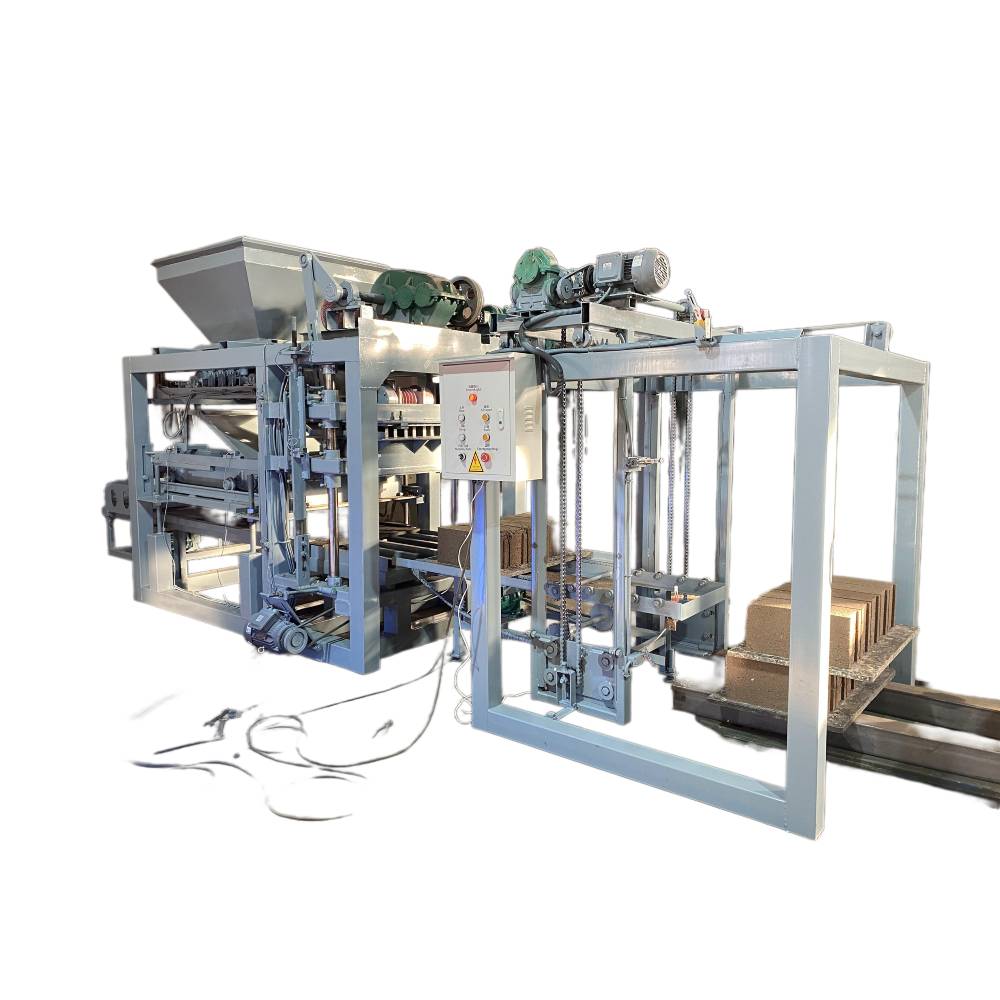
Concrete block machinery has had a profound impact on society. By enabling the mass production of affordable and durable building materials, it has played a crucial role in urbanization and infrastructure development. This, in turn, has contributed to improved living standards and economic growth in many regions around the world.
● Cultural Shifts and Adaptations
The widespread adoption of concrete blocks has also influenced architectural styles and building practices. Modern architecture often incorporates concrete blocks due to their versatility and aesthetic appeal. This cultural shift towards embracing concrete as a primary building material has transformed cityscapes globally.
Economic Implications and Market Dynamics
● Financial Aspects and Industry Changes
The concrete block machinery industry is a significant economic driver. The ability to produce high-quality blocks at scale has enabled developers to meet the growing demand for residential, commercial, and industrial construction. As a result, the industry has seen substantial growth and investment.
● Market Trends and Future Outlook
The market for concrete block machinery is expected to continue its upward trajectory. Increasing urbanization, coupled with rising awareness of sustainable building practices, is driving demand. Manufacturers and suppliers are expanding their offerings to cater to diverse market needs, from small-scale urban developments to large infrastructure projects.
Scientific and Technological Perspectives
● Scientific Discoveries Related to the Topic
Scientific research has played a crucial role in advancing concrete block machinery. Studies on material properties, curing processes, and structural integrity have informed the design and functionality of modern machines. Innovations such as self-healing concrete and advanced composite materials are direct results of ongoing scientific exploration.
● Technological Advancements and Applications
Technological advancements have significantly enhanced the capabilities of concrete block machinery. Automation technologies, such as robotic arms and conveyor systems, have streamlined production processes. Furthermore, the integration of the Industrial Internet of Things (IIoT) has enabled real-time monitoring and optimization of manufacturing operations.
Environmental and Sustainability Considerations
● Environmental Impact and Sustainability Practices
The environmental impact of concrete block production is a critical consideration. Traditional manufacturing processes can be resource-intensive and generate significant waste. However, modern concrete block machinery manufacturers are adopting sustainable practices, such as using recycled materials and reducing energy consumption. These efforts are aimed at minimizing the environmental footprint of concrete block production.
● Future Challenges and Potential Solutions
Despite the progress made, challenges remain. The construction industry must continue to innovate to address issues such as carbon emissions and resource depletion. Future solutions may include advancements in carbon capture technologies, further optimization of production processes, and the development of new, sustainable materials.
Ethical and Legal Issues
● Ethical Dilemmas and Debates
The widespread use of concrete blocks raises ethical considerations, particularly regarding labor practices and environmental impact. Ensuring fair labor practices in the manufacturing process is paramount. Additionally, ethical debates often center around the balance between development and environmental conservation.
● Legal Frameworks and Regulations
The industry is governed by a robust legal framework that ensures safety, quality, and environmental compliance. Regulations vary by region but generally include standards for material composition, manufacturing processes, and worker safety. Compliance with these regulations is essential for maintaining industry standards and public trust.
Future Prospects and Predictions
● Potential Future Developments
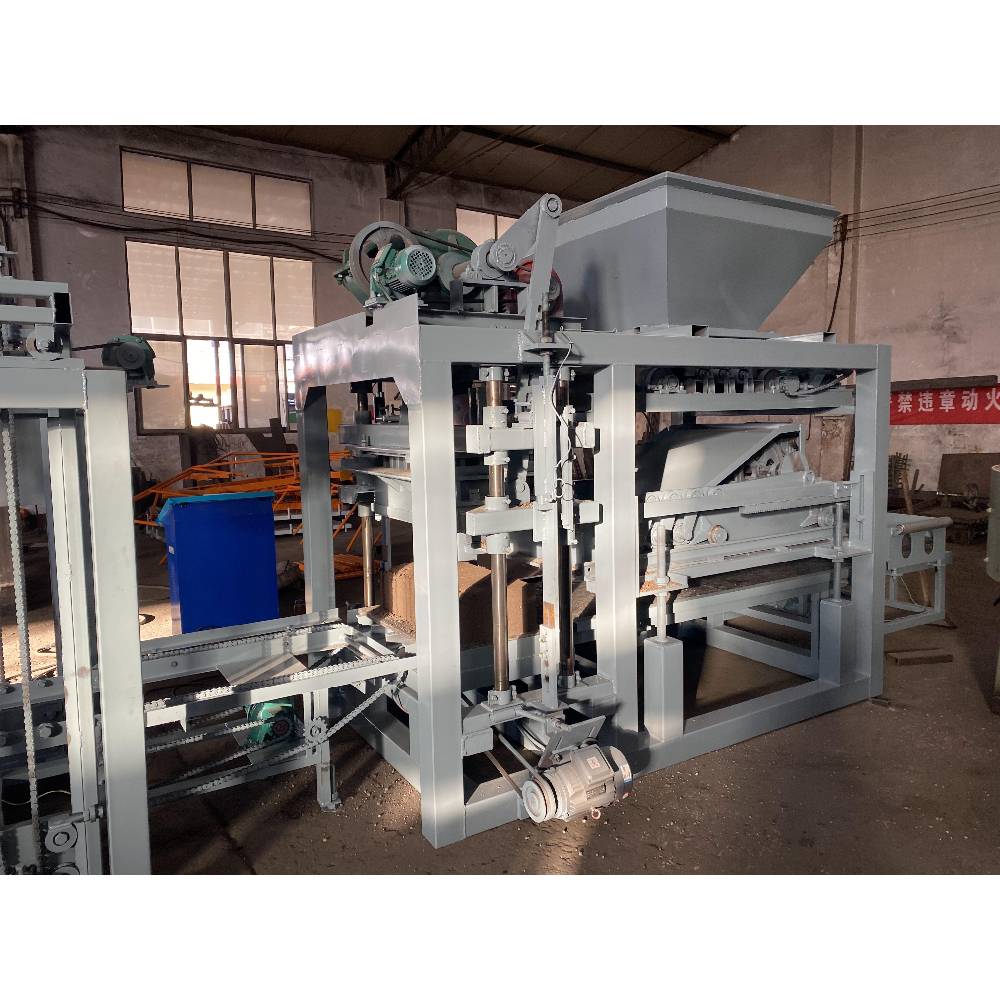
The future of concrete block machinery is bright, with numerous potential developments on the horizon. Advances in automation, AI, and material science are likely to drive further innovations. The integration of smart technologies will enable manufacturers to produce more efficient and customizable blocks.
● Expert Predictions and Forecasts
Industry experts predict continued growth in the demand for concrete block machinery. As urbanization and infrastructure development accelerate globally, the need for efficient and sustainable building materials will remain high. Manufacturers that embrace innovation and sustainability are well-positioned to thrive in this dynamic market.
Conclusion and Summary
● Recap of Key Points
Concrete block machinery has evolved significantly since its inception, driven by technological advancements and changing market demands. It has had a profound impact on society, culture, and the economy, enabling the mass production of durable and affordable building materials. The industry continues to innovate, with a strong focus on sustainability and efficiency.
● Final Thoughts and Calls to Action
As the concrete block machinery industry moves forward, it is essential for manufacturers, suppliers, and stakeholders to prioritize innovation and sustainability. By adopting advanced technologies and eco-friendly practices, the industry can continue to meet the growing demand for high-quality building materials while minimizing its environmental footprint.
About Changsha Aichen
Changsha Aichen, located in Changsha city, Hunan province of China, has been at the forefront of the concrete block machinery industry since 1999. The company is dedicated to the research, development, manufacture, and sales of concrete block making machines. Aichen produces a wide range of machines and production lines, including brick machines, block forming machines, and automatic production lines. Utilizing the latest global technology and quality standards, Aichen manufactures products that are economical, green, and versatile, serving various construction needs worldwide.


