

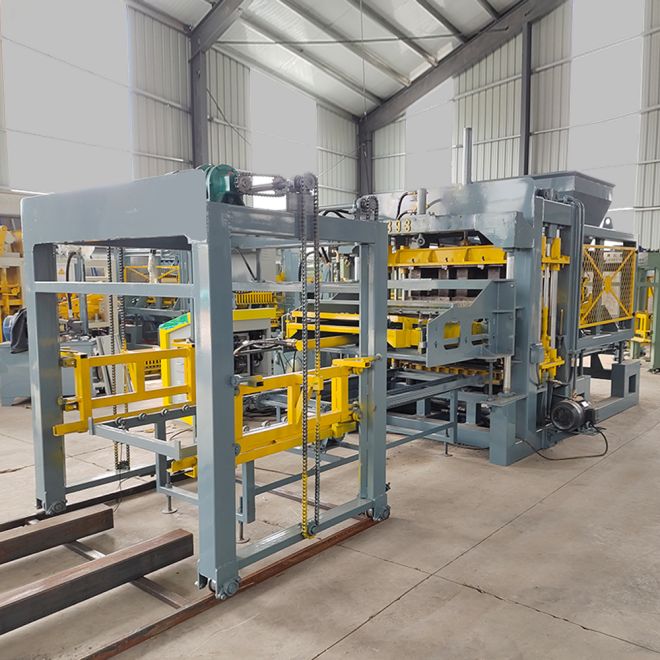
Introduction to Block Making Machines
Block making machines are essential tools in the construction industry, used to produce concrete blocks for a wide range of structural applications such as building foundations, walls, and pavements. With the industry's growing demand, there is a critical decision to make between choosing manual block making machines and automatic block making machines. Each type has its unique benefits and drawbacks, impacting production volume, investment costs, and operational requirements. Understanding the key differences is crucial for manufacturers aiming to optimize their operations.
Basic Functionality of Block Making Machines
Understanding the Production Process
The primary function of a block making machine is to mix raw materials such as cement, sand, and water, mold them into various shapes and sizes, and cure them to form sturdy blocks. These machines can cater to both standard and custom-sized blocks, making them versatile tools for diverse construction projects.
Manual block machines: Overview
Mechanism and Operation
Manual block making machines operate with significant human intervention. Workers are responsible for loading raw materials, operating the machine, and handling the finished products. This type of machine is typically favored in startups or small-scale operations due to its lower initial cost.
Advantages of Manual Block Machines
Cost-Effectiveness
Manual block machines are generally cheaper to purchase, making them a viable option for businesses with limited capital. These machines do not require sophisticated infrastructure or technology, which significantly reduces the upfront investment.
Flexibility for Small-Scale Production
For businesses focusing on small-scale production, manual machines offer the flexibility needed to meet modest output requirements without the necessity for expensive machinery or skilled labor.
Limitations of Manual Block Machines
Labor-Intensiveness
One of the main drawbacks of manual block machines is the intense labor requirement. These machines can be inefficient in terms of time and energy, often requiring a significant workforce to manage the production process, increasing operational expenses over time.
Limited Production Capacity
Manual machines struggle to meet high production demands due to their limited output capacity. For factories seeking high-volume manufacturing, manual machines may not be able to deliver the necessary output efficiently.
Automatic Block Machines: Overview
Operational Efficiency
Automatic block making machines are designed to streamline the production process by reducing human intervention. Equipped with advanced technology, these machines efficiently handle tasks from raw material loading to block curing, significantly enhancing the speed and consistency of production.
Advantages of Automatic Block Machines
High Production Capacity
Automatic machines excel in producing a high volume of blocks within a short time frame, making them ideal for large-scale construction projects. Their advanced systems can handle large batches without sacrificing quality, offering consistent results across production cycles.
Labor Cost Reduction
By minimizing the need for manual labor, automatic machines reduce operational costs over time. This reduction in workforce reliance allows businesses to allocate resources more efficiently, ultimately leading to increased profitability.
Challenges of Automatic Block Machines
High Initial Investment
The advanced technology and mechanization of automatic block machines come at a higher cost. While these machines offer long-term savings and increased efficiency, the upfront investment can be significant, potentially deterring budget-conscious businesses.
Need for Skilled Management
Operating automatic machines typically requires skilled personnel capable of managing and maintaining their complex systems. Businesses must invest in training or hiring experienced operators to ensure optimal machine performance and longevity.
Factors Influencing Machine Choice
Production Requirements and Budget
The decision between manual and automatic block machines should be driven by the business's production needs and budget constraints. Startups with limited capital may prefer manual machines for their affordability, while established companies might opt for automatic machines to scale up production and enhance efficiency.
Long-Term Business Goals
Understanding long-term business objectives is crucial when choosing between these machines. Companies aiming for rapid expansion and high-volume production are likely to benefit more from automatic machines, whereas those seeking low-volume, cost-effective production might find manual machines more suitable.
Conclusion: Making the Right Decision
Choosing between manual and automatic block making machines is a strategic decision that can significantly impact a factory's operations and profitability. Each type of machine offers unique advantages and limitations, and aligning the choice with specific business goals, production needs, and financial capacity is essential. By carefully evaluating these factors, businesses can maximize their production efficiency and output.
Aichen Provide Solutions
Aichen offers tailored solutions to help businesses choose the right block making machinery that aligns with their production goals and budget. Our expertise ensures you receive the highest quality equipment, whether opting for the cost-effective manual machines or the high-efficiency automatic machines. By partnering with Aichen, you gain access to customized support and innovative machinery solutions designed to enhance your factory's productivity and growth potential.


