
Introduction to Concrete Block Demand
Concrete blocks have long been acknowledged as a fundamental component in the construction industry. Their significance has only grown over the years due to their durability, cost-efficiency, and versatility. In understanding the demand for concrete blocks, it's crucial to consider various factors such as global economic conditions, technological advancements, and changes in urban development patterns.
● Overview of Concrete Blocks in Construction
Concrete blocks, often referred to as concrete masonry units (CMUs), are essential for numerous construction applications ranging from residential to commercial buildings. These blocks provide structural integrity, thermal insulation, and fire resistance, making them an indispensable choice for builders and developers. The worldwide adoption of concrete blocks can be attributed to their ease of use and adaptability to different design specifications.
● Rising Need for Durable Building Materials
As construction projects around the globe proliferate, the need for durable and long-lasting building materials becomes increasingly vital. Concrete blocks serve this requirement excellently, given their robustness and longevity. The demand is not just limited to new constructions but also extends to renovation and expansion projects, where durable materials are a prerequisite.
Factors Driving the Demand
Several factors contribute to the burgeoning demand for concrete blocks. These include urbanization, infrastructure development, and the global rise in construction activities.
● Urbanization and Infrastructure Development
Urbanization is a significant driver of concrete block demand. As more people migrate to urban areas, cities expand and require new residential, commercial, and industrial buildings. Infrastructure projects such as roads, bridges, and public facilities also demand substantial quantities of concrete blocks, further driving the market.
● Rising Construction Activities Globally
The global construction industry has seen unprecedented growth over the last few decades. Emerging economies in Asia, Africa, and South America are investing heavily in infrastructure and housing, thereby escalating the demand for concrete blocks. Developed countries are also seeing a surge in construction activities aimed at modernizing old buildings and constructing sustainable, energy-efficient structures.
Role of Concrete Blocks in Modern Architecture
Concrete blocks are not only crucial for their structural benefits but also for their adaptability in modern architectural designs. They offer immense flexibility, allowing architects to experiment with various forms and finishes.
● Versatility in Construction Uses
One of the standout features of concrete blocks is their versatility. They can be used in load-bearing and non-load-bearing walls, partition walls, and even in aesthetic applications such as facades. This versatility makes them a go-to choice for various construction needs, boosting their demand across multiple sectors.
● Design and Structural Benefits
Modern architecture often demands both form and function. Concrete blocks meet these requirements by providing a strong structural base while allowing for innovative design elements. Architects appreciate the ability to customize blocks for specific textures, colors, and sizes, which adds a unique aesthetic value to their projects.
Economic Impact on Demand
Economics play a pivotal role in the demand for concrete blocks. The cost-effectiveness of these blocks makes them an attractive option for builders and developers working within tight budgets.
● Cost-Effectiveness of Concrete Blocks
Concrete blocks are relatively inexpensive compared to other building materials like steel and wood. Their affordability, coupled with their long life and low maintenance, provides excellent value for money. This economic advantage is a significant factor driving their widespread use.
● Influence on Construction Budgets
The reasonable cost of concrete blocks allows construction projects to allocate their budgets more effectively. Savings made on building materials can be redirected to other crucial aspects of the project, such as labor, technology, and interior design. This budgetary flexibility makes concrete blocks a preferred choice for many developers.
Technological Advancements Boosting Demand
The concrete block industry has benefited immensely from technological advancements. These innovations not only enhance the quality of the blocks but also make their production more efficient and environmentally friendly.
● Innovations in Block-Making Technology
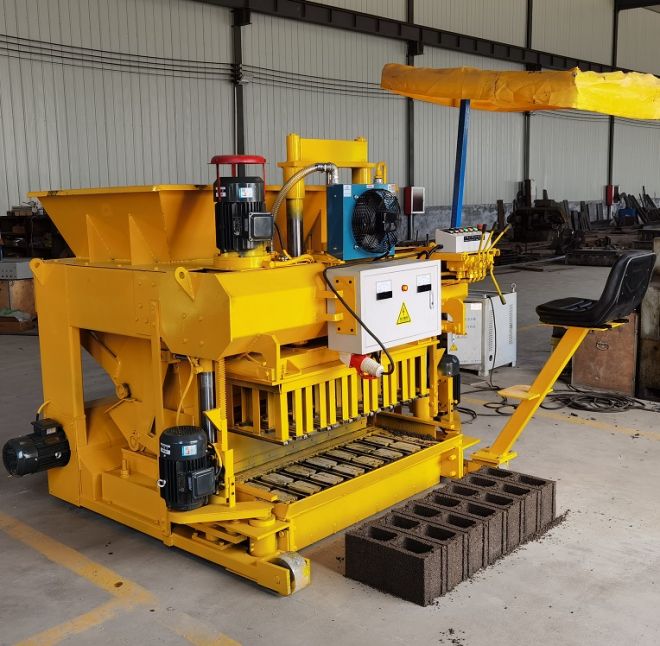
Recent years have seen remarkable advancements in block-making technology. Modern machines capable of producing high-quality blocks at faster rates have revolutionized the industry. concrete block maker manufacturers now offer automated and semi-automated systems that ensure consistency and precision in block production.
● Automated Manufacturing Processes
The automation of block production has led to significant increases in efficiency and output. Wholesale concrete block makers can now meet large orders within shorter timeframes, catering to the high demand from massive construction projects. Custom concrete block makers also benefit from automation by easily adjusting their production lines to meet specific client requirements.
Environmental Considerations
In an era where sustainability is paramount, the environmental impact of construction materials cannot be overlooked. Concrete blocks present a relatively eco-friendly option compared to other materials.
● Eco-Friendly Aspects of Concrete Blocks
Concrete blocks are made from natural and recyclable materials, which minimize their environmental footprint. Moreover, their durability means fewer resources are needed for repairs and replacements, contributing to long-term sustainability.
● Sustainable Building Practices
The use of concrete blocks aligns with sustainable building practices. They offer excellent thermal insulation properties, reducing the energy consumption of buildings. This energy efficiency is a critical factor as the world moves towards greener construction solutions.
Regional Demand Variations
The demand for concrete blocks varies significantly across different regions, influenced by local construction trends, economic conditions, and regulatory frameworks.
● Demand Trends in Different Continents
In North America and Europe, the demand for concrete blocks is driven primarily by renovation and sustainability projects. In contrast, Asia and Africa are witnessing a surge in demand due to rapid urbanization and infrastructure development. These regional differences necessitate tailored strategies for concrete block maker suppliers.
● Growth in Emerging Markets
Emerging markets present immense opportunities for concrete block makers. Countries like India, China, and Brazil are investing heavily in infrastructure, thereby creating substantial demand for concrete blocks. Wholesale concrete block makers are increasingly focusing on these markets to capitalize on the growth potential.
Challenges Facing the Concrete Block Industry
Despite the robust demand, the concrete block industry faces several challenges that need to be addressed to ensure sustainable growth.
● Supply Chain and Raw Material Issues
One of the primary challenges is the fluctuating supply of raw materials. Availability of key inputs like cement, sand, and aggregates can be inconsistent, affecting production schedules and costs. Concrete block maker manufacturers need to establish reliable supply chains to mitigate these issues.
● Regulatory and Compliance Hurdles
The construction industry is subject to stringent regulations and standards, which can vary significantly from one region to another. Navigating these regulatory landscapes requires a deep understanding of local laws and compliance requirements. Custom concrete block makers must ensure their products meet all relevant standards to remain competitive.
Market Forecast and Future Trends
The future of the concrete block industry looks promising, with several trends indicating continued growth and evolution.
● Projections for the Next Decade
Industry experts predict that the demand for concrete blocks will continue to rise over the next decade. Factors such as population growth, urbanization, and the need for sustainable construction materials will drive this demand. Concrete block maker suppliers are expected to expand their production capacities to meet these rising needs.
● Potential Areas of Growth
Innovation and sustainability will be crucial areas of growth. Concrete block makers are likely to invest more in research and development to create advanced, eco-friendly products that cater to modern construction demands. Additionally, there will be a focus on developing multifunctional blocks that offer additional features like improved insulation and soundproofing.
Conclusion and Summary
In summary, the demand for concrete blocks is driven by a combination of economic, technological, and environmental factors. As the construction industry continues to evolve, concrete blocks will remain a pivotal element owing to their versatility, cost-effectiveness, and sustainability. Concrete block maker manufacturers, suppliers, and custom makers have a significant role to play in meeting this demand by leveraging technological advancements and adhering to sustainable practices.
Introducing Changsha Aichen
Changsha Aichen is located in Changsha city, Hunan province of China. We are committed to the research and development, manufacture, and sales of concrete block making machines since 1999. Aichen manufactures a wide selection of concrete-product machines and block production lines, including brick machines, block forming machines, automatic block production lines, semi-automatic block machines, multifunction block machines, cement brick machines, cement block machines, paving block machines, cinder block machines, and more. We offer comprehensive customer service, from consulting to post-sales support, ensuring our clients receive optimal solutions for their concrete machinery needs. Please contact us for further information.


