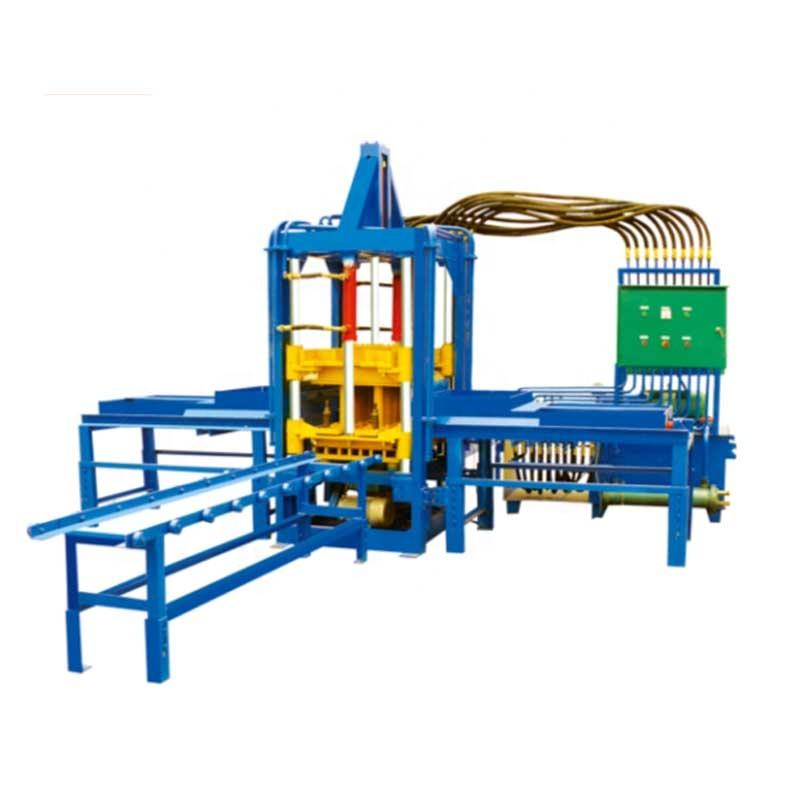


Incorrect Mix Ratios: A Common Issue
The problem of incorrect mix ratios is a prevalent concern in the operation of automatic hollow block machines. This issue arises when the proportions of cement, sand, and aggregates are not balanced, leading to structural weaknesses in the produced blocks. Adherence to specified mix ratios is crucial in ensuring block integrity.
Importance of Accurate Mix Ratios
Accurate mix ratios are vital to achieve the desired strength and uniformity in blocks. An incorrect mix can result in brittle, weak, or irregular blocks, affecting both performance and safety. Automated systems must have precise calibration to maintain these ratios consistently.
Poor Curing Practices Affecting Block Quality
Curing practices greatly influence the final strength of hollow blocks. Improper curing, such as inadequate moisture or time, often results in poor block durability. The curing process should be conducted in a controlled environment to prevent defects.
Ideal Curing Conditions
Maintaining adequate moisture levels and adhering to recommended curing times are essential steps. For example, keeping blocks in a humid environment for at least 7 days can significantly enhance their strength and durability. This process ensures the hydration of cement, which is critical for block integrity.
Low-Quality Raw Materials in Production
The use of substandard raw materials often leads to defective blocks. High-quality raw materials are essential to ensure that blocks meet the necessary durability and strength standards. Contaminated or poorly graded aggregates can compromise block quality.
Parameters for Raw Material Quality
Key parameters include the purity of aggregates and the strength grade of cement. For instance, utilizing OPC (Ordinary Portland Cement) with a compressive strength of 53 MPa can contribute to the production of superior quality blocks.
Machine Calibration and Settings Problems
Regular calibration of block making machines is necessary to avoid production inconsistencies. Issues such as incorrect pressure settings or vibration frequencies can lead to uneven block surfaces or dimensional inaccuracies.
Optimal Machine Settings
Correct machine settings should be verified through routine checks. Ensuring the proper pressure and vibration frequency, typically around 500 to 700 kN and 50 to 60 Hz respectively, can improve block compaction and consistency.
Insufficient Compaction Leading to Weak Blocks
Insufficient compaction during the molding process can cause air pockets in blocks, resulting in weak structures. Proper compaction is achieved through the right combination of pressure and vibration during production.
Impact of Proper Compaction
Effective compaction increases block density and eliminates voids. It is essential for manufacturers to monitor compaction processes closely to guarantee the production of high-quality blocks.
Operator Errors in Machine Handling
Human errors in the operation of automatic block machines can lead to defects and inefficiencies. Consistent training and adherence to operational protocols are critical in minimizing these errors.
Training Programs for Operators
Implementing comprehensive training programs for operators can reduce mishandling of machinery. Regular updates and refreshers on machine operation ensure that operators remain proficient.
Neglecting Regular Maintenance of Machinery
Failure to perform regular maintenance on block making machines can cause wear and tear, leading to malfunctions and reduced block quality. Proactive maintenance schedules are necessary for smooth machine operations.
Maintenance Frequency and Checklist
Regular maintenance, including lubrication and cleaning of key components, should be performed as per manufacturer recommendations, often monthly or based on operational hours. Key areas include the mold assembly and hydraulic systems.
Challenges with Technological Integration
The integration of advanced technologies in block making processes poses challenges, especially for manufacturers aiming to adopt automation. Complexities include software compatibility and system synchronization issues.
Simplifying Technological Integration
Adopting a modular approach to technology integration can ease compatibility issues. Engaging with technology specialists for installation and setup can also facilitate smoother transitions.
Economic Barriers to Technological Adoption
The high initial cost of adopting advanced block-making technologies serves as a barrier for many manufacturers, particularly small and medium enterprises. Exploring economic solutions is crucial for wider adoption.
Cost-Effective Solutions for Manufacturers
Leasing options or financing programs can be viable solutions to mitigate upfront costs, allowing manufacturers to access high-quality technology at a cheaper initial investment.
Addressing Technological Obsolescence
The rapid pace of technological advancements can lead to equipment obsolescence. Continuous upgrades are necessary to maintain competitive manufacturing capabilities and block quality.
Strategic Equipment Upgrades
Manufacturers should plan regular equipment assessments and schedule upgrades strategically. This approach ensures sustained operation efficiency and keeps pace with industry advancements.
Aichen Provide Solutions
To tackle these common issues, Aichen offers comprehensive solutions. Investing in high-quality machinery, conducting regular maintenance, and ensuring operator training are critical steps. Implementing precise calibration and consistent monitoring can enhance block quality significantly. Additionally, Aichen provides affordable solutions through financing and leasing options, making high-quality technology accessible to all manufacturers, thereby improving overall production efficiency and block integrity.
User hot search: hollow block machine automatic