
Assessing the Need for Integration
In the ever-evolving landscape of manufacturing, the integration of automation into production lines has become a focal point for efficiency and scalability. The decision to integrate a fully automatic solid block making machine into an existing production line requires a nuanced understanding of current operations, production goals, and long-term business strategies. Companies aiming for high-quality output and improved productivity must weigh the potential benefits against the logistical and financial implications of such integration.
Current Production Challenges
Manufacturers often face challenges such as labor costs, inconsistent block quality, and limited production capacity. These obstacles can significantly hinder growth and profitability. Addressing these issues through automation can lead to enhanced efficiency and product consistency, making it a crucial consideration for manufacturers looking to buy and integrate high-quality automation solutions.
Market Demands and Trends
The construction industry’s increasing demand for faster and more reliable block production is driving manufacturers to adopt advanced technologies. Understanding these market trends is essential for businesses to remain competitive and meet customer expectations.
Understanding Fully Automatic Solid Block Machines
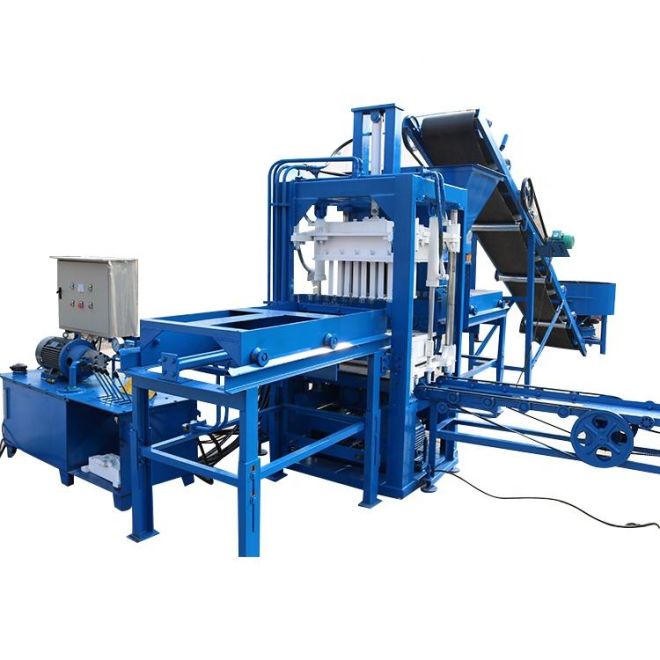
Fully automatic solid block making machines are at the forefront of innovation in concrete product manufacturing. These machines are designed to minimize human intervention and maximize production efficiency through advanced technologies such as programmable logic controls and integrated hydraulic systems.
Key Features and Capabilities
- Automated feeding systems that ensure consistent material input.
- Hydraulic systems for high-pressure compaction, producing blocks with uniform density.
- Programmable controls for precise operation and reduced manual errors.
Advantages Over Traditional Methods
These machines offer numerous advantages, including increased production speed, enhanced block quality, and reduced labor costs. By buying a fully automatic machine from a reputable manufacturer, businesses can achieve significant improvements in their operational efficiency and output quality.
Compatibility with Existing Infrastructure
Integrating a new machine into an existing production line requires careful assessment of infrastructure compatibility. This includes evaluating current space, electrical supplies, and workflow processes to ensure seamless integration.
Space and Layout Considerations
Manufacturers must assess available space for the new machine and plan for any necessary adjustments in layout. Efficient space utilization is crucial for optimizing production flow and minimizing disruptions during integration.
Electrical and Technical Requirements
Fully automatic machines often require specific electrical setups and technical modifications. Ensuring compatibility with existing systems is essential for smooth operation and to prevent potential downtime or operational issues.
Financial Implications and Investment Considerations
While the initial investment in a fully automatic machine can be substantial, the long-term benefits often justify the cost. Manufacturers must evaluate the return on investment by considering factors such as increased production capacity, labor savings, and improved product quality.
Cost-Benefit Analysis
Conducting a thorough cost-benefit analysis helps businesses understand the financial impact of integration. This includes calculating potential savings from reduced labor needs and increased production efficiency, which can offset the initial purchase cost.
Financing and Budgeting
Businesses may explore various financing options to manage the upfront investment. Strategic budgeting and financial planning are critical for aligning the integration with broader business objectives.
Production Capacity and Efficiency Gains
One of the primary drivers for integrating a fully automatic machine is the potential for significant production capacity increases. These machines can produce thousands of blocks per shift, allowing manufacturers to meet higher demand without compromising quality.
Cycle Time Reduction
Automatic machines offer faster cycle times compared to manual or semi-automatic systems. This efficiency gain translates into increased output and the ability to quickly adapt to changing market needs.
Consistent Quality and Output
Automation ensures consistent block quality by minimizing human error and maintaining precise control over the production process. This consistency is crucial for manufacturers aiming to deliver high-quality products to their customers.
Technological and Operational Benefits
Integrating advanced machinery into production lines provides numerous technological and operational benefits, including enhanced process control and reduced reliance on skilled labor.
Advanced Process Monitoring
Fully automatic machines are equipped with sophisticated monitoring systems that provide real-time data on production metrics. This capability enables manufacturers to make informed decisions and optimize production processes continuously.
Labor and Resource Optimization
By automating repetitive tasks, manufacturers can reallocate labor resources to more strategic roles, enhancing overall workforce efficiency and productivity.
Selecting the Right Machine for Integration
Choosing the appropriate machine involves more than just considering the price. Manufacturers must evaluate machine specifications, production needs, and available features to ensure alignment with business goals.
Critical Selection Criteria
- Production capacity and cycle time.
- Machine durability and maintenance requirements.
- Manufacturer support and after-sales service.
Vendor and Manufacturer Partnerships
Establishing strong relationships with machine manufacturers can facilitate successful integration. Reputable manufacturers offer valuable support services, ensuring optimal performance and longevity of the equipment.
Implementation Timeline and Planning
Careful planning of the integration timeline is essential to minimize disruptions and ensure a smooth transition. This involves setting realistic milestones and coordinating with all stakeholders involved in the process.
Phased Implementation Approach
- Initial assessment and planning.
- Infrastructure preparation and modifications.
- Installation, testing, and commissioning of the machine.
Contingency Planning and Risk Management
Developing contingency plans helps mitigate potential risks during integration. This includes preparing for unexpected delays or technical challenges that may arise.
Training and Skill Development for Operators
Successful integration of a fully automatic machine requires operators to possess the necessary skills and knowledge to manage advanced technologies effectively.
Comprehensive Training Programs
Manufacturers should invest in comprehensive training programs that cover machine operation, maintenance procedures, and troubleshooting techniques to equip operators with the skills needed for efficient machine management.
Continuous Learning and Development
Encouraging a culture of continuous learning ensures operators stay updated with the latest advancements in automation technology, contributing to sustained efficiency and performance improvements.
Long-term Sustainability and Future Growth
Integrating a fully automatic machine can position manufacturers for long-term sustainability and expansion. Leveraging the capabilities of automation supports strategic growth initiatives and market competitiveness.
Scalability and Flexibility
The scalability of automated systems allows manufacturers to adapt to future production demands without requiring significant additional investments, providing a competitive edge in dynamic markets.
Environmental and Economic Benefits
Automated production lines are often more energy-efficient, reducing environmental impact and lowering operational costs. These sustainability advantages align with growing industry emphasis on eco-friendly practices.
Aichen Provide Solutions
For businesses considering the integration of a fully automatic solid block making machine, Aichen offers comprehensive solutions tailored to your unique production needs. Our team provides expert guidance on machine selection, financial planning, and implementation strategies to ensure a seamless transition. By partnering with Aichen, manufacturers can achieve enhanced production efficiency, high-quality output, and sustained growth in a competitive market. Reach out to us for tailored support and start transforming your production line today.


