
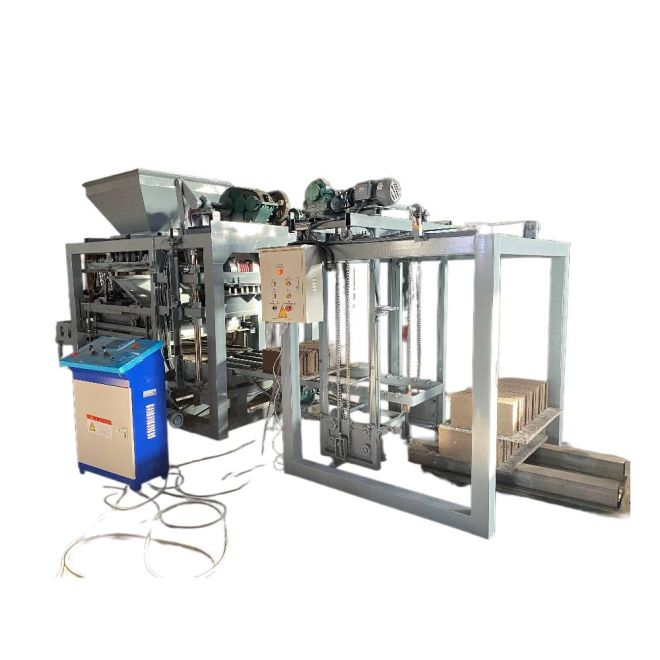
In the rapidly evolving construction industry, the demand for high-quality construction materials continues to grow. Automatic block making machines have emerged as essential equipment, offering efficient production of concrete blocks, bricks, and other masonry products. As demand soars, selecting the ideal machine for your production needs becomes crucial. This article delves into the many facets involved in purchasing an automatic block making machine, helping you navigate through your options to secure the best choice for your operations.
Understanding Production Requirements
● Daily Production Capacity Needs
When considering the purchase of an automatic block making machine, the first factor to assess is the production capacity required for your specific needs. Determine your daily or weekly output targets to ensure that the machine you select can meet these demands. Whether you need to produce thousands of blocks per day or have a more modest requirement, understanding capacity is crucial in avoiding underperformance or excessive investment in a machine.
● Types of Blocks to be Produced
The type of blocks you intend to manufacture will influence your choice of a machine. From hollow blocks and solid bricks to interlocking revetment blocks and turf blocks, various machines specialize in different block types. Ensure that the machine can accommodate the specific molds and configurations required for your product line, giving you the versatility needed for diverse projects.
Navigating Technical Parameters
● Different Forming Methods: Hydroforming vs. Vibratory Forming
Automatic block making machines typically employ different forming mechanisms, such as hydroforming or vibratory forming. Hydroforming ensures high precision and uniform density, ideal for producing strong and durable products. Vibratory forming, on the other hand, is known for its efficiency and speed, suitable for high-production environments. Understand the benefits and limitations of each method to choose the right one for your operations.
● Equipment Specifications: Size, Weight, Power
The size, weight, and power consumption of an automatic block making machine are integral considerations. Evaluate your available space, facility infrastructure, and power supply capabilities to ensure compatibility with the machine specifications. A machine too large for your premises or requiring significant power adjustments may lead to unnecessary complications and costs.
Deciding on Level of Automation
● Fully Automated vs. Semi-Automated Machines
Automation level is a significant factor when choosing a machine. Fully automated machines offer higher efficiency, reduced labor costs, and consistent quality, but come with a higher price tag. Conversely, semi-automated machines provide more cost-effective solutions with the necessity for manual intervention. Balance your budget and production goals to determine the appropriate level of automation.
● Availability of Human Resources
Consider the availability and expertise of your workforce when selecting an automatic block making machine. Fully automated systems require skilled technicians for maintenance and troubleshooting, while semi-automated machines rely heavily on manual operation. Ensure that your team possesses the necessary skills or that you have plans for training and development.
Evaluating Raw Material Adaptability
● Compatibility with Existing Production Materials
Investigate whether the automatic block making machine is compatible with the raw materials currently used in your operations. Some machines are specifically designed for certain types of materials, while others offer greater versatility. Compatibility ensures seamless integration into your existing processes, minimizing disruptions and reducing the learning curve.
● Adjustments for Diverse Raw Materials
If your production involves a variety of raw materials or if you plan to expand your product range, opt for a machine that allows easy adjustments. The ability to adapt to different materials, such as using different aggregates or cement mixtures, enhances your production flexibility and market responsiveness.
Assessing Equipment Quality and Reliability
● Importance of Brand Reputation
The reputation of the automatic block making machine manufacturer is crucial in ensuring that you receive a high-quality product. Reputable brands often provide better performance, durability, and after-sales support. Research the track record of various manufacturers and choose one that is renowned for reliability and innovation.
● User Reviews and Performance Evaluations
Examine user reviews and performance evaluations of the machines you are considering. Feedback from current users can provide valuable insights into the machine's strengths, weaknesses, and overall efficacy. Performance evaluations conducted by industry experts also contribute to an informed purchasing decision.
Importance of After-Sales Service and Maintenance
● Warranty Policies and Their Implications
A robust warranty policy is an indicator of the manufacturer's confidence in their product. Investigate the warranty terms associated with the automatic block making machine, including the coverage period and what it entails. A comprehensive warranty offers peace of mind and financial protection against potential defects or malfunctions.
● Availability of Technical Support and Training
Purchasing an automatic block making machine is a long-term investment. Ensure that the manufacturer offers accessible technical support and training programs. Support services and training are invaluable in optimizing machine performance, mitigating operational challenges, and enhancing the skills of your workforce.
Balancing Costs and Budgets
● Purchase Costs vs. Value for Money
While cost is a crucial factor in purchasing decisions, it should be balanced with the value offered by the machine. Evaluate the long-term benefits, efficiency gains, and return on investment to determine if a seemingly expensive machine is justifiable. Sometimes, a cheap automatic block making machine may incur higher operating and maintenance costs in the long run.
● Long-Term Operating Costs Considerations
Beyond the initial purchase cost, consider the long-term expenses associated with running and maintaining the machine. These include energy consumption, spare parts, and potential downtime costs. A high-quality automatic block making machine with lower operating costs can prove more economical over its lifespan.
Compliance with Environmental and Safety Standards
● Adhering to Local Environmental Regulations
In the current era of environmental consciousness, ensuring that your automatic block making machine aligns with local environmental regulations is essential. Machines that consume resources efficiently and minimize waste contribute to sustainable practices and can qualify for environmental certifications.
● Ensuring Operator and Environmental Safety
The safety of your operators and the surrounding environment should be paramount. Select a machine that incorporates safety features such as emergency shut-offs, protective guards, and low-emission technologies. Safe design aspects not only protect your workforce but also enhance productivity and reduce liability risks.
Ensuring Equipment Safety Features
● Safe Design Aspects and Operation Protocols
Evaluate the safety features built into the automatic block making machine. Adequate safety features, such as robust construction, reliable sensors, and easy-to-use controls, are crucial in preventing accidents and injuries. Additionally, comprehensive operation protocols contribute to smooth and safe machine handling.
● Minimizing Hazards During Equipment Use
Hazard minimization is an integral aspect of machine selection. Investigate the manufacturer's commitment to safety and hazard reduction in their equipment design. Machines that prioritize user safety and adhere to stringent safety standards safeguard your operations and uphold industry best practices.
Understanding Equipment Availability and Delivery Times
● Impact on Production Schedules
Before finalizing your purchase, inquire about the availability and estimated delivery time of the machine. Delays in equipment acquisition can affect production schedules, leading to missed deadlines and potential financial losses. Prioritize manufacturers with a reputation for timely deliveries and efficient logistics.
● Avoiding Project Delays Due to Delivery Issues
Investigate the manufacturer's ability to provide spare parts and service personnel promptly. Delays in acquiring replacement parts can cause unnecessary downtime. Choose a manufacturer or automatic block making machine factory with a robust supply chain, ensuring timely access to spare parts and technical assistance.
● Introducing Changsha Aichen
Changsha Aichen, located in Changsha city, Hunan province, China, has been an industry leader in the research, development, manufacture, and sale of concrete block making machines since 1999. Aichen manufactures a wide selection of machines, including brick machines, automatic and semi-automatic block production lines, and multifunction block machines, utilizing the latest global technology and quality management standards. Aichen's products, made with economical and green materials, support diverse applications from construction to hardscaping, while contributing to soil erosion control.


