

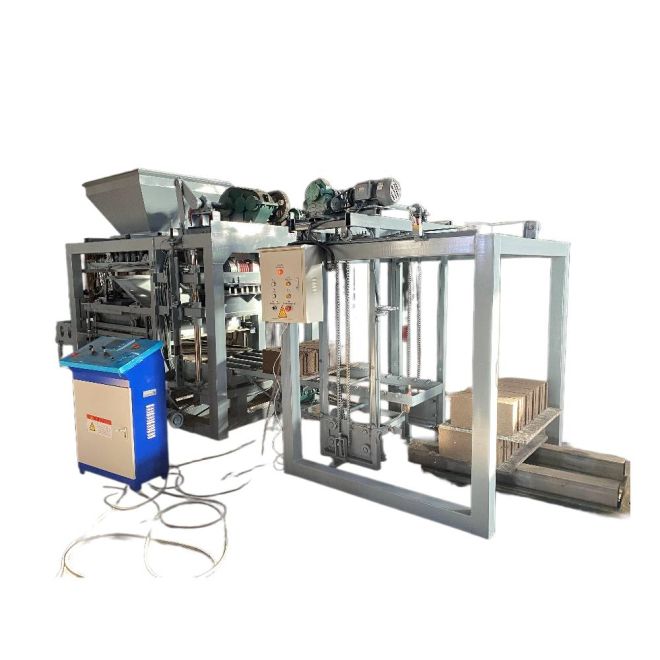
Choosing a QT4-35 block machine can feel like dating apps for factories: endless options, big price tags, and you still worry you’ll “match” with the wrong one and regret it every time a block comes out crooked.
To solve this, list your production needs, budget, and block types, then compare machine specs, after-sales support, and energy use; you can also check equipment selection guidelines from UNIDO to make a safer choice.
✅ Key capacity indicators when selecting a QT4-35 for your factory
When you choose a QT4-35 block machine, focus on real output, power needs, and labor demand. These factors decide your profit and daily production goals.
Check how the QT4-35 compares with larger models like Automatic Block Machine QT4-18 or semi-automatic lines to match your budget and growth plan.
1. Hourly and daily block output
Estimate how many blocks you must produce each day, then match it with QT4-35 cycle time and pallet capacity.
- Standard 4-inch / 6-inch / 8-inch hollow bricks
- Shift length (8–10 hours)
- Expected future demand growth
2. Power and fuel consumption
Confirm your local voltage, phase, and power stability before purchase. Stable power keeps output steady and protects the vibration system.
| Item | Key Point |
|---|---|
| Main motor | Match with breaker and cable size |
| Oil pump motor | Check running current and start load |
| Backup power | Plan for generator if grid is weak |
3. Labor requirement per shift
QT4-35 is usually semi-automatic. Plan workers for feeding, pallet handling, and curing yard to avoid bottlenecks.
- 1 operator for control panel
- 1–2 workers for raw materials and pallets
- 1–2 workers in curing and stacking area
4. Maintenance and spare part cost
Compare mold price, wear parts life, and local service. Low-cost parts keep your production cost stable over years.
| Part | Typical Check |
|---|---|
| Molds | Wear on corners and cavities |
| Vibration plates | Cracks and loosening |
| Hydraulic seals | Oil leaks and pressure loss |
🧱 Matching QT4-35 mold types with your product specifications
QT4-35 supports many mold designs. Choosing the right mold set helps you serve local projects and win more orders with one machine.
Plan mold sizes based on real market needs before buying, and compare with lines like the QT4-25C block machine automatic concrete making machine price for higher output options.
1. Standard hollow blocks and solid bricks
Most users start with common hollow and solid sizes to sell into housing and wall projects.
- 390×190×190 mm hollow block
- 390×150×190 mm hollow block
- 230×110×70 mm solid brick (or local standard)
2. Paving blocks and interlocking bricks
You can add paving molds to supply road, parking, and garden projects with higher value products.
| Product | Use | Benefit |
|---|---|---|
| Interlocking pavers | Road, sidewalk | High strength, easy laying |
| Grass pavers | Parking, garden | Permeable, eco friendly |
3. Market demand comparison by product type
Use simple data analysis to decide which molds to buy first for your QT4-35 block machine.
4. Mold material and heat treatment quality
Good mold steel and heat treatment extend life and keep block size accurate and consistent.
- Prefer high-strength alloy steel molds
- Ask for hardness range (usually HRC 50–55)
- Check welds and finishes inside cavity
⚙️ Evaluating QT4-35 vibration system for block strength and stability
The vibration system decides block density, edge quality, and long-term strength. Study vibration force, frequency, and structure before you invest.
Strong but balanced vibration also cuts cement use and reduces product waste.
1. Vibration force and frequency range
Make sure the motor and vibrator can give strong compaction without damaging molds or frame.
- Check rated vibration force (kN)
- Confirm stable frequency during full load
- Ask supplier for sample block test report
2. Vibration transmission design
Good design sends power directly into the concrete, not into the frame, and keeps pallets safe.
| Design Area | What to Check |
|---|---|
| Vibration table | Flatness and thickness |
| Rubber pads | Elasticity and wear |
| Frame welds | No cracks under test run |
3. Impact on block quality and cement saving
Stable vibration makes blocks denser, reduces chips, and lets you use less cement for the same strength class.
- Inspect block corners and edges after demolding
- Compare weight and sound of cured blocks
- Track broken or rejected pieces per batch
🏭 Planning factory layout and workflow around a QT4-35 installation
Good layout cuts handling time, saves labor, and avoids accidents. Plan the QT4-35 line flow before you pour any concrete base.
Consider raw materials, curing area, and truck movement so daily production stays smooth as volume grows.
1. Raw material feeding and storage zones
Place cement, sand, and aggregates close to the mixer and machine to reduce loader or manual travel.
- Separate dry storage for cement
- Dedicated bays for sand and gravel
- Safe path for loader or conveyor
2. Machine position, pallets, and curing yard
Arrange pallets to move in one direction: machine → curing → stacking → loading to truck.
| Area | Key Planning Point |
|---|---|
| Machine base | Thick concrete, level, vibration-resistant |
| Curing yard | Enough space for 3–7 days output |
| Stacking zone | Close to forklift path and gate |
3. Safety, drainage, and future expansion
Leave clear walking paths, plan drainage, and reserve space in case you upgrade to lines like the QT3-20 automatic concrete block making machine hydraulic block making machine price.
- Mark forklift and worker lanes
- Add roof or shade for rainy regions
- Reserve power and space for extra mixer or machine
⭐ Why Aichen QT4-35 offers reliable performance for long-term production
Aichen QT4-35 combines simple operation with durable parts, making it a strong choice for small and medium block factories.
It helps new investors start fast while keeping enough capacity to support steady business growth.
1. Rugged frame and proven hydraulic system
The heavy frame and stable hydraulic system keep the machine running accurately in dusty and hot environments.
- Thick steel plates and strong welds
- Reliable pump and valves
- Standard, easy-to-source seals and hoses
2. Flexible mold change and product range
Aichen QT4-35 supports quick mold change, so you can switch between hollow blocks, solid bricks, and pavers within short downtime.
| Feature | Benefit |
|---|---|
| Fast mold lock system | Less stoppage when changing products |
| Wide mold options | Serve many projects and clients |
3. Support, training, and spare parts
Reliable technical support and clear manuals reduce learning time and help your team run and maintain the machine correctly.
- Operation and maintenance training
- Spare parts list and recommended stock
- Remote or on-site troubleshooting options
Conclusion
Choosing a QT4-35 block machine means balancing capacity, mold options, vibration quality, and layout planning. When these factors match your market, you protect your investment and gain stable profit.
Compare Aichen QT4-35 specs with your local demand, then design a simple, safe workflow. This helps you deliver strong blocks and grow your factory step by step.
Frequently Asked Questions about QT4-35 Block machine
1. How many blocks can a QT4-35 produce per day?
Output depends on block size and worker skill, but many users reach 3,000–5,000 standard hollow blocks per 8-hour shift with a smooth workflow.
2. What raw materials can the QT4-35 use?
QT4-35 can use cement, sand, crushed stone, and some industrial waste like fly ash or slag, as long as grading and moisture are well controlled.
3. How often should I change or repair the molds?
Mold life depends on steel quality, vibration strength, and maintenance. With good care, molds can often last 80,000–120,000 cycles before major repair.
4. Do I need a skilled engineer to run the QT4-35?
No. Basic technical training is enough. Operators should learn mix design, control panel steps, and daily checks on oil level, bolts, and vibration sound.
5. Can QT4-35 be upgraded later to a more automatic line?
Yes. Many factories start with QT4-35 and later add automatic stackers, belt conveyors, or upgrade to higher models while keeping molds and some equipment.


