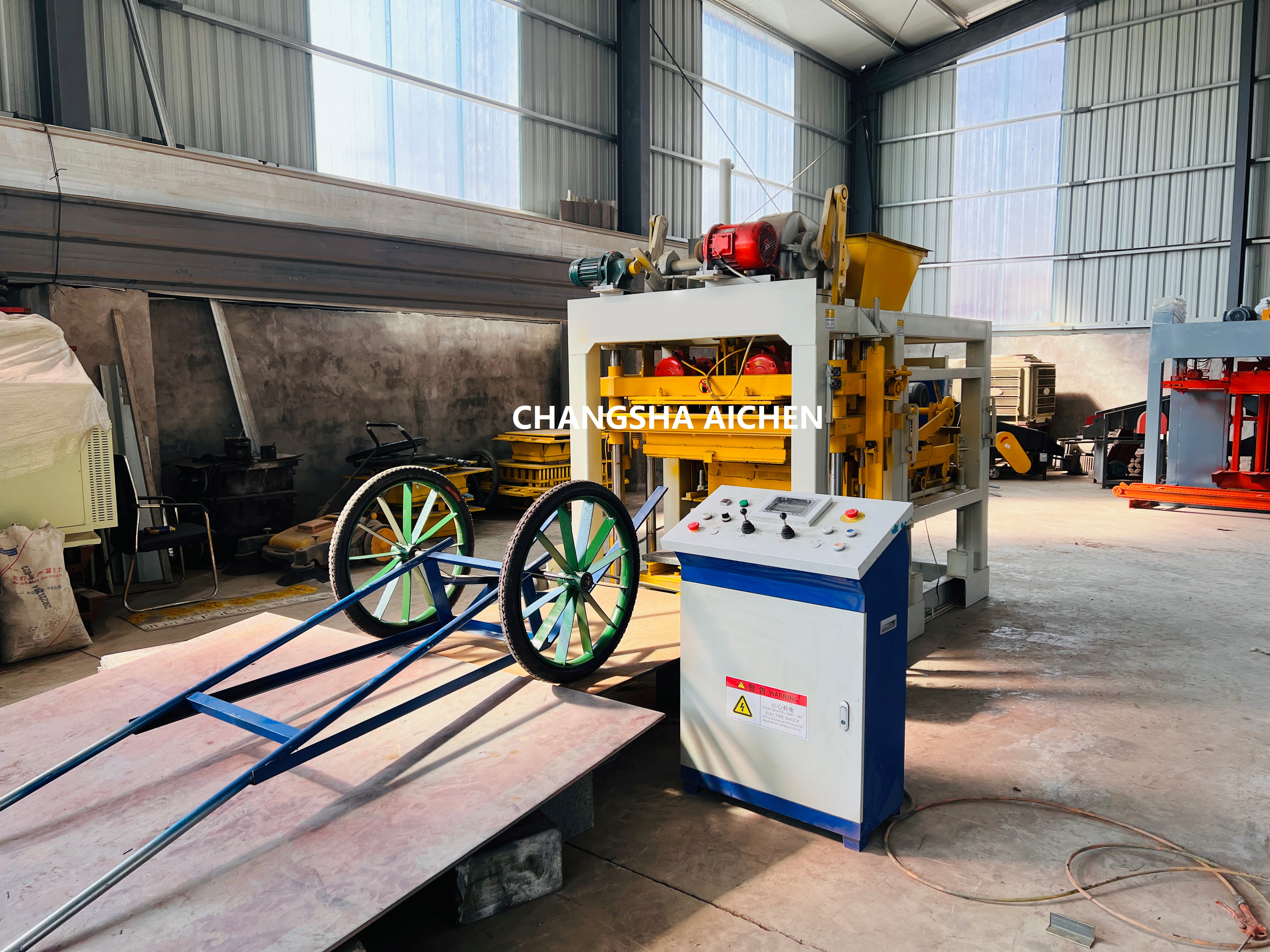
Introduction to Block Making Machines
Block making machines are pivotal in the construction industry, serving as essential tools for producing concrete blocks used in various projects. These machines range from simple manual models to sophisticated advanced systems, each catering to different production needs. Understanding the differences between simple and advanced models is crucial for making an informed decision that aligns with your business objectives, whether you're looking for cheap production solutions or aiming to maximize efficiency.
Production Capacity Differences
Simple Machines
simple block making machines are designed for small-scale operations. They typically produce 100 to 500 blocks per 8-hour shift. This makes them suitable for businesses that require lower volumes of production and can tolerate higher labor involvement.
Advanced Models
In contrast, advanced block making machines can produce up to 12,000 blocks within the same period. These machines are equipped with sophisticated technology that allows for high-speed and high-volume production, making them ideal for large factories or manufacturers looking to meet high demand efficiently.
Mobility and Flexibility
Mobility of Simple Machines
Simple block making machines, often mobile, can be easily moved around a construction site. This flexibility is beneficial for temporary or remote projects, reducing logistics costs and providing on-site block production capabilities.
Stationary Advanced Models
Advanced models are generally stationary, requiring a dedicated setup area with a concrete foundation. While less mobile, their precision and high-capacity production suit large industrial facilities where consistent and large-scale block production is prioritized over mobility.
Initial Investment Costs
Cost-Effectiveness of Simple Machines
Simple machines are generally cheaper to purchase and set up, making them an attractive choice for startups or small factories. They require less initial capital, allowing businesses to enter the market with a lower financial commitment.
High Investment for Advanced Models
Advanced block making machines involve higher initial costs, including setup and machinery expenses. These costs reflect the advanced technology and higher production capacities, which can be justified by the efficiency and output gains for larger manufacturers.
Complexity and Automation Levels
Manual Operation of Simple Machines
Simple block making machines are typically manually operated, requiring significant human intervention for material feeding and block removal. While this lowers the machinery cost, it increases labor requirements and potential for human error.
Automation Features of Advanced Models
Advanced models incorporate automation such as hydraulic systems and automatic feeders, significantly reducing the need for manual labor. This automation enhances production efficiency and consistency, crucial for large-scale manufacturers seeking operational optimization.
Quality of Produced Blocks
Variability in Simple Machine Output
Blocks produced by simple machines may vary in quality due to manual processes and lower compression pressures. This can result in inconsistent block strength and density, which may affect their suitability for certain construction projects.
Consistent Quality from Advanced Models
Advanced machines ensure high-quality output with uniform block density and strength, owing to their automated weighing and hydraulic compression systems. This makes them preferable for projects where block quality is non-negotiable, such as in large infrastructure developments.
Installation and Setup Requirements
Minimal Setup for Simple Machines
The installation of simple machines requires minimal space and infrastructure, often needing just a flat surface for operation. This makes them ideal for use in various environments without extensive preparation.
Significant Setup for Advanced Models
Advanced block making machines require a substantial setup, including a solid foundation and adequate space (800 to 1,700 square feet). They also need sufficient lighting and ventilation, highlighting their suitability for dedicated production facilities.
Maintenance and Operational Costs
Lower Maintenance for Simple Machines
Maintenance of simple machines is typically minimal and involves basic manual adjustments. This contributes to their low operational costs, appealing to businesses seeking economical solutions.
Comprehensive Maintenance for Advanced Models
Advanced models require regular maintenance of their complex systems, including hydraulic oil changes and vibration gear replacements. Despite higher maintenance costs, these machines offer prolonged operational life and reliability essential for high-volume producers.
Suitable Applications of Each Model
Targeted Use for Simple Machines
Simple machines are best suited for small construction projects, startups, and areas with limited infrastructure. Their portability and low cost make them excellent for on-site block production in remote locations.
Industrial Use for Advanced Models
Advanced machines are designed for large-scale, continuous production, fitting industrial applications such as residential developments, commercial projects, and public infrastructure. Their high output and quality support the demands of large-scale factory operations.
Making the Right Choice for Your Needs
Choosing between simple and advanced block making machines involves evaluating your production goals, budget, and operational context. Simple machines are cost-effective for new entrants or small-scale producers, while advanced models provide high efficiency and consistency for established manufacturers.
Aichen Provide Solutions
Selecting the ideal block making machine is crucial for achieving your construction and business goals. Aichen offers comprehensive solutions tailored to your needs, whether you're looking for cheap entry-level machines or advanced models that enhance production capabilities. Our expertise ensures that your choice of machine maximizes efficiency and profitability, meeting your factory's specific demands and supporting long-term growth in the competitive construction industry.