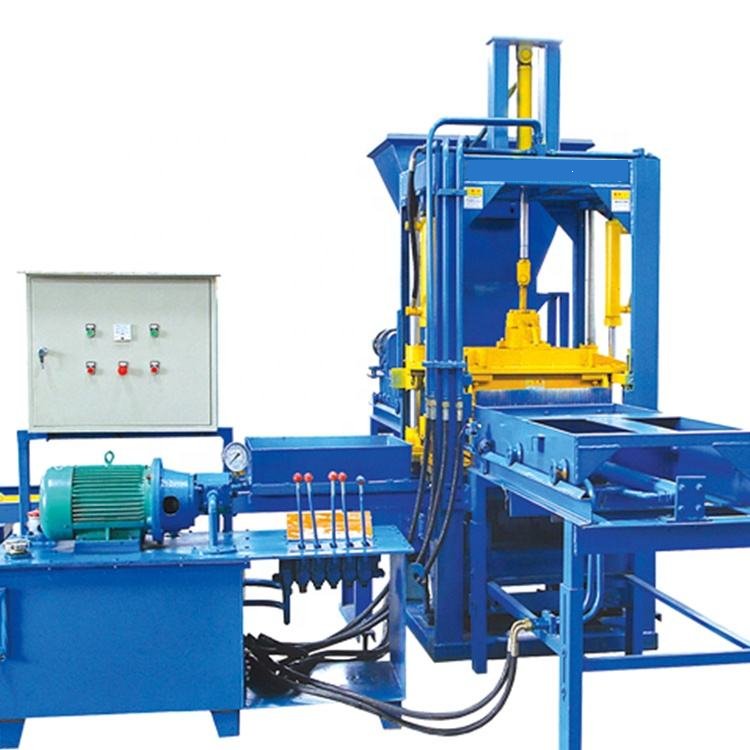

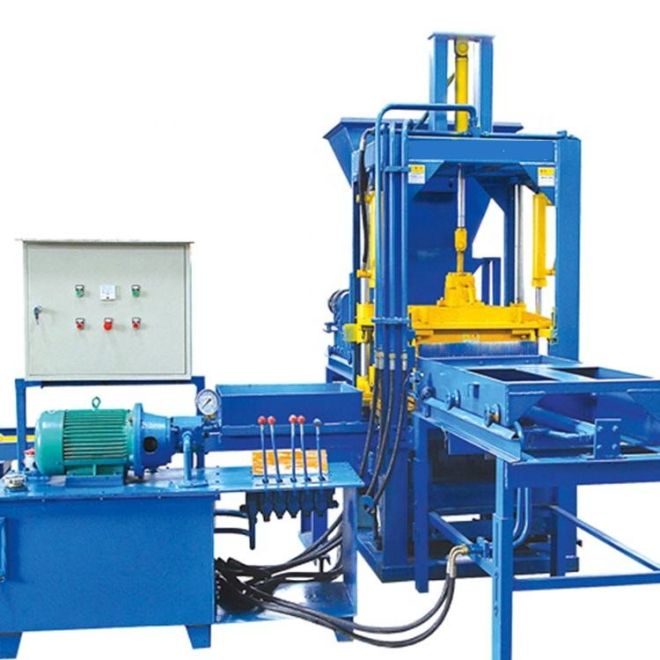
Introduction to fully automatic hollow block machines
Fully automatic hollow block machines have revolutionized the construction industry by enhancing efficiency and productivity. These machines are designed to perform multiple tasks involved in block production autonomously, significantly reducing human intervention. Understanding how these machines function can assist businesses in making informed decisions when planning to purchase high-quality and potentially cheap machinery. Let's delve into the processes and components that make these machines indispensable in modern construction.
Components of a Fully Automatic Hollow Block Machine
A fully automatic hollow block machine is composed of several key components that work together seamlessly to produce hollow blocks. Each component plays a critical role in ensuring the optimal performance of the machine.
Batching System
The batching system is responsible for measuring and combining raw materials like cement, water, sand, and aggregates. Precise batching is crucial for producing high-quality blocks. Automated systems ensure consistent measurements and mixing, which is vital for maintaining the quality of the blocks.
Control Panel
The control panel acts as the brain of the machine. It manages and synchronizes all operations, from controlling the batching system to overseeing the curing process. Modern control panels often feature touchscreens, making it user-friendly and efficient to operate.
Mixing Process in Automatic Hollow Block Production
Role of the Mixer
The mixer is a pivotal component in the hollow block machine, responsible for blending raw materials into a homogeneous mixture. The efficiency of the mixer influences the quality of the blocks, making it essential for the mixer to operate optimally.
Mixing Duration and Ingredients
The mixing process typically takes about 5-10 minutes per batch, ensuring that the mixture is consistent. Adjustments in mixing time and ingredient proportions can be made based on specific project requirements, ensuring flexibility and quality.
Moulding: Shaping the Hollow Blocks
Hydraulic System
The hydraulic system exerts pressure on the mixture to compact it into moulds. This pressure ensures that the blocks achieve the necessary strength and stability. The moulds are designed to create specific block dimensions, aiding in standardization for different construction needs.
Precision in Dimension and Design
Moulding ensures the blocks have precise dimensions, which is crucial for construction uniformity. Automated systems provide accuracy in design, producing blocks that meet high-quality standards with minimal wastage.
Automated Demoulding System
After compacting, the blocks are delicately removed from the moulds through an automated demoulding system. This system ensures the blocks maintain their shape and integrity, preventing structural damage. An efficient demoulding process minimizes handling errors and maintains the block's high-quality finish.
Curing Process and Its Importance
Hydration and Strength Development
Curing is the final step in block production, crucial for achieving the desired strength and durability. The blocks are kept in a controlled environment where they gain strength through hydration. Parameters like temperature and humidity are regulated to ensure optimal curing conditions.
Time Frame and Conditions
The curing process can range from 24 to 72 hours, depending on the materials and environmental conditions. Proper curing enhances block performance, making them suitable for various construction applications while ensuring high quality.
Advantages of Fully Automatic Hollow Block Machines
- High Production Capacity: Capable of producing 10,000 to 24,000 blocks per shift, enhancing efficiency.
- Labor Efficiency: Requires only 2 workers, significantly reducing labor costs.
- Space Efficiency: Requires minimal space, approximately 2200m², optimizing land usage.
The automation of these machines allows for consistent and reliable production, meeting the demand for high-quality hollow blocks.
Challenges and Disadvantages
- High Initial Cost: The technology and automation involved make these machines more expensive than manual alternatives.
Despite the higher initial investment, the long-term benefits, such as reduced labor costs and increased production, often make the investment worthwhile.
Choosing the Right Hollow Block Machine
Factors to Consider
When choosing a hollow block machine, consider factors such as budget constraints, production needs, and operational space. A cost-effective choice balances upfront costs with long-term savings.
Customization and Requirements
Determine the specific requirements of your construction projects, including block size and production capacity, to select a machine that aligns with your needs.
Noval Machine: A Leader in Automatic Block Machines
Innovation and Reliability
Noval Machine has established itself as a leader by offering machines that combine durability, efficiency, and advanced technology. Their commitment to customer satisfaction ensures that clients receive tailored solutions for their construction needs.
Customer Support and Quality Assurance
The company provides robust customer support and quality assurance, making them a trusted partner in the construction industry.
Aichen Provide Solutions
For businesses seeking reliable hollow block production solutions, Aichen offers a comprehensive range of fully automatic machines designed to meet diverse construction requirements. We focus on delivering high-quality and cost-effective solutions to enhance your production capacity. Our machines are engineered for durability and efficiency, ensuring you achieve maximum output with minimal input costs. Whether you're looking to buy a small-scale machine or a large-capacity plant, Aichen has the perfect solution tailored to your needs.