

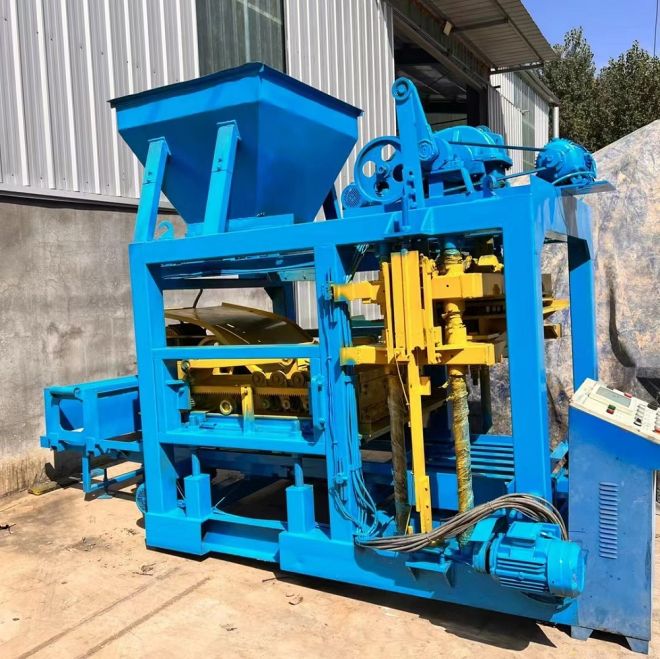
Introduction to Concrete Blocks
Concrete blocks, commonly referred to as concrete masonry units (CMUs), are fundamental building materials used in the construction of walls and other structural elements. Known for their durability, strength, and versatility, concrete blocks have been an integral part of construction since ancient times. The Roman Empire, for instance, utilized early forms of concrete to create lasting monuments and buildings. Modern-day concrete blocks have evolved significantly, thanks to advances in technology and mechanization, allowing for mass production and diverse applications.
Raw Materials for Block Making
The manufacturing process of concrete blocks begins with the selection of raw materials. The primary ingredients include powdered Portland cement, water, sand, and gravel. Each of these materials plays a crucial role in the final product's quality and characteristics:
- Portland Cement: Acts as the binder, providing the essential strength and cohesiveness.
- Water: Facilitates the chemical reaction necessary for cement hydration.
- Sand: Offers bulk and contributes to the block's fine surface texture.
- Gravel: Adds compressive strength and overall durability to the block.
Types of Concrete Blocks
Concrete blocks come in various types, each designed for specific uses and benefits:
- Standard Concrete Blocks: These are the most common type, used in general construction.
- Cinder Blocks: Made with granulated coal or volcanic cinders, they offer medium to coarse surface texture, better sound-deadening properties, and higher thermal insulation.
- Lightweight Concrete Blocks: Manufactured using expanded clay, shale, or slate, these blocks weigh less and are ideal for non-load bearing walls and partitions.
Mixing Ingredients
The first step in the block making process involves mixing the raw materials. This stage is crucial as it determines the quality and consistency of the final product:
- Material Storage: Sand and gravel are stored in silos, while cement is kept safe from moisture.
- Weighing and Blending: Materials are weighed using batchers and blended in mixers. Two primary types of mixers are used: the planetary or pan mixer and the horizontal drum mixer. The dry materials are blended first, followed by the addition of water, chemicals, and color pigments.
Molding Process
Once the ingredients are thoroughly mixed, the molding process begins:
- Transporting the Mix: The mixture is conveyed to elevated hoppers and then into molds.
- Mold Design: Molds consist of an outer mold box and inner liners that shape the block's cavities.
- Compression: The concrete is compressed into the molds using hydraulic or pneumatic systems. Vibration techniques are often employed to ensure proper compaction.
- Demolding: The formed blocks are pushed out of the molds onto steel pallets and transported via chain conveyors.
Curing Techniques
Curing is a vital step that enhances the strength and durability of the blocks. Two primary curing methods are employed:
- Low-Pressure Steam Kilns: Blocks are held at room temperature for initial hardening, followed by gradual temperature increases using steam.
- High-Pressure Steam Kilns (Autoclaves): Blocks are cured at higher temperatures and pressures, significantly reducing curing time while producing more blocks.
Cubing and Packaging
After curing, the blocks undergo cubing and packaging:
- Unstacking: Cured blocks are unstacked from racks and placed on a chain conveyor.
- Cubing: Blocks are aligned and stacked into cubes, facilitating easy handling and transportation.
- Packaging: The cubes are transported outside using forklifts and prepared for dispatch.
Quality Control Measures
Ensuring the quality of concrete blocks is paramount. Key quality control measures include:
- Material Weighing: Electronic systems measure raw material weights accurately.
- Moisture Control: Ultrasonic sensors assess the water content in sand and gravel.
- Height and Dimension Checking: Laser beam sensors verify block dimensions.
- Curing Monitoring: Automated systems track temperature, pressure, and cycle time during the curing process.
Advancements in Block Making Technologies
The block manufacturing industry has seen significant advancements, particularly with the advent of automatic block making machines. These machines, produced by leading automatic block making machine manufacturers, enhance production efficiency and quality. Advanced technologies allow for the production of up to 2,000 blocks per hour, significantly reducing labor costs and time. Custom automatic block making machines can be tailored to meet specific production requirements, making them ideal for a wide range of applications.
Applications and Benefits of Concrete Blocks
Concrete blocks are used in various construction applications, including load-bearing walls, non-load bearing partitions, paving, and more. Their benefits include:
- Durability: Concrete blocks offer long-term structural integrity.
- Sustainability: Made from eco-friendly materials, they contribute to sustainable construction.
- Economic Efficiency: Mass production reduces costs, making them an affordable building material.
- Versatility: Available in different shapes, sizes, and types, they cater to diverse construction needs.
Automatic Block Making Machines: Revolutionizing the Industry
The introduction of automatic block making machines has transformed the block manufacturing process. These machines automate several stages of production, from mixing and molding to curing and packaging. Leading automatic block making machine suppliers offer various models, including wholesale and custom options, to suit different production scales. The use of automatic block making machines in factories ensures consistent quality, increased production capacity, and reduced labor costs.
Introduction to Aichen
Changsha Aichen, located in Changsha city, Hunan province of China, has been a pioneer in the concrete block making machine industry since 1999. Aichen manufactures a wide selection of concrete-product machines, including brick machines, block forming machines, and automatic block production lines, all adhering to the latest global technology and quality standards. Aichen's products are known for their durability and sustainability, making them suitable for various construction applications. With over 20 years of experience, Aichen is dedicated to providing comprehensive customer service, from consultation to product support. For more information, please visit their website or contact them directly.


