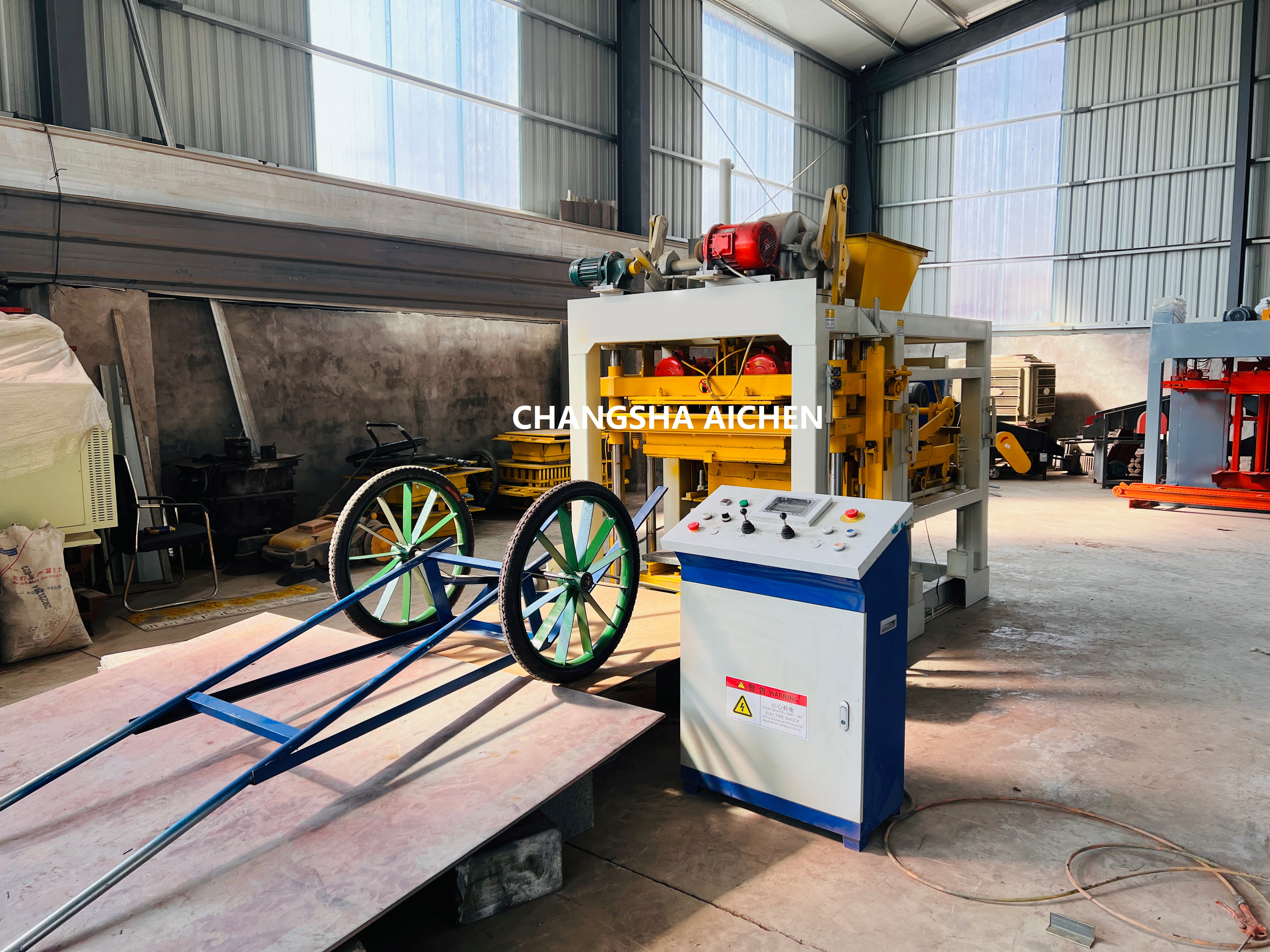
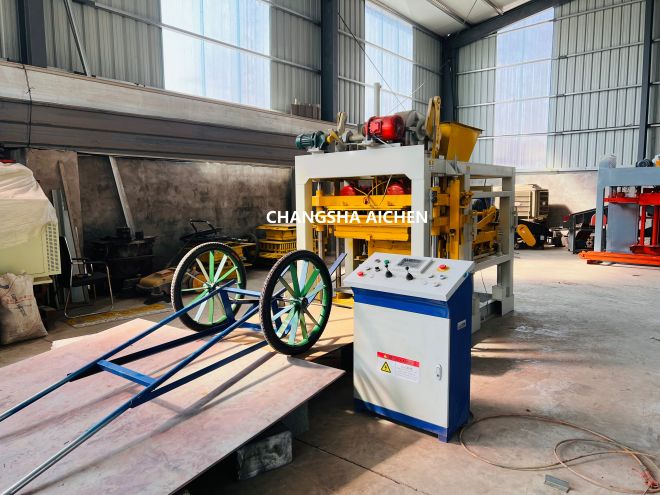
Initial Investment and Cost Effectiveness
When evaluating block-making machines, the initial investment is a crucial factor. Semi-automatic block machines generally require a higher upfront capital compared to manual block machines. Manual block machines can be particularly appealing for startups and small factories with limited budgets due to their cheap initial cost. However, it's important to consider the long-term financial implications. While semi-automatic machines demand a greater initial outlay, they offer significant cost savings in the long run by reducing labor costs and increasing production efficiency. Manufacturers often provide financing options to help ease the upfront financial burden, making semi-automatic machines a compelling choice for businesses planning for expansion.
Labor Requirements and Cost Implications
Manual Labor Dependency
One of the stark differences between semi-automatic and manual block machines lies in their labor dependency. Manual block machines rely heavily on human labor for operation, which can significantly impact production costs. The need for a larger workforce can make operation labor-intensive, raising expenses related to wages, training, and employee turnover.
Labor Reduction with Semi-Automatic Machines
In contrast, semi-automatic machines require less manual intervention. This reduction in labor not only decreases operational costs but also minimizes the risks inherent in human error. Factories choosing semi-automatic options can allocate their human resources more efficiently, thereby optimizing labor expenses.
Production Capacity and Time Efficiency
Output Rates of Manual Machines
Manual block machines typically have limited production capacities, often producing fewer than 1,000 blocks per day depending on the workforce's efficiency. This rate is acceptable for small-scale operations but can hinder growth and scalability.
Efficiency of Semi-Automatic Machines
Semi-automatic machines, on the other hand, can significantly enhance production rates, often manufacturing several thousand blocks per day with consistent quality. This high output capability not only reduces the time to complete projects but also positions businesses to meet larger market demands efficiently.
Block Quality and Consistency
Consistency in block quality is a vital consideration for manufacturers. Manual machines often produce blocks with varying quality due to the manual handling involved. In contrast, semi-automatic machines with standardized operation procedures ensure uniformity in block density and strength. This consistency is crucial for maintaining factory reputation and meeting industry standards.
Flexibility and Versatility in Operations
Adaptability of Manual Machines
Manual block machines are limited in their adaptability for various block designs and specifications. They are suitable for specific tasks but may struggle to accommodate diverse projects.
Versatility of Semi-Automatic Machines
- Capability to switch molds for different block types, including hollow and solid blocks.
- Enhanced adaptability for various construction requirements.
- Ability to integrate additional features like color mixing and varied design patterns.
This flexibility allows factories to expand their product offerings without investing in separate machinery.
Maintenance and Operational Complexity
Maintenance is an essential aspect of machine operation. Manual block machines are relatively simple in design, making them easier to maintain for small factories without specialized technicians. However, they require frequent human oversight to ensure consistent operation. Semi-automatic machines, although more complex, often come equipped with diagnostic tools that help in identifying and resolving operational issues swiftly. This reduces downtime and maintains production flow, crucial for larger manufacturers.
Suitability for Different Business Scales
The choice between manual and semi-automatic block machines largely depends on the scale and objectives of a business. Manual machines are well-suited for small-scale operations and startups that require a cost-effective entry into the market. On the other hand, semi-automatic machines cater to medium to large-scale enterprises looking for high-volume production and efficiency. As businesses grow, transitioning to semi-automatic machines can be a strategic move to enhance competitiveness.
Technological Requirements and Workforce Skills
Semi-automatic block machines require skilled personnel to manage their operation and maintenance. This necessitates investment in workforce training and possibly hiring technologically proficient staff. In contrast, manual machines can be operated with basic training, which is cost-effective for businesses that prefer a simpler operational framework. However, investing in employee training for semi-automatic machines can yield long-term benefits in terms of productivity and operational efficiency.
Return on Investment and Financial Planning
When considering the purchase of block-making machines, evaluating the return on investment (ROI) is critical. While manual block machines offer a cheap initial investment, the long-term benefits of semi-automatic machines, such as reduced labor costs and improved production capacity, often outweigh the initial expense. Manufacturers should calculate expected ROI based on increased productivity, decreased overhead, and potential market expansion.
Aichen Provide Solutions
Aichen offers solutions tailored to the specific needs of block-making manufacturers. Recognizing the varying requirements of different scales of operation, Aichen provides both manual and semi-automatic block machines designed for efficiency and scalability. With a focus on cost-effective manufacturing, Aichen's machines are engineered to enhance production capabilities while minimizing operational costs. Our expert team is available to advise on the most suitable machinery for your factory's needs, ensuring the balance of investment and return is optimized for your business growth. Whether starting small or aiming to expand, Aichen delivers practical and innovative solutions for the modern manufacturing environment.
User hot search: qt4-24 semi automatic block machine