

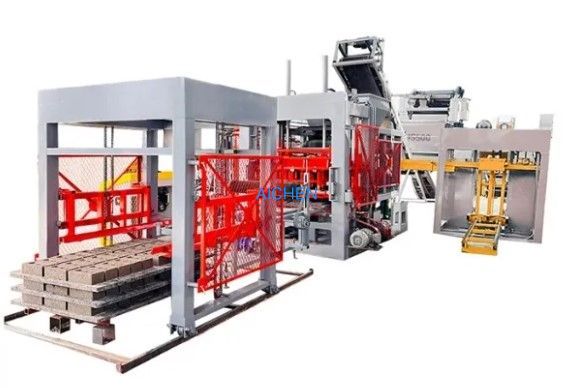
Mortar Preparation for Hollow Block Making
● Ratio of Cement to Additives
Hollow block making equipment relies heavily on the correct preparation of mortar, which involves mixing cement, additives, and sand in a precise ratio. Typically, one part of cement is combined with four parts of additives and sand. This proportion ensures the structural integrity and durability of the blocks. Proper preparation of the mortar is crucial for producing high-quality hollow blocks.
● Importance of Consistency and Mixing
The consistency of the mortar is a critical factor in hollow block manufacturing. The mixture must achieve a paste-like quality, which is best accomplished in a mixer. Achieving the right consistency ensures that the blocks produced are strong and free of imperfections. The thorough mixing process eliminates air pockets and ensures uniformity in the block texture, which is essential for both high quality and cheap hollow block making equipment.
Automation Levels in Hollow Block Making Equipment
● Differences Between Automatic and Semi-Automatic Models
Hollow block making equipment is available in both automatic and semi-automatic models, catering to different production needs and budgets. Automatic machines handle the entire process, from mortar preparation to block formation, without manual intervention. They are ideal for large-scale manufacturing where efficiency and consistency are paramount. In contrast, semi-automatic models require some manual input, making them suitable for smaller operations with budget constraints.
● Factors Influencing Choice: Budget and Capacity
When deciding whether to buy hollow block making equipment, factors like budget and production capacity play a crucial role. Automatic machines, while more expensive, offer higher production rates and precision, making them a cost-effective choice for factories with high demand. Semi-automatic equipment, though cheaper and requiring more labor, is favored by smaller manufacturers who prioritize flexibility and lower upfront costs.
Mortar Delivery Systems in Block Making
● Role of Conveyor Belts in Transfer
Conveyor belts are integral to the operation of hollow block making equipment, facilitating the efficient transfer of mortar to the machine's hopper. This automation replaces manual labor, reducing errors and increasing the speed of the production process. With conveyor belts, the delivery of mortar becomes a seamless part of the operation, enhancing overall productivity.
● Double-Hopper Configurations
In advanced hollow block making equipment, double-hopper configurations are common. These systems can feature a single conveyor belt with a movable head to feed both hoppers efficiently, or two separate belts dedicated to each hopper. The choice between these options depends on the manufacturer's specific needs and operational layout, with each configuration offering distinct advantages in terms of speed and efficiency.
Mold Filling and Vibration Process
● Operation of Mortar Cart
The mortar cart is a crucial component of hollow block making equipment, responsible for pouring the prepared mortar into molds. This process is automated in high quality hollow block making equipment, ensuring consistent filling and reducing the risk of errors. As the cart moves back and forth, it fills the mold with precision, preparing it for the next crucial step.
● Purpose of Vibration in Compacting Mortar
Vibration plays an essential role in the hollow block molding process. Once the mold is filled, vibrations are applied to the mortar, ensuring that all air pockets are eliminated and the mixture is compacted. This step not only enhances the density and strength of the block but also ensures a smooth surface finish, which is critical for building construction.
Pressing and Mold Operation
● Mechanism of Top and Bottom Molds
In the pressing stage, hollow block making equipment utilizes top and bottom molds to shape and compress the mortar into solid blocks. This dual-action mechanism ensures uniformity and precision, producing blocks that meet stringent quality standards. The molds are designed to work seamlessly, delivering reliable performance through each production cycle.
● Automation in Pallet Delivery
After pressing, the blocks are placed on pallets and transported to the next phase of production. The level of automation in this process can vary, with some machines offering fully automated pallet delivery systems while others rely on manual or semi-automatic methods. Automated systems enhance efficiency and reduce labor costs, making them a popular choice among manufacturers seeking to optimize their operations.
Curing and Drying Techniques
● Options for Pallet Transport: Manual to Automatic
The transportation and curing of pallets can be customized according to the manufacturer's budget and production requirements. Manual transport is cost-effective but labor-intensive, while semi-automatic and automatic systems offer increased efficiency and consistency. Choosing the right transport method is essential for maintaining the production flow and meeting product quality standards.
● Impact on Production Efficiency
The curing and drying phases are critical for ensuring that hollow blocks reach their desired strength and durability. Efficient transport and curing techniques directly impact production capacity and quality. Automated systems streamline these processes, reduce handling time, and improve the overall efficiency of the hollow block making equipment.
Pallet Specifications and Importance
● Variability in Pallet Size with Machine Scale
The size of the pallets used in hollow block making equipment depends on the machine's scale. Larger machines require bigger and sturdier pallets to support the weight and dimensions of the blocks. Selecting the right pallet size is essential for maintaining structural integrity during transport and curing, preventing damage and ensuring product quality.
● Quality Impacts on Longevity and Maintenance
High-quality pallets made from durable materials are vital for the longevity and consistent operation of hollow block making equipment. Investing in superior pallets reduces the need for frequent replacements, saving time and costs in the long run. Quality pallets also contribute to smoother production processes and better-maintained equipment.
Cost and Efficiency Considerations
● Budget Constraints Affecting Equipment Choice
When looking to buy hollow block making equipment, budget constraints are a significant consideration. High quality hollow block making equipment often requires a higher initial investment but offers long-term savings through reduced labor costs and higher production efficiency. Manufacturers must weigh the upfront costs against potential benefits to make informed purchasing decisions.
● Balancing Automation with Production Needs
Striking the right balance between automation and production requirements is crucial when selecting hollow block making equipment. While automation can significantly boost productivity and consistency, it is essential to align the level of automation with the production scale and specific business goals. Customized solutions can help manufacturers achieve optimal efficiency without overextending their budgets.
Comparative Analysis with Paver Block Machines
● Similarities in Manufacturing Processes
Hollow block making equipment shares many similarities with paver block machines in terms of manufacturing processes. Both utilize similar steps, such as mortar preparation, mold filling, and pressing, to produce their respective products. Understanding these commonalities can help manufacturers streamline operations and adapt equipment for diverse production needs.
● Adaptability Across Different Block Types
The adaptability of hollow block making equipment is a significant advantage for manufacturers. These machines can often be customized to produce various block types, including pavers, interlocking blocks, and more. This versatility allows for a broader product range, enhancing market competitiveness and catering to diverse customer demands.
Market Trends and Innovations
● Technological Advancements in Block Making
The field of hollow block making equipment is continuously evolving, with technological advancements driving improvements in efficiency, precision, and sustainability. Innovations such as smart automation, energy-efficient systems, and enhanced material handling are shaping the future of block production, offering manufacturers new opportunities for growth and development.
● Future Directions for Hollow Block Production
As the demand for sustainable and cost-effective construction materials grows, the future of hollow block production will see increased emphasis on eco-friendly practices and materials. Manufacturers are likely to focus on improving energy efficiency, reducing waste, and enhancing the recyclability of their products, aligning with global sustainability goals and market demands.
Company Introduction: Aichen
Changsha Aichen, located in Changsha city, Hunan province of China, has been dedicated to the research, development, manufacture, and sales of concrete block making machines since 1999. Aichen offers a diverse range of equipment, including brick machines, block forming machines, and automatic production lines, all adhering to global technology and quality standards. The company emphasizes sustainability by using economical and green materials to produce various concrete masonry products, such as hollow blocks and paving blocks, applicable in construction and landscaping.


