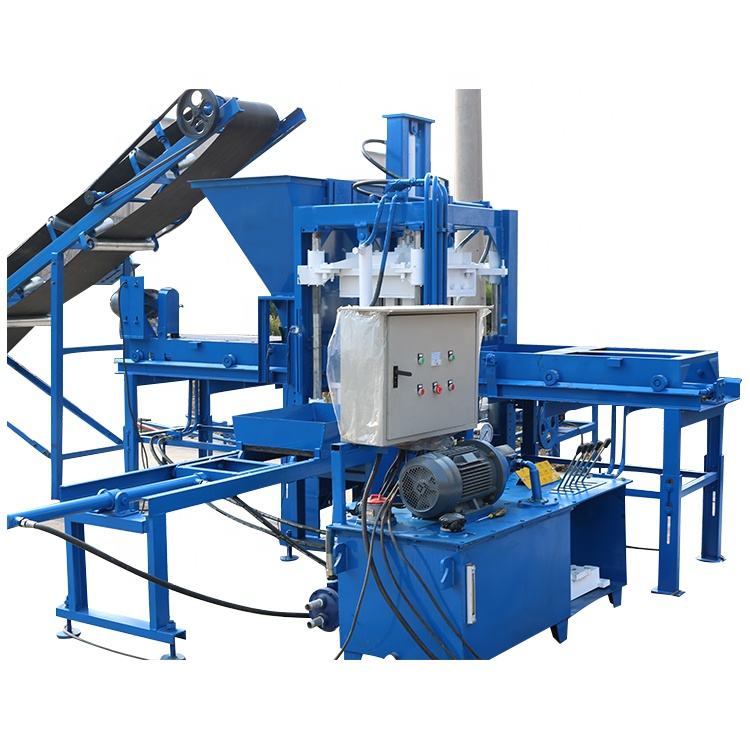

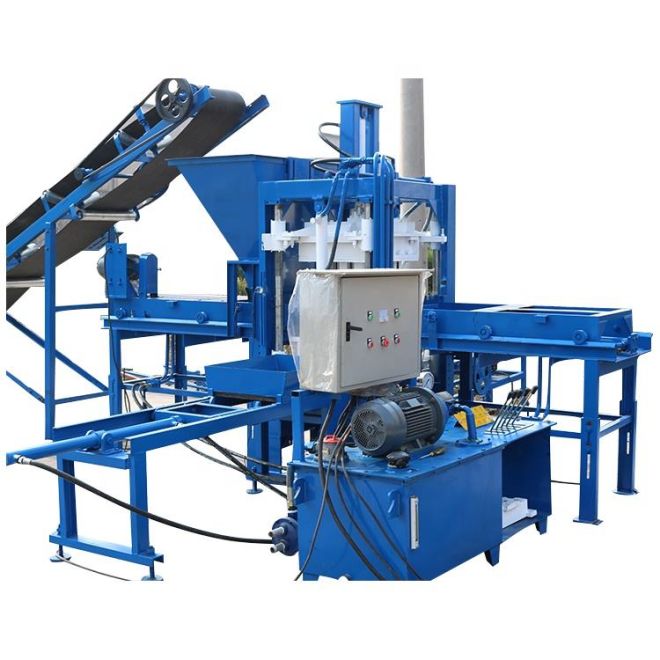
In the ever-evolving landscape of construction and manufacturing, technological advancements have significantly altered traditional methods. One of the most noteworthy transformations has been within the block-making industry, where efficiency, quality, and cost-effectiveness are of paramount importance. The introduction and widespread adoption of the fully automatic block making machine have paved the way for a new era of production methods. This article delves into the numerous facets of fully automatic block making machines, exploring their efficiency, cost implications, operational ease, and their impact on market trends. By examining these themes, we provide an insightful guide for those looking to buy a fully automatic block making machine.
1. Efficiency Comparison: Fully Automatic vs. Manual Machines
● 1.1 Speed of Production
The fully automatic block making machine is renowned for its production speed. Unlike manual machines, which rely heavily on human labor, fully automatic machines can produce blocks at an impressively rapid pace. This increase in efficiency is due to the machine's capability to automate the entire block-making process, from mixing raw materials to curing and stacking finished products. This automation reduces downtime and ensures a steady, continuous workflow.
● 1.2 Output Volume Differences
In comparison to manual setups, fully automatic block making machines boast a significantly higher output volume. The high-quality fully automatic block making machine can operate 24/7 with minimal supervision, consistently churning out large quantities of blocks. This ability is crucial for meeting the demands of large construction projects and ensuring timely deliveries.
2. Quality Control: Consistency in Block Production
● 2.1 Machine-Controlled Precision
One of the key advantages of employing a fully automatic block making machine is the precision it offers. The machine is equipped with advanced technology that ensures every block is uniform in size, shape, and strength. This consistency is vital for maintaining structural integrity in construction applications.
● 2.2 Human Factor Variability
Manual block making processes are susceptible to human error, leading to inconsistencies in product quality. In contrast, the automation of block production minimizes these errors, producing uniformly high-quality blocks. Fully automatic block making machines eliminate the variability introduced by human intervention, setting a new standard for quality control in the industry.
3. Cost Analysis: Initial Investment vs. Long-term Savings
● 3.1 High Initial Costs for Automation
Investing in a fully automatic block making machine often requires a substantial initial outlay. Purchasers might face a higher price tag compared to manual or semi-automatic machines. However, the long-term benefits and savings associated with automation often justify this expenditure, especially for companies looking to scale their operations.
● 3.2 Labor Cost Implications
The reduction in labor costs is a significant financial benefit of fully automatic block making machines. With automation, fewer workers are needed, which translates to savings on wages, training, and associated labor expenses. Over time, these savings contribute to recovering the initial investment and improving overall profitability.
4. Operational Ease: Reducing Labour Intensity
● 4.1 Minimal Human Intervention
A hallmark of a high-quality fully automatic block making machine is its minimal need for human intervention. These machines can handle complex tasks autonomously, simplifying operations for manufacturers. This feature reduces the workload on human operators, allowing them to focus on maintenance and supervision.
● 4.2 Training and Skill Requirements
While automation reduces the need for manual labor, it does necessitate a certain level of technical know-how for operators. Training personnel to handle automated systems is essential for maximizing the machine's capabilities and ensuring smooth production cycles. However, once trained, operators benefit from a more streamlined and less physically demanding work environment.
5. Flexibility and Adaptability in Production
● 5.1 Adjusting to Diverse Needs
The versatility of a fully automatic block making machine enables manufacturers to adapt to varying production demands. These machines can be configured to produce different types and sizes of blocks, catering to a wide range of construction needs. This flexibility is invaluable for companies that need to meet diverse client requirements swiftly.
● 5.2 Suitability for Small-Scale Production
While fully automatic block making machines are ideal for large-scale operations, they also have significant benefits for small-scale production. With the ability to scale output up or down depending on demand, even smaller manufacturers can benefit from the efficiency gains without overextending their resources.
6. Technological Integration: Intelligent Control Systems
● 6.1 Real-Time Monitoring Features
Among the standout features of fully automatic block making machines is their integration with intelligent control systems. These systems allow for real-time monitoring of the production process, ensuring issues are detected and addressed immediately. This capability not only enhances operational efficiency but also prevents costly downtime.
● 6.2 Optimizing Production Efficiency
Automated machines are equipped with sophisticated algorithms that optimize every aspect of the production process. From raw material mixing to block curing, the machine ensures each step is performed under optimal conditions. This optimization translates to higher quality blocks and reduced waste, further contributing to cost-effectiveness.
7. Maintenance and Downtime Concerns
● 7.1 Costs of Repairs and Delays
Although automation offers numerous advantages, it does present some challenges regarding maintenance. Fully automatic block making machines require regular maintenance to function at peak capacity. Downtime due to repairs can be costly; however, these issues are mitigated by investing in machines from reputable fully automatic block making machine manufacturers known for their reliable products.
● 7.2 Skill Requirements for Maintenance
Regular upkeep of automated machinery necessitates skilled technicians who can perform maintenance tasks and troubleshoot any issues that arise. Investing in training for maintenance staff ensures machines are kept in excellent condition, minimizing downtime and maintaining production efficiency.
8. Safety and Worker Fatigue Considerations
● 8.1 Automation Enhancing Workplace Safety
One of the key advantages of using fully automatic block making machines is the enhancement of workplace safety. By reducing the need for manual labor, these machines decrease the risk of workplace injuries and accidents. Automated processes reduce workers' exposure to physically demanding tasks, contributing to a safer working environment.
● 8.2 Manual Labor Risks
In contrast, manual block production carries inherent risks, such as repetitive strain injuries and accidents with heavy machinery. By transitioning to automated systems, companies can significantly reduce these risks and promote a healthier, safer workplace.
9. Market Suitability: Choosing the Right Machine for Your Needs
● 9.1 Scale and Diversity of Production Needs
When considering the purchase of a fully automatic block making machine, it's crucial to evaluate the scale and diversity of your production needs. Fully automatic block making machine factories offer an array of models tailored to different requirements. An in-depth understanding of your production goals and capabilities will guide you in selecting the most suitable machine for your operations.
● 9.2 Budget Constraints and Financial Considerations
While a cheap fully automatic block making machine may be appealing, it's important to balance initial cost with long-term value. Investing in high-quality, reliable equipment from reputable manufacturers ensures better performance, durability, and overall satisfaction. Conducting a thorough cost-benefit analysis helps companies make informed purchasing decisions.
10. Future Trends in Block Moulding Technologies
● 10.1 Innovations in Automation
The future of block moulding technology is bright, with continuous innovations pushing the boundaries of what is possible. Advances in automation and AI-driven control systems are set to make future machines even more efficient and user-friendly. These developments will further cement the role of fully automatic block making machines as industry leaders in block production.
● 10.2 Sustainability and Efficiency Advancements
As the industry shifts towards more sustainable practices, it's likely that future fully automatic block making machines will incorporate eco-friendly technologies. From energy-saving features to the use of sustainable materials, these innovations will play a critical role in reducing the environmental impact of block production.
Conclusion
In summary, the fully automatic block making machine represents a significant leap forward in block production technology. Its benefits in terms of efficiency, quality, and cost savings make it an attractive option for manufacturers looking to optimize their operations. As technology continues to advance, the future of block moulding looks promising, with increased emphasis on automation, sustainability, and efficiency.
● Company Introduction: Aichen
Changsha Aichen, located in Changsha City, Hunan Province, China, stands as a leader in the field of concrete block making machine manufacturing. Since 1999, Aichen has been dedicated to the research, development, manufacture, and sale of a diverse range of concrete-product machines. By harnessing the latest global technology and adhering to industry quality management standards, Aichen produces a wide array of economical and environmentally friendly concrete masonry products, serving various applications from construction to landscaping.