

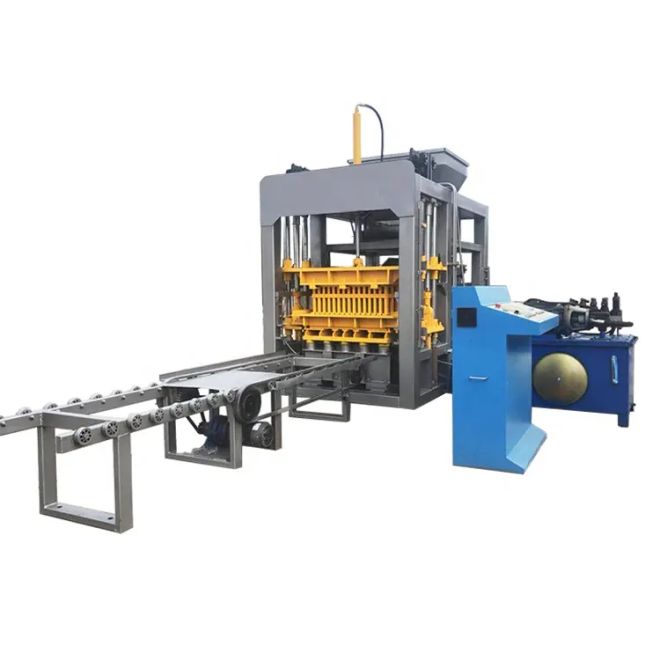
Introduction to EPS Block Moulding Machines
In the ever-evolving landscape of construction and packaging, eps block moulding machines have carved a niche for themselves as indispensable tools. They play a pivotal role in producing lightweight, durable, and cost-effective blocks that meet the demands of modern industry.
● Importance in Construction and Packaging
EPS block moulding machines are integral to the production of high-quality EPS blocks, which are widely used for insulation in buildings and protective packaging during transport. These machines ensure that the blocks manufactured are consistent in size and quality, which is crucial for both structural integrity in construction and safety in packaging.
● Overview of EPS Foam Block Production
The production process facilitated by EPS block moulding machines involves expanding polystyrene beads to form a solid, lightweight block. This process is not only efficient but also environmentally conscious, as it often incorporates recycled materials and minimizes waste.
Understanding EPS: Material and Applications
● Properties of Expanded Polystyrene (EPS)
EPS is renowned for its excellent thermal insulation properties, lightweight nature, and resistance to moisture and chemicals. These characteristics make it a preferred choice in a variety of applications, from building insulation panels to packaging materials.
● Common Applications in Insulation and Packaging
In the construction industry, EPS blocks are used for insulating walls, roofs, and floors. In the packaging sector, they provide cushioning and protection for an array of products, ranging from electronic goods to delicate items, due to their shock-absorbing qualities.
Operational Mechanisms of EPS Moulding Machines
● Overview of the Moulding Process
EPS block moulding machines operate through a series of sophisticated processes designed to ensure precision and quality. The main stages include feeding, heating, molding, cooling, and ejection, each contributing to the creation of consistent, high-quality blocks.
● Key Stages: Feeding, Heating, Molding, Cooling, Ejection
- Feeding : Raw polystyrene beads are introduced into the machine.
- Heating : The beads are pre-expanded and fused together under controlled temperature.
- Molding : Expanded beads are placed into molds where they take shape.
- Cooling : The molded blocks are cooled to retain their structure.
- Ejection : Finished blocks are ejected from the machine, ready for use.
Innovative Features of Modern EPS Machines
● High-Strength Construction and Durability
Modern EPS block moulding machines are engineered for long-term usage, featuring robust construction and components that withstand the rigors of continuous operation, ensuring they remain a reliable asset over time.
● Advanced Mold Design and Precision Control
These machines incorporate state-of-the-art mold designs and precision control systems, allowing for the production of blocks that meet exact specifications, resulting in minimal waste and increased efficiency.
Automation and Efficiency in EPS Block Production
● Role of Automated Control Systems
Automation has revolutionized the production of EPS blocks, with machines now featuring sophisticated control systems that enhance accuracy, reduce manpower requirements, and increase production speed.
● Benefits of Energy-Efficient Technologies
Energy-efficient technologies incorporated in high-quality EPS block moulding machines lead to significant cost savings and a reduced carbon footprint, making them an attractive option for environmentally conscious businesses.
Advantages of Using EPS Block Moulding Machines
● Cost-Effectiveness in Production
EPS block moulding machines are a cost-effective solution for manufacturers, providing a high return on investment through their ability to produce large volumes of blocks at a low cost per unit.
● Versatility and High-Quality Output
The versatility of EPS block moulding machines enables manufacturers to produce a diverse range of block sizes and shapes, catering to various industry needs while maintaining high quality.
Considerations for Choosing the Right EPS Machine
● Factors: Production Capacity, Material Quality, Automation Level
When purchasing an EPS block moulding machine, it is important to consider factors such as production capacity, the quality of materials used, and the level of automation to ensure the machine meets your specific needs.
● Importance of Maintenance and Safety Features
A reliable machine should include robust safety features and a straightforward maintenance routine to ensure continuous operation and minimize downtime.
Environmental Impact of EPS Block Production
● Sustainability Aspects of EPS Materials
EPS materials are highly recyclable, and the processes involved in their production are increasingly sustainable, with many manufacturers emphasizing the use of recycled content and reduced emissions.
● Recycling and Reducing Carbon Footprint
EPS block moulding machines contribute to sustainability by enabling the production of recyclable blocks and reducing the overall carbon footprint of the manufacturing process through energy-efficient operations.
Customization Options in EPS Block Production
● Adapting to Diverse Industry Needs
Manufacturers can tailor EPS block moulding machines to produce blocks in various sizes, densities, and shapes, meeting the specific requirements of different industries and applications.
● Tailoring Block Sizes, Densities, and Shapes
Customization options ensure that EPS blocks can be designed for specific purposes, from light insulation panels to structural components, enhancing their utility and versatility.
Concluding Overview: Leveraging EPS Technology
● Summary of Key Insights and Benefits
EPS block moulding machines have become essential tools in modern manufacturing, offering a combination of efficiency, cost-effectiveness, and sustainability. Their ability to produce high-quality, customizable EPS blocks makes them invaluable across various industries.
● Future Outlook for EPS-Based Products in Industry
As industries increasingly prioritize sustainability and efficiency, the demand for EPS block moulding machines is expected to grow. Innovations in technology will continue to enhance their capabilities, making EPS an even more attractive material choice.
● Introduction to Aichen
Changsha Aichen, located in Changsha city, Hunan province of China, has been at the forefront of manufacturing concrete block making machines since 1999. Specializing in various machines and production lines, Aichen utilizes cutting-edge technology and quality management standards. Their products cater to a wide range of applications, ensuring economical and environmentally friendly solutions for the construction industry.


