

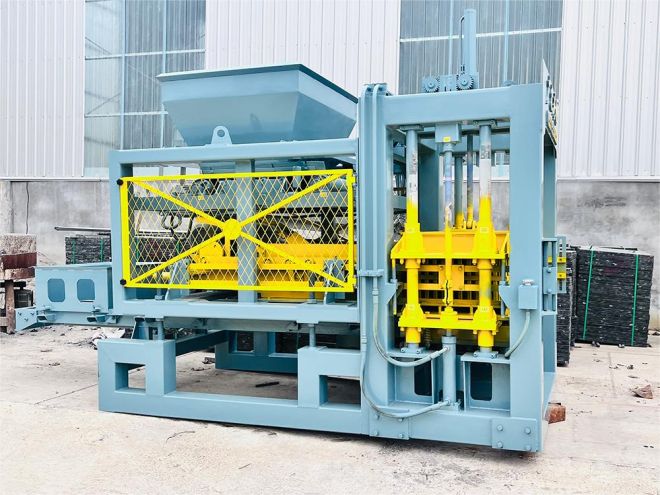
Introduction to Solid Block Making Machines
In the ever-evolving world of construction, efficiency and quality are paramount. solid block making machines have emerged as essential tools for modern construction projects. These machines streamline the process of producing concrete blocks, a fundamental component in construction, making them indispensable for builders and developers. As global demand for concrete products rises, understanding these machines' role and functionality becomes crucial.
● Importance in Construction
Solid block making machines play a pivotal role in the construction industry due to their ability to produce high-quality concrete blocks efficiently. With the global market for concrete block making machinery expected to reach $517 million by 2034, these machines are more significant than ever. They reduce manual labor, increase production rates, and ensure the consistent quality of blocks, thus enhancing overall project timelines and outcomes.
● Global Demand and Market Growth
The burgeoning global demand for concrete, particularly in developing regions, underscores the importance of investing in solid block making machines. As the Global South continues to industrialize and urbanize, the need for reliable, cost-effective construction solutions is paramount. Solid block making machines offer a viable solution, supporting rapid infrastructure growth while maintaining high construction standards.
Key Features of Solid Block Making Machines
Understanding the core features of solid block making machines is essential for making informed purchasing decisions and optimizing their use in construction projects.
● Material Handling Systems
Material handling systems are integral to the efficiency of solid block making machines. They ensure the smooth transportation of raw materials like cement and aggregates to the mixing unit, reducing manual labor and enhancing production speed. This automation is a key factor in producing high quality solid block making machines.
● Mixing and Molding Units
The mixing unit is where the magic happens, combining cement, aggregates, and water to form the perfect concrete mix. The molding system then shapes the mix into solid blocks, utilizing pressure and vibration to ensure uniformity and strength. This process is crucial for manufacturers aiming to produce cheap solid block making machines without compromising on quality.
Understanding Stationary Block Making Machines
Stationary block making machines are a staple in large-scale concrete block production, thanks to their high efficiency and production capacity.
● Production Capacity and Space Requirements
Stationary machines boast impressive production capacities, ranging from 500 to 12,000 blocks per eight-hour shift, making them ideal for projects requiring large volumes of blocks. However, they require a substantial setup space, including a concrete foundation, which can be a consideration for buyers looking to invest in a solid block making machine factory.
● Variety of Molds and Outputs
These machines can accommodate a wide array of molds, producing various block types, including hollow blocks, pavers, and curb stones. This versatility makes them a preferred choice for projects that demand diverse block outputs, aligning with the needs of a solid block making machine manufacturer.
Mobile Block Making Machines: Advantages and Limitations
Mobile block making machines offer flexibility and are an excellent choice for on-site block production, especially in remote areas.
● Flexibility and Mobility Benefits
One of the standout advantages of mobile block making machines is their mobility. They can be transported easily to different sites, eliminating the need for pallets and heavy foundations. This flexibility is beneficial for projects with limited access to infrastructure or in remote locations.
● Trade-offs in Production Capacity
While mobile machines offer flexibility, they generally have lower production capacities compared to their stationary counterparts, ranging from 100 to 4,000 blocks per eight-hour shift. They are best suited for projects with smaller scale requirements or extended timelines where production capacity is not the primary concern.
Comparing Stationary and Mobile Machines
Choosing between stationary and mobile block making machines depends on various factors, including project size, location, and budget.
● Cost Considerations and Investment Differences
Investing in a stationary block making machine typically involves higher initial costs due to setup requirements and automation features. However, they offer greater production efficiency. On the other hand, mobile machines are more cost-effective upfront, appealing to buyers seeking a cheap solid block making machine solution.
● Suitability for Different Project Types
Stationary machines are ideal for large-scale projects with high production demands, while mobile machines are perfect for smaller projects or those in remote locations. Understanding these distinctions helps buyers purchase the right machine to meet their specific project needs.
Manufacturing Process of Concrete Blocks
The manufacturing process of concrete blocks is a meticulous operation that ensures the durability and quality of the final product.
● Preparation of Raw Materials
The process begins with preparing raw materials—cement, aggregates, and water—in precise ratios. This step is crucial for achieving the desired block strength and quality, an essential factor for a solid block making machine manufacturer.
● Steps in Forming and Curing Blocks
Once the materials are mixed, they are shaped into blocks using molds. The blocks then undergo a curing process to maximize their strength and durability, ensuring they meet industry standards for construction applications.
Technological Advancements in Block Machines
Technological advancements have revolutionized the functionality and efficiency of solid block making machines, enhancing their appeal to buyers.
● Automation and Control Systems
Modern machines are equipped with advanced automation and control systems that reduce manual intervention and optimize production processes. These systems ensure precision and consistency, essential for high quality solid block making machines.
● Impact on Production Efficiency
Automation has significantly boosted production efficiency, allowing for faster turnaround times and greater output. These advancements are crucial for manufacturers aiming to stay competitive in a growing market.
Choosing the Right Machine for Your Project
Selecting the appropriate block making machine requires careful consideration of several factors.
● Assessing Project Needs and Location
Buyers should evaluate their project requirements, including block types and production volumes, before deciding. Location also plays a crucial role, as remote sites may benefit more from mobile machines.
● Budget and Time Constraints
Budget and project timelines influence the choice between stationary and mobile machines. Assessing these factors helps buyers choose the most cost-effective and efficient solution for their construction needs.
Environmental Impact and Sustainability
The construction industry is increasingly focusing on sustainability, and solid block making machines are no exception.
● Eco-friendly Material Options
Manufacturers are now offering eco-friendly material options that reduce the carbon footprint of block production. These innovations are vital for buyers seeking sustainable construction solutions.
● Energy Efficiency in Production
Modern block making machines are designed to be energy-efficient, reducing operational costs while supporting environmental goals. These features are essential for manufacturers committed to green construction practices.
Future Trends in Block Making Industry
The future of the block making industry is bright, with ongoing innovations driving growth and development.
● Innovations in Design and Functionality
New design and functionality innovations are expected to enhance machine capabilities, offering greater versatility and efficiency. These advancements promise to redefine the standards of the industry.
● Market Predictions and Technology Integration
The integration of new technologies, such as IoT and AI, is set to transform the block making process, providing smarter, more efficient solutions for construction projects worldwide.
Company Introduction: Aichen
Changsha Aichen, based in Changsha city, Hunan province of China, has been at the forefront of concrete block making innovation since 1999. Specializing in the research, development, and manufacture of high-quality machines, Aichen offers a diverse range of products. Our portfolio includes brick machines, block forming machines, and various automated production lines, all adhering to global technology and quality standards. Utilizing economical and green materials, Aichen's concrete masonry products are widely used across construction and landscaping applications, playing a vital role in sustainable building practices and soil erosion control.


