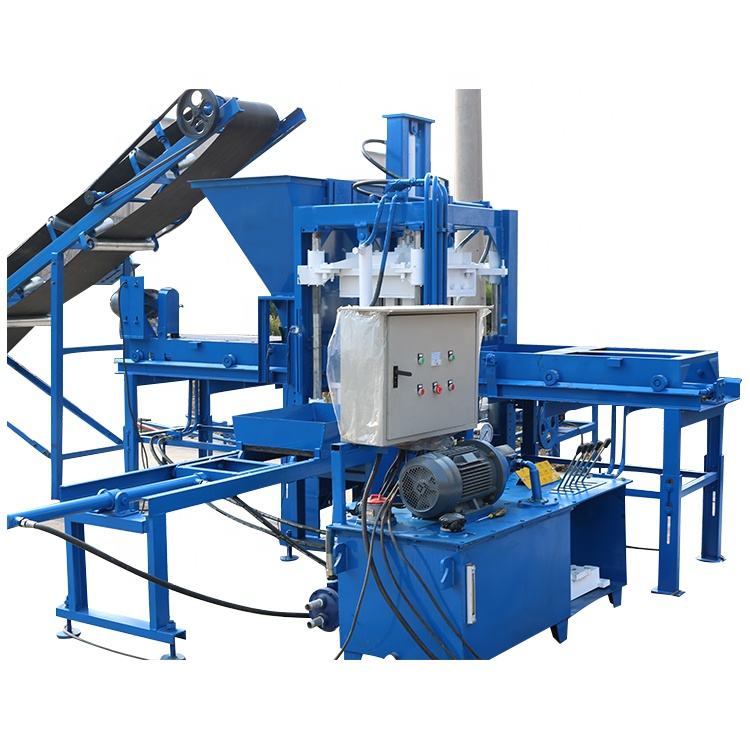

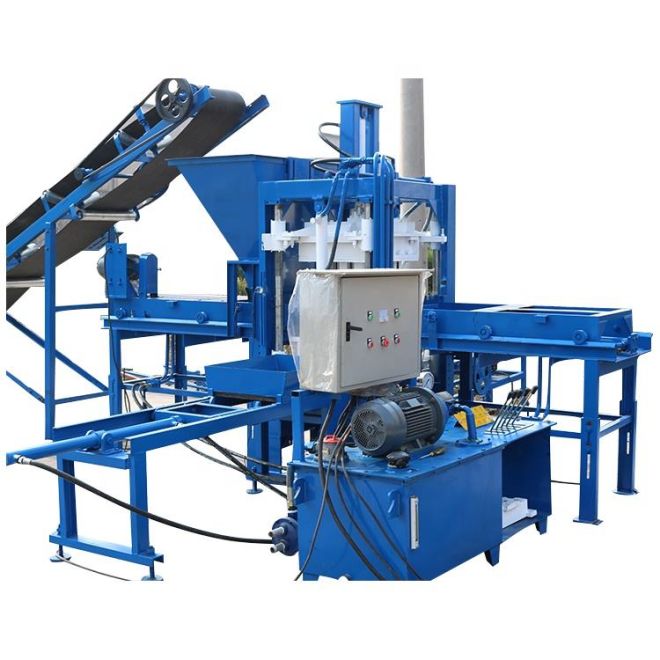
In the realm of construction and masonry, the production of concrete blocks stands as a cornerstone of modern infrastructure. With the increasing demand for durable and cost-effective building materials, manufacturers are compelled to invest in cutting-edge technologies and practices to enhance the efficiency and quality of their concrete block machines. In this comprehensive article, we will explore essential strategies to maximize productivity, incorporate innovative technologies, and adhere to industry best practices. We'll delve into preventive maintenance, optimal concrete mix ratios, the importance of high-quality raw materials, and much more, specifically tailored to ensure the success of concrete block machine manufacturers.
Emphasizing Preventive Maintenance
● Scheduled Regular Inspections
Preventive maintenance is paramount to the longevity and performance of any high-quality concrete block machine. By scheduling regular inspections, manufacturers can identify potential issues before they escalate into costly problems. Routine checks on machinery components, including molds, hydraulic systems, and electrical circuits, ensure that machines remain in peak operating condition. This proactive approach not only minimizes downtime but also extends the lifespan of the equipment.
● Prompt Replacement of Worn-Out Parts
Timely replacement of worn-out parts is crucial to maintaining the efficiency of a concrete block machine. Over time, components such as belts, seals, and bearings may experience wear and tear, impacting the machine's performance. By implementing a systematic approach to replacing these parts, manufacturers can prevent unexpected breakdowns and maintain consistent production schedules. This practice is particularly important for maintaining a reputation as a leading concrete block machine factory, where reliability is a key selling point.
Achieving Optimal Concrete Mix Ratios
● Experimenting with Mix Ratios
The success of a concrete block machine is often determined by the quality of blocks it produces, which is heavily influenced by the concrete mix ratio. Manufacturers should experiment with different mix ratios to find the optimal balance of strength, durability, and workability. By conducting thorough tests and trials, manufacturers can produce blocks that meet specific construction requirements while maximizing resource efficiency.
● Ensuring Uniform Block Dimensions
Consistency is critical in the production of concrete blocks. Manufacturers must ensure that each block produced maintains uniform dimensions and structural integrity. This involves precise control over the concrete mix and meticulous monitoring of the molding process. High-quality concrete block machines utilize advanced control systems to regulate the mold filling process, ensuring consistent output and reducing the risk of defects.
Leveraging High-Quality Raw Materials
● Investment in Superior Cement and Aggregates
To produce blocks that stand the test of time, manufacturers must invest in superior raw materials. High-quality cement and aggregates are imperative for achieving desired strength and durability. By sourcing premium materials, manufacturers can reduce the rate of defective blocks and enhance the overall quality of their products. This investment not only boosts efficiency but also generates substantial long-term savings by minimizing rework and waste.
● Reducing Rejects and Boosting Efficiency
Incorporating high-quality raw materials directly contributes to reducing the number of rejected blocks during production. By minimizing defects, manufacturers can streamline operations, increase throughput, and optimize resource utilization. This focus on quality assures clients that they are purchasing from a reputable concrete block machine manufacturer, committed to delivering excellence in every product.
Advantages of Automation in Manufacturing
● Increasing Production Speed
Automation has revolutionized the concrete block manufacturing industry by significantly increasing production speed. Modern machines equipped with automated systems can produce blocks at a rapid pace, allowing manufacturers to meet tight deadlines and large orders with ease. Investing in an automated high-quality concrete block machine not only boosts productivity but also enhances precision and reduces labor costs, offering a competitive advantage in the marketplace.
● Reducing Human Error
The integration of automation in concrete block machines minimizes human error in the production process. Machines equipped with sophisticated sensors and control systems can operate with unmatched precision, ensuring uniformity and consistency in every block produced. This reduction in human intervention decreases the likelihood of defects and enhances overall product quality, making it an essential consideration for manufacturers aiming to buy concrete block machines that are reliable and efficient.
Training for Machine Operators
● Understanding Operating Procedures
Effective training for machine operators is vital to the successful operation of concrete block machines. Operators must thoroughly understand the machine's operating procedures, including start-up, shut-down, and emergency protocols. Comprehensive training programs equip operators with the knowledge and skills to handle various scenarios, troubleshoot issues, and optimize machine performance.
● Regular Refresher Courses
To ensure operators remain up-to-date with the latest advancements and technologies, regular refresher courses should be conducted. These courses provide valuable insights into new features, updates, and best practices for machine operation. By continuously developing the skills of their workforce, manufacturers can maintain high standards of efficiency and quality, reinforcing their position as a leading concrete block machine factory.
Analyzing Production Data for Efficiency
● Monitoring Output Rates and Material Usage
Data-driven insights play a crucial role in optimizing the efficiency of concrete block production. By monitoring output rates and material usage, manufacturers can identify trends, patterns, and areas for improvement. Advanced analytics allow for the fine-tuning of processes, enabling manufacturers to maximize output while minimizing waste and resource consumption.
● Identifying Bottlenecks and Inefficiencies
Through detailed analysis of production data, manufacturers can identify bottlenecks and inefficiencies in the manufacturing process. Once identified, targeted interventions can be implemented to streamline operations, reduce cycle times, and enhance overall efficiency. Continuous improvement driven by data is essential for staying competitive in the dynamic landscape of concrete block machine manufacturing.
Keeping Up with Industry Trends
● Attending Trade Shows and Workshops
Remaining informed about industry trends is essential for manufacturers in the concrete block machine sector. By attending trade shows, workshops, and conferences, manufacturers can gain insights into emerging technologies, market demands, and best practices. Networking with industry peers and experts provides valuable opportunities for knowledge sharing and collaboration, fostering innovation and growth.
● Networking with Industry Peers
Building robust networks with other industry professionals allows manufacturers to stay ahead of the curve. Collaborative partnerships and alliances open doors to new opportunities, resources, and expertise. Engaging with industry peers enables manufacturers to adapt to changing market conditions, embrace new technologies, and maintain a competitive edge.
Implementing Lean Manufacturing Principles
● Eliminating Non-Value-Adding Steps
Lean manufacturing principles emphasize the elimination of non-value-adding steps to streamline operations and improve efficiency. By identifying and removing wasteful processes, manufacturers can optimize resources, reduce lead times, and enhance product quality. This approach is particularly beneficial for manufacturers seeking to produce cheap concrete block machines without compromising on quality.
● Enhancing Collaboration Between Departments
Improving collaboration between departments is a key aspect of lean manufacturing. Effective communication and coordination across all stages of production enhance workflow efficiency and ensure that all team members are aligned with organizational goals. By fostering a culture of collaboration, manufacturers can drive innovation and achieve sustainable growth.
Strategies to Minimize Downtime
● Timely Part Replacements
Minimizing downtime is crucial to maintaining high production rates and meeting customer demands. By implementing a proactive approach to part replacements, manufacturers can prevent unexpected breakdowns and maintain continuous operation. Having a well-stocked inventory of replacement parts and a robust maintenance schedule ensures that machines are always ready for production.
● Efficient Scheduling and Workflow Adjustments
Efficient scheduling and workflow adjustments further minimize downtime in concrete block manufacturing. By optimizing production schedules and resource allocation, manufacturers can ensure smooth transitions between processing stages, reducing idle time and maximizing output. Advanced scheduling software can assist in planning and coordination, aligning resources to meet production targets efficiently.
Innovations in Block Making Technology
● Exploring New Machine Features
The evolution of block making technology has introduced a myriad of innovative features designed to enhance performance, quality, and efficiency. Manufacturers should explore new machine features such as improved mold designs, automated control systems, and energy-efficient components. Embracing these advancements allows manufacturers to stay competitive and adapt to changing industry demands.
● Adapting and Innovating to Stay Competitive
In a rapidly evolving industry, manufacturers must continuously adapt and innovate to maintain their competitive edge. By investing in research and development, manufacturers can lead the way in introducing cutting-edge technologies and processes. This commitment to innovation ensures that manufacturers remain at the forefront of the concrete block machine manufacturing industry, providing customers with state-of-the-art solutions.
In conclusion, maximizing efficiency and quality in concrete block machine manufacturing requires a multifaceted approach that combines preventive maintenance, optimal mix ratios, high-quality materials, automation, and continuous improvement. By implementing these strategies, manufacturers can enhance productivity, reduce costs, and deliver superior products to meet the demands of the construction industry. As a leader in the field, Changsha Aichen exemplifies these principles, providing a comprehensive range of concrete block machines and production solutions.
About Aichen: Changsha Aichen is located in Changsha city, Hunan province of China. We are committed to the research and development, manufacture, and sales of concrete block making machines since 1999. Our company manufactures a wide selection of concrete-product machines and block production lines, including automatic and semi-automatic options. Using the latest global technology and economical, green materials, we produce a variety of concrete masonry products for diverse applications in construction and hardscaping.