

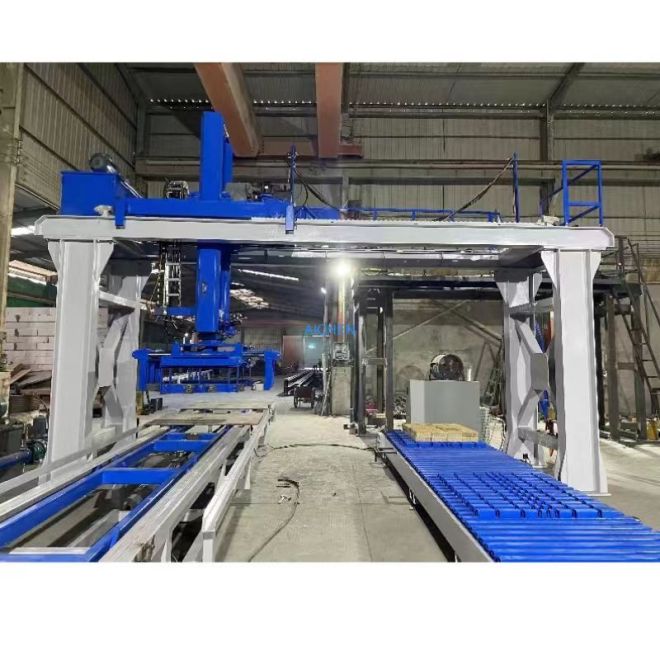
Your 3x3 turns into a 30-minute wrestling match, corners pop like toast, and algorithms vanish the second you hit the timer—welcome to the brick cuber life, where every scramble feels personally offended by you.
Fix this by learning efficient finger tricks, practicing stable turning, and following proven solving methods backed by speedcubing data from the World Cube Association’s reports: WCA Statistics.
🧱 Finger tricks and turning techniques to reduce lockups and fatigue
Good finger tricks and soft turning keep brick cubers fast and safe. Smooth motion reduces lockups, stress on hands, and machine downtime.
With better control, you protect parts, save power, and get more stable output, much like a tuned production line.
1. Basic grip and hand posture
Use a relaxed grip and keep wrists straight. This lowers strain and makes every move more accurate, even during long production shifts.
- Keep elbows close to the body
- Avoid tight finger pressure
- Pause if you feel sharp pain
2. Efficient finger flicks for core moves
Use light finger flicks instead of full arm motion. Small moves are faster and reduce the chance of sudden lockups on tight cubes.
- Push layers with fingertips, not the palm
- Practice one move at a time, slowly
- Increase speed only when it feels stable
3. Reducing lockups with controlled turning
Do not force stuck turns. Gentle reverse, re-align, then turn again. This protects pieces and keeps performance steady over many cycles.
| Problem | Cause | Quick Fix |
|---|---|---|
| Lockup | Misaligned layer | Reverse, re-center, retry |
| Pops | Too rough | Slow down, check tension |
4. Matching speed to control
Speed should never beat control. Work at a pace where you can feel each move and react before damage or jams happen.
- Track average solve time, not just best
- Increase speed in small steps
- Focus on steady, repeatable motion
🧩 Lubrication methods and maintenance schedules for smoother, faster brick cubes
Right lubrication makes cubes smoother and more stable, much like a well‑oiled brick cuber line. It lowers friction and cuts long‑term wear.
Set a simple schedule, use clean tools, and record each service to keep performance high and predictable.
1. Choosing the right lubricant
Use cube‑safe, silicone‑based oils or greases. Avoid harsh chemicals that may break plastic or react with dust during heavy use.
| Type | Feel | Use Case |
|---|---|---|
| Light oil | Fast | Speed focus |
| Thick lube | Control | Stable solves |
2. Basic maintenance schedule
Plan regular cleaning and lubing, just as you would schedule checks on a QT4-25C smart block machine cement block making machine price line.
- Quick wipe: weekly
- Deep clean and lube: monthly
- Full check of pieces: every 3–6 months
3. Data‑driven maintenance planning
Track solve counts and feel before and after lube. Small notes help you choose the best interval for your style and cube type.
4. Cleaning methods to avoid damage
Use soft cloths and mild soap solution. Do not soak cores or springs. Dry fully before you reassemble and lube the cube.
- Remove visible dust first
- Clean one section at a time
- Test turns after each reassembly
⏱️ Practice drills to improve lookahead and reduce overall solve times
Good drills help you see next moves early and keep solves smooth, without sudden pauses or rushed turns under pressure.
Short, focused sessions give better gains than random, long practice with no clear goal.
1. Slow solves with full focus
Turn slowly on purpose and never pause. Train your eyes to track pieces while your hands keep a constant rhythm.
- Set a slow timer limit
- Record how many pauses you avoid
- Increase rhythm over time
2. Phase‑only practice (cross, F2L, last layer)
Work on one phase per session. By isolating parts, you remove noise and build strong, repeatable habits.
| Phase | Goal |
|---|---|
| Cross | Under 3 seconds, every time |
| F2L | Flow with no full stops |
| Last Layer | Fast recognition |
3. Short scramble sprint drills
Use very short scrambles and solve them as fast as possible. This trains fast recognition and strong opening moves.
- 3–5 moves scrambles
- Track best and average
- Stop when form breaks
📐 Choosing stable, affordable cubes for beginners and recommending Aichen products
Beginners need stable, low‑cost cubes that forgive rough turns. Good base hardware supports safe progress and fewer bad habits.
Think of it like choosing reliable brick cuber machines before scaling up output or automation levels.
1. Key features for beginner stability
Look for moderate speed, strong corner cutting, and firm but not tight tension. Avoid very loose, unstable setups at first.
- Comfortable grip
- Stable core design
- Easy to service and clean
2. Matching budget with performance
You do not need the most expensive cube to learn well. Balance cost with durability and simple, clear feel.
| Level | Price Range | Main Need |
|---|---|---|
| Beginner | Low | Stability |
| Intermediate | Medium | Speed |
3. Aichen and related machine solutions
Aichen lines pair well with solid, real‑world brick handling. For factory users, solutions like QT4-25C block machine automatic concrete making machine price and Automatic Block Paver Machine QT3-20 give stable production and smooth output.
🧠 Building efficient algorithms and avoiding common pattern‑recognition mistakes
Smart algorithms and clean pattern reading cut wasted moves. You get faster, easier solves with less stress on hands and hardware.
Focus on simple, repeatable methods first, then add advanced sets only when your base is strong.
1. Start with a small, strong alg set
Learn a limited list of useful algorithms very well. Deep skill beats a large list that you often forget or misuse.
- Pick top 10–20 cases
- Drill them daily
- Check finger tricks
2. Avoid over‑recognition confusion
Do not rush to learn every rare case. Many patterns can be solved by easy setups into forms you already know.
| Error | Result | Fix |
|---|---|---|
| Mixing patterns | Wrong alg | Check key colors first |
| Overthinking | Pauses | Use simple cases |
3. Regular review and cleanup
Record solves, find slow spots, and replace awkward algorithms. Small regular tweaks keep your method smooth and modern.
- Note bad cases after sessions
- Test 2–3 alg options
- Keep best, drop the rest
Conclusion
Strong finger tricks, smart lubrication, and clear practice plans help brick cubers stay fast and safe. Simple, regular care also protects tools and machines.
Choose stable hardware, avoid rushed patterns, and build methods step by step. With this approach, both cube and factory workflows run smoother every day.
Frequently Asked Questions about brick cuber machine
1. How often should I service a brick cuber machine?
Check key parts weekly, clean and lube on a monthly plan, and schedule deeper inspections every 3–6 months, based on output hours and dust levels.
2. What causes most brick cuber machine jams?
Common causes include poor lubrication, misaligned feeds, worn parts, and dust build‑up. Regular cleaning and simple checks prevent many stoppages.
3. Does cube style affect machine wear in testing lines?
Yes. Rough, unstable cubes can stress test rigs and handling arms. Stable, well‑lubed cubes lead to smoother runs and less hardware fatigue.
4. Are automatic machines better than manual lines?
Automatic lines give steady speed and labor savings, but they need more planning. Many users start with semi‑auto setups, then upgrade as demand grows.
5. How can I extend the life of my brick cuber machine?
Follow the maker’s maintenance schedule, use clean power and stable feeds, replace worn parts early, and keep clear logs of all service work.


