

● Introduction
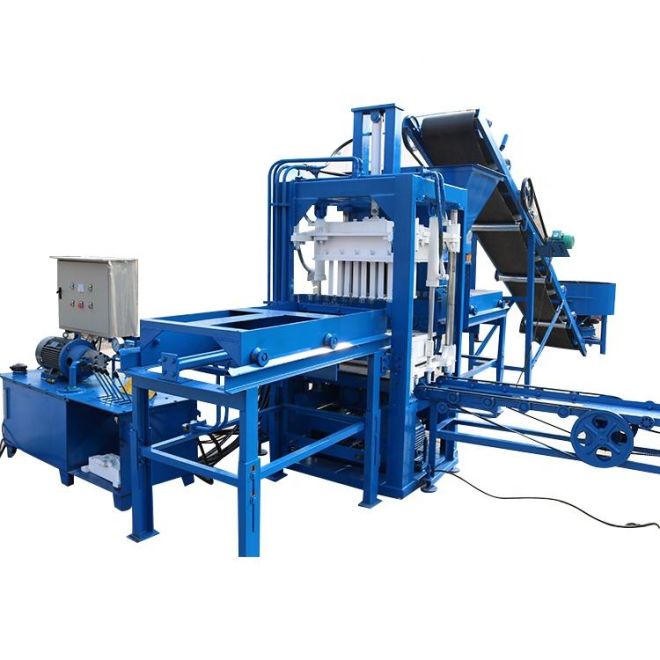
In the intricate world of construction, the choice of equipment can significantly influence the efficiency and quality of the work produced. Among the essential tools in this field is the concrete mixer, which plays a pivotal role in ensuring that concrete is prepared correctly for various applications. This article provides a detailed overview of the different types of concrete mixers available, how to assess their capacity requirements, ensure mix uniformity, consider energy efficiency, and evaluate price and brand. By integrating these considerations, professionals can make informed decisions tailored to their project needs. Additionally, this guide will touch upon the benefits of investing in high quality automatic hollow block making machines.
● 1. Types of Concrete Mixers
● 1.1 Self-Falling Mixers for Small Projects
Self-falling concrete mixers are designed for small-scale construction projects. These mixers operate on a simple mechanism where the drum rotates and the concrete components fall from one side to the other, mixing through gravity. Ideal for home renovations or minor building projects, these mixers are easy to operate and move.
● 1.2 Forced Mixers for Large-Scale Applications
For larger construction projects, forced mixers are often preferred. These mixers use a set of blades to forcibly mix the materials inside the drum, ensuring a more uniform and consistent mix. They are suitable for producing high-quality concrete for large-scale applications, such as commercial buildings and infrastructure projects.
● 2. Assessing Capacity Requirements
● 2.1 Small vs. Large Project Needs
The capacity of a concrete mixer is crucial to meeting the demands of a project. For small projects, mixers with a capacity of 30 to 120 litres are typically sufficient. However, for larger projects, mixers ranging from 120 to over 500 litres are necessary to handle the increased workload efficiently.
● 2.2 Capacity Range from 30 to Over 500 Litres
Understanding your project’s specific requirements is key to choosing the right mixer. A self-falling mixer may suffice for small-scale projects, while a forced mixer with a higher capacity will be necessary for larger endeavors. By assessing capacity requirements accurately, you ensure that your team works effectively without unnecessary delays.
● 3. Ensuring Mix Uniformity
● 3.1 Importance of Consistent Mixing
Uniformity in concrete mixing is vital to achieving the quality and structural integrity of the finished product. Inconsistent mixing can lead to weak spots in the concrete, which may compromise safety and durability.
● 3.2 Avoiding Quality Issues with Uniform Mixtures
One of the primary benefits of high quality automatic hollow block making machines is their ability to produce consistently uniform mixes. By automating the process, these machines eliminate human error, ensuring each batch of concrete is mixed to the same standard.
● 4. Energy Efficiency Considerations
● 4.1 Low Energy Consumption Benefits
Energy efficiency is an increasingly important factor in construction. Opting for machines with low energy consumption not only reduces operational costs but also minimizes environmental impact.
● 4.2 Balancing Efficiency with Operational Costs
While energy-efficient machines might have a higher upfront cost, their long-term savings and environmental benefits often outweigh initial expenses. Automatic hollow block making machines are particularly efficient, offering substantial savings over the lifespan of the machine.
● 5. Mobility of Concrete Mixers
● 5.1 Importance for Frequently Moved Projects
For projects that require frequent relocation of equipment, portable or mobile concrete mixers are invaluable. These mixers are designed for easy transportation, allowing construction teams to move swiftly from one site to another.
● 5.2 Benefits of Portable and Mobile Options
Mobile concrete mixers provide flexibility and adaptability, enabling teams to work on multiple sites without the hassle of heavy machinery transportation. Their portability reduces setup time and increases overall project efficiency.
● 6. Evaluating Price and Brand
● 6.1 Budget Considerations for Selection
Price is a major factor when purchasing construction equipment. To ensure value for money, it is important to balance price with the quality and features offered by the mixer.
● 6.2 Role of Brand Reliability and After-Sales Service
Reliable brands often come with a guarantee of quality and durability. Investing in mixers from reputable manufacturers ensures not only a high-performing machine but also excellent after-sales service, essential for maintenance and repairs.
● 7. Maintenance and After-Sales Service
● 7.1 Ease of Maintenance for Longevity
Regular maintenance is vital for the longevity and performance of concrete mixers. Machines that are easy to maintain help avoid costly repairs and downtime.
● 7.2 Importance of Manufacturer Support
Choosing a manufacturer that offers robust after-sales support can be a game-changer. This support includes access to replacement parts, technical assistance, and service centers, which are crucial for minimizing downtime.
● 8. Local Market Availability
● 8.1 Access to Equipment and Spare Parts
Availability of equipment and spare parts locally can greatly influence purchasing decisions. It ensures that maintenance and repairs can be handled quickly, minimizing project delays.
● 8.2 Factors for Seamless Maintenance
Locally available machines and parts mean that your projects are less likely to be stalled by logistical issues. This availability ensures that all necessary maintenance and repairs can be conducted efficiently.
● 9. Balancing Multiple Selection Factors
● 9.1 Integrating All Considerations for Decision
When choosing a concrete mixer, it is crucial to integrate all these considerations into your decision-making process. By doing so, you ensure that the machine you select meets all your project’s requirements.
● 9.2 Strategies for Optimal Mixer Choice
Analyzing all factors—type, capacity, energy efficiency, mobility, price, brand, maintenance, and local availability—will guide you to the most suitable mixer for your needs. This holistic approach ensures that no crucial aspect is overlooked.
● 10. Finalizing the Right Mixer for Your Needs
● 10.1 Tailoring Selection to Project Specifics
By tailoring the mixer selection to the specific needs of your project, you ensure that your team has the tools necessary to work efficiently and produce high-quality results.
● 10.2 Ensuring All Criteria Are Adequately Met
Thoroughly researching and evaluating all criteria before purchasing ensures that your investment is well-placed, ultimately leading to a more successful project outcome.
● Conclusion
Selecting the right concrete mixer is a fundamental decision for construction professionals, impacting both the efficiency and quality of work. By understanding the types of mixers available, assessing capacity needs, ensuring mix uniformity, considering energy efficiency, and evaluating brands, you can make informed decisions that serve your project well. Manufacturers such as Aichen provide high quality automatic hollow block making machines and an array of other block-making technologies that meet global standards, ensuring superior performance and reliability.
About Aichen
Changsha Aichen, located in Changsha city, Hunan province, China, has been a leader in the concrete block making machine industry since 1999. Aichen specializes in manufacturing a wide range of concrete-production machines and block production lines, all crafted using the latest global technology and industry standards. From brick machines to multifunction block machines, Aichen is committed to producing eco-friendly and high-quality masonry products used widely in construction and hardscaping applications.


