
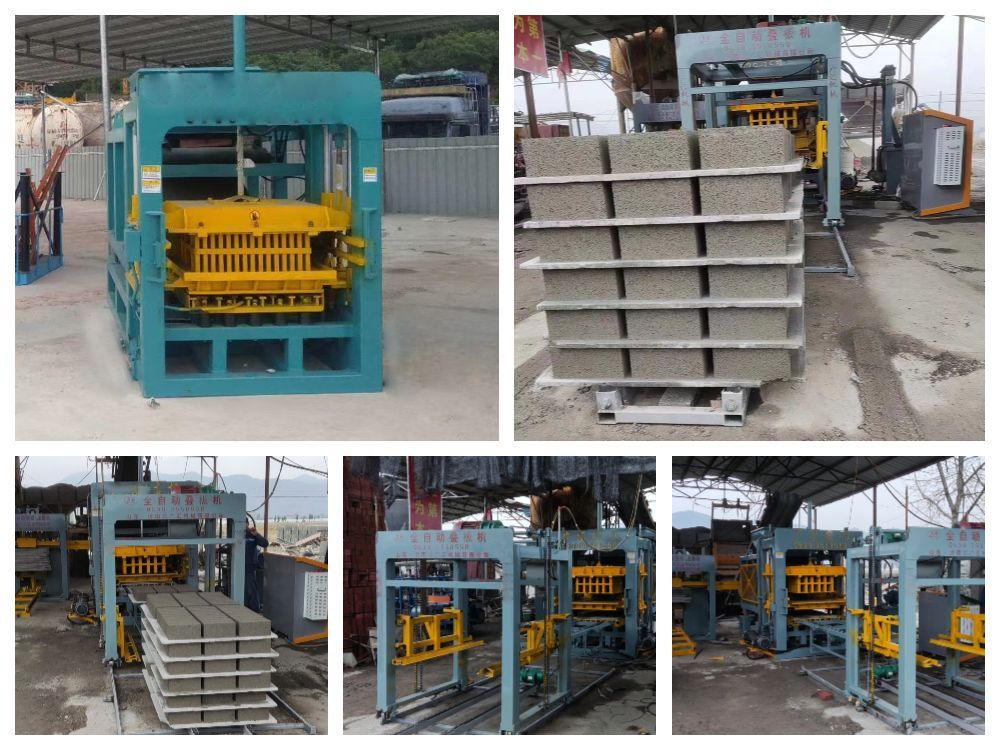
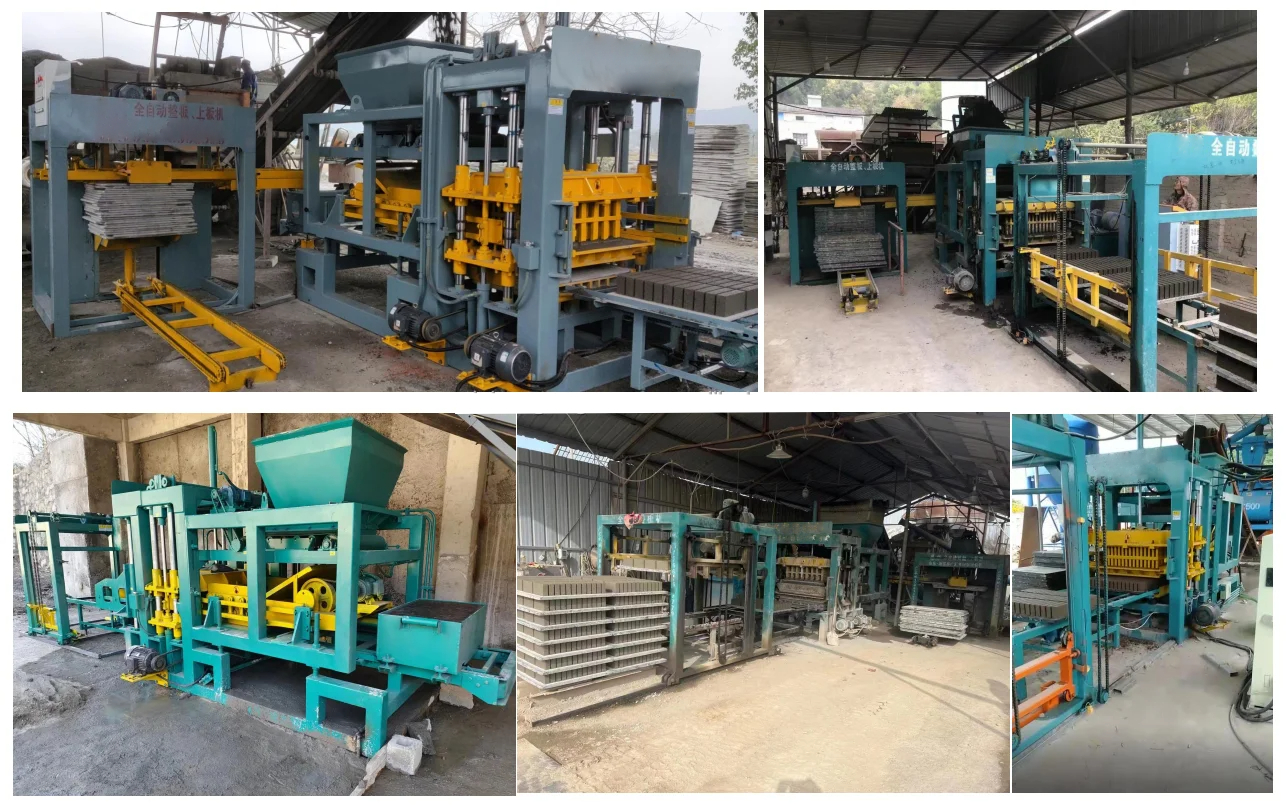
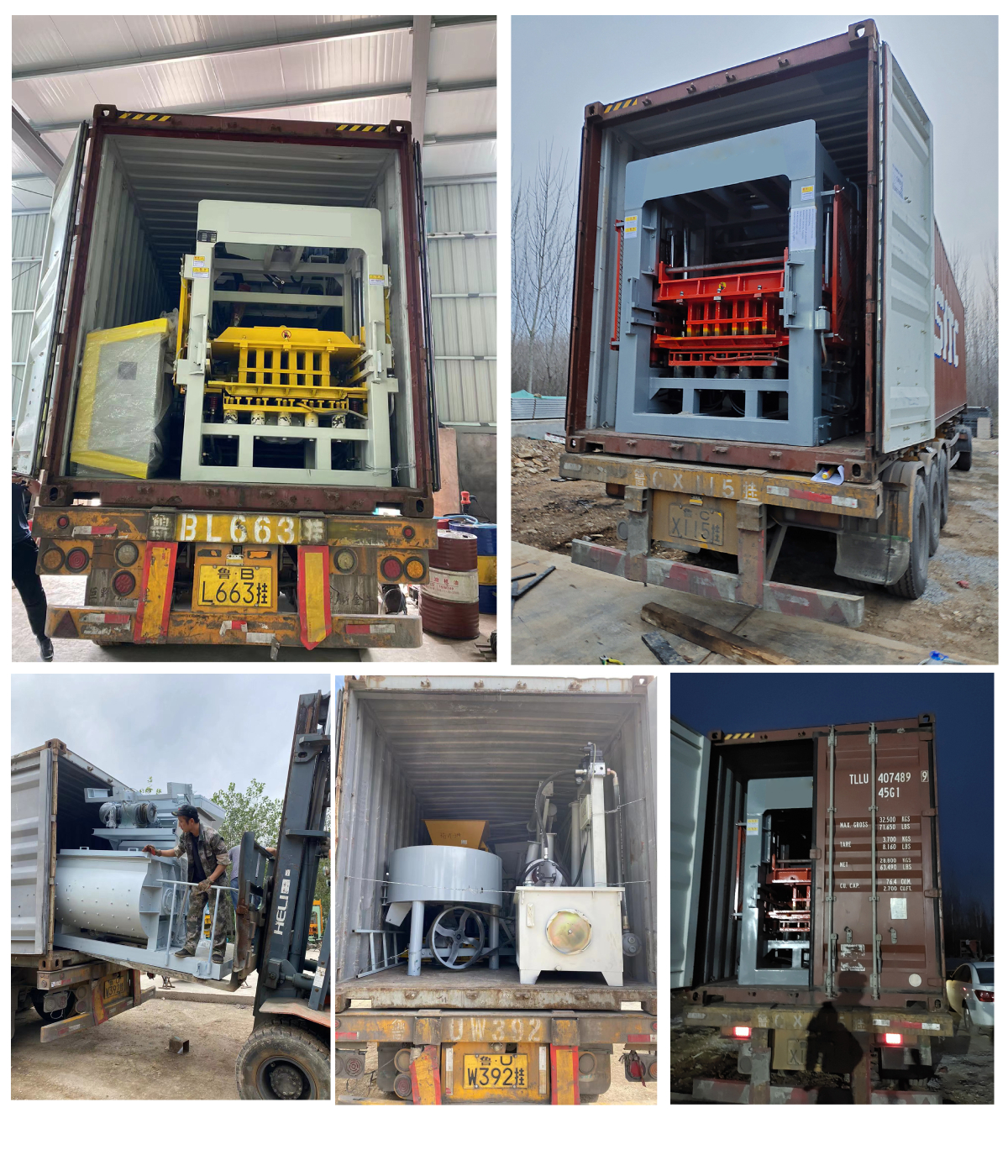
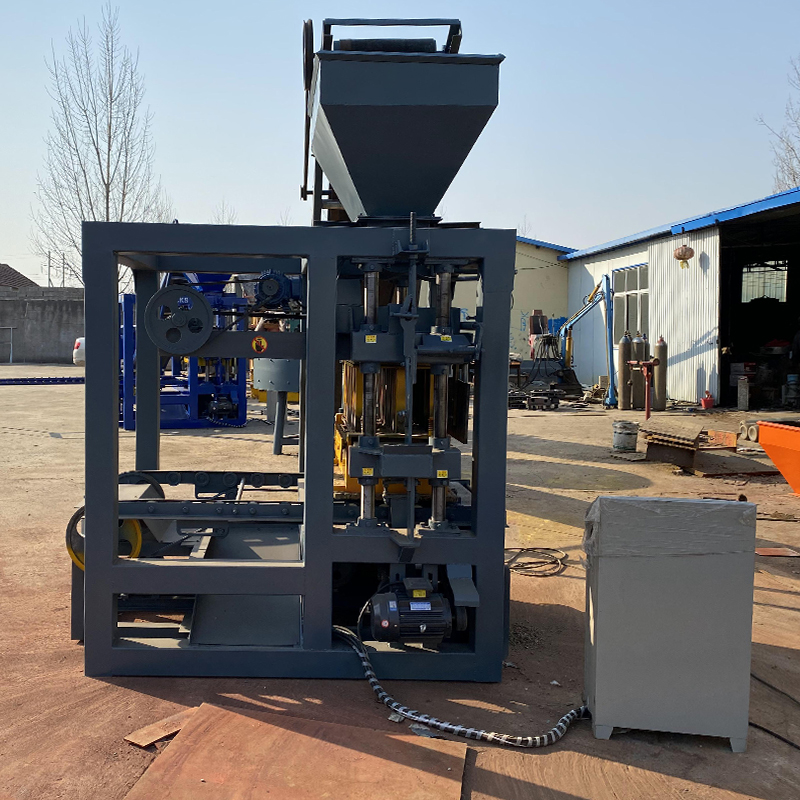
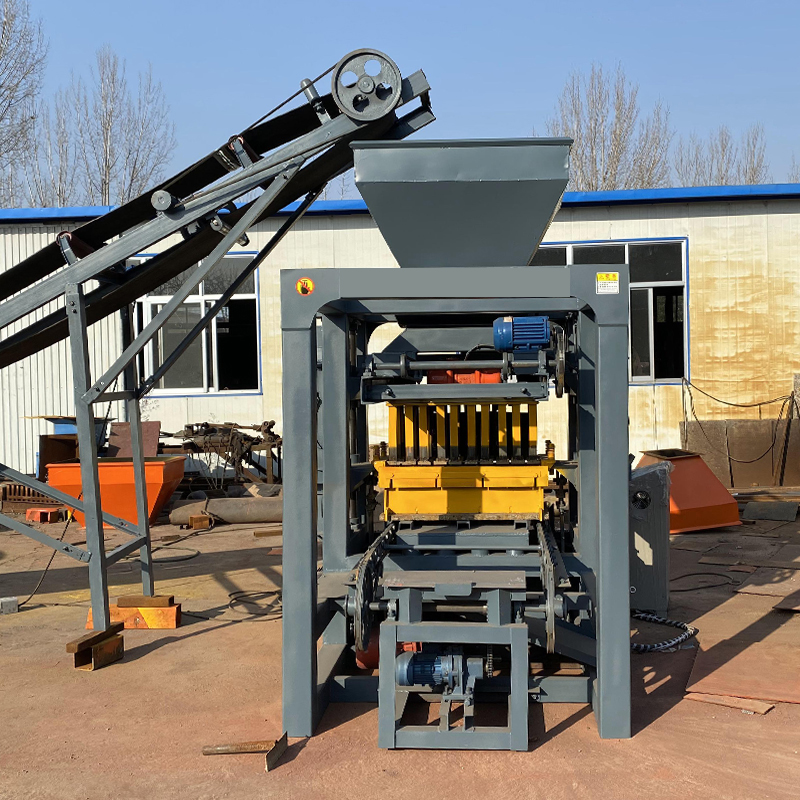
Automatic Concrete Block Maker: High-Efficiency Production Line QT6-15


| Specification | Details |
|---|---|
| Pallet Size | 900x700mm |
| Qty/mold | 6pcs 400x200x200mm |
| Host Machine Power | 31kw |
| Molding cycle | 15-25s |
| Molding method | Vibration + Hydraulic pressure |
| Host Machine Size | 4500x2600x2850mm |
| Host Machine Weight | 5000kg |
| Raw materials | Cement, crushed stones, sand, stone powder, slag, fly ash, construction waste etc. |
QT6-15's most-discussed topics include its efficient production, advanced technology, and high-quality mold. Users highlight the production cycle of 15 seconds which translates into 5,000-20,000 bricks per 8-hour shift. Thanks to the German vibration technology, the bricks have superior quality and density, which emphasizes the high production efficiency of this block maker. Moreover, with advanced welding and heat treatment methods for mold creation, the product enjoys a longer lifespan, adding greater value to the buyer's investment.
Product Features: The QT6-15 Automatic Concrete Block Maker integrates cutting-edge German technology to provide high efficiency and quality. Designed for labor savings, it produces up to 20,000 bricks in an 8-hour shift with minimal human intervention. The machine's advanced hydraulic system ensures the blocks have high density and durability, making it a preferred choice for manufacturers focused on quality and cost-effectiveness.
Product Team Introduction: Our experienced team is composed of experts with in-depth knowledge of construction engineering and manufacturing technology. Their commitment to excellence ensures that every QT6-15 Block Maker is produced to the highest standards. We continually invest in research and development to integrate the latest technological advancements, ensuring that our products not only meet but exceed industry standards.
Product production process FAQ:
- What is the production capacity per hour? The QT6-15 produces 1,080-14,400 hollow blocks per hour, depending on the block size, making it efficient for any factory.
- Which raw materials can be used for production? Cement, slag, fly ash, and construction waste are suitable, ensuring flexibility and cost-efficiency for manufacturers.
- How is the molding cycle determined? It's based on advanced vibration and hydraulic methods, with cycles ranging from 15-25 seconds for optimal high-quality output.
Image Description

Products categories
-
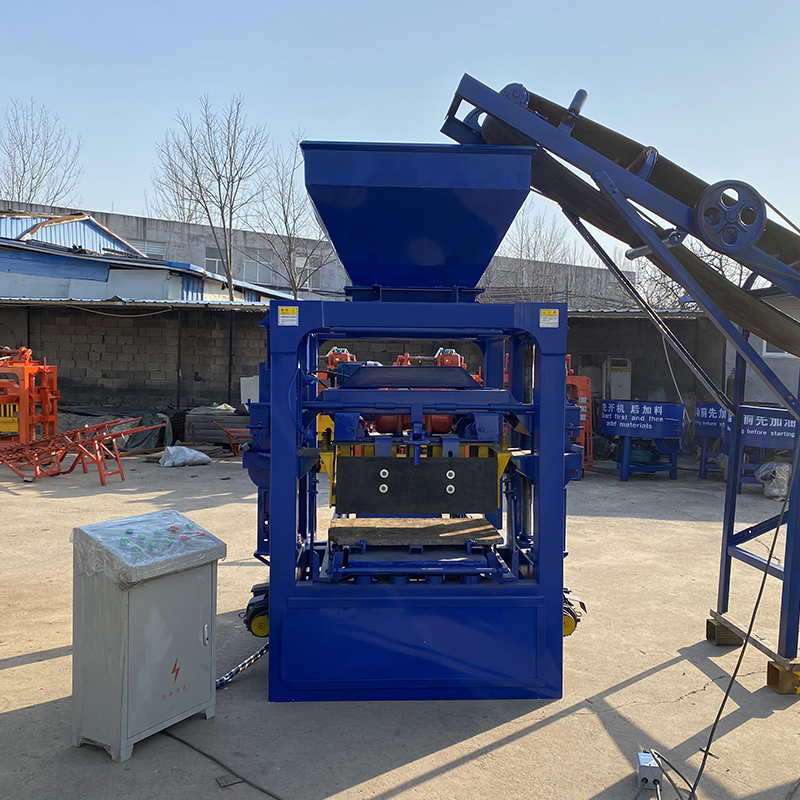
QT4-26 Semi-automatic Concrete Block Machinery for High Efficiency Production
learn more -

Concrete Block Making Machine QT4-25C - High Efficiency & Quality
learn more -
QT4-26 Semi-automatic Block Moulding Machine - High Efficiency & Quality
learn more -

QT4-26 Semi-automatic Block Machine - Similar to QT4-25 Block Maker
learn more -

Advanced Paver Block Cuber Machine with Siemens PLC Control
learn more -
QT4-26 Semi-automatic Building Block Machine for Efficient Brick Production
learn more


